Diamond Engagement Rings
 Sapphire Engagement Rings
 Emerald Engagement Rings
 Ruby Engagement Rings
 Rings
Rings
 Earrings
 Necklaces
 Brooches
 Bracelets & Bangles
 Cufflinks
 Pendants
 Chains
 Tie Pins
 Lockets
 Charms
 Signet Rings
 Seals
Seals
 Curiosities
 UK / £
 USA / $
 AU / $


 Experts since 1975

-
Your Shopping Bag is empty

 Free Worldwide Delivery
 View All
 Diamond
 Sapphire
 Emerald
 Ruby
Ruby





Andrew Grima: The Father of Modern British Jewellery
In the 1960s one jeweller made London the most exciting place in the world to buy jewellery. Andrew Grima threw out the rulebook: he cast gold from twigs and lichen, set great raw crystals where others would have used diamonds, and chose stones for their colour and shape rather than their price. He never trained as a jeweller, and it showed in the best possible way. We think he is the most important British jeweller of the twentieth century.
An unlikely beginning
Andrew Grima was born in Rome in 1921, to a Maltese father and an Italian mother, and the family moved to London when he was five. He studied engineering, served in the army during the Second World War, and had no thought of a career in jewellery. In 1946 he joined his father-in-law’s jewellery business, the H.J. Company, in the accounts department.
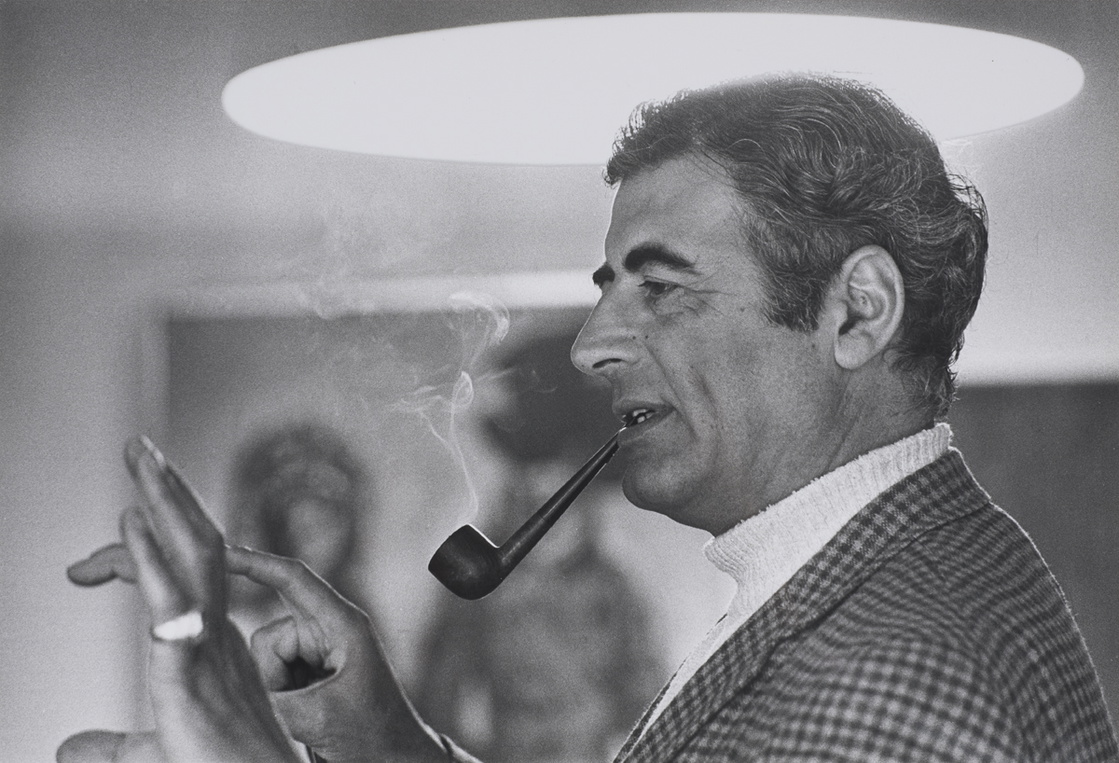
He soon found his way from the ledgers to the workshop. Teaching himself as he went, he began experimenting with unusual stones and new ways of working gold, and after his father-in-law’s death he took charge of the business. By the time of the landmark International Exhibition of Modern Jewellery at Goldsmiths’ Hall in 1961, his name was beginning to be known.
Gold from nature, stones for their beauty
Grima’s jewellery looked like nothing else in the West End. He cast gold directly from nature, from twigs, bark, lichen and seed pods, and built pieces from rough, textured gold wire. At their heart he set stones chosen for their colour, shape and character rather than their value: slabs of rutilated quartz, raw tourmaline crystals, agate slices, citrines and opals, often with a scatter of small diamonds for sparkle.
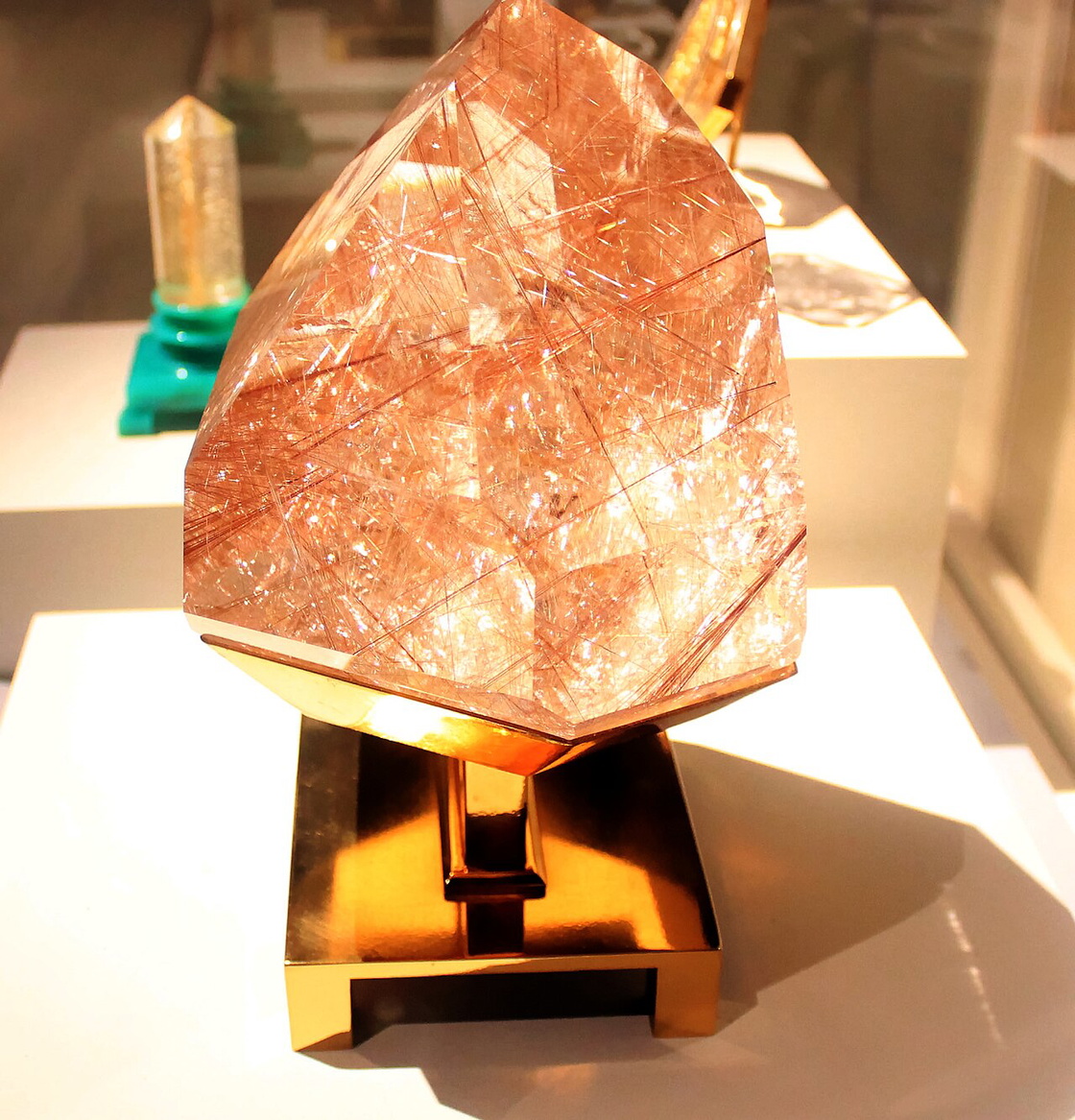
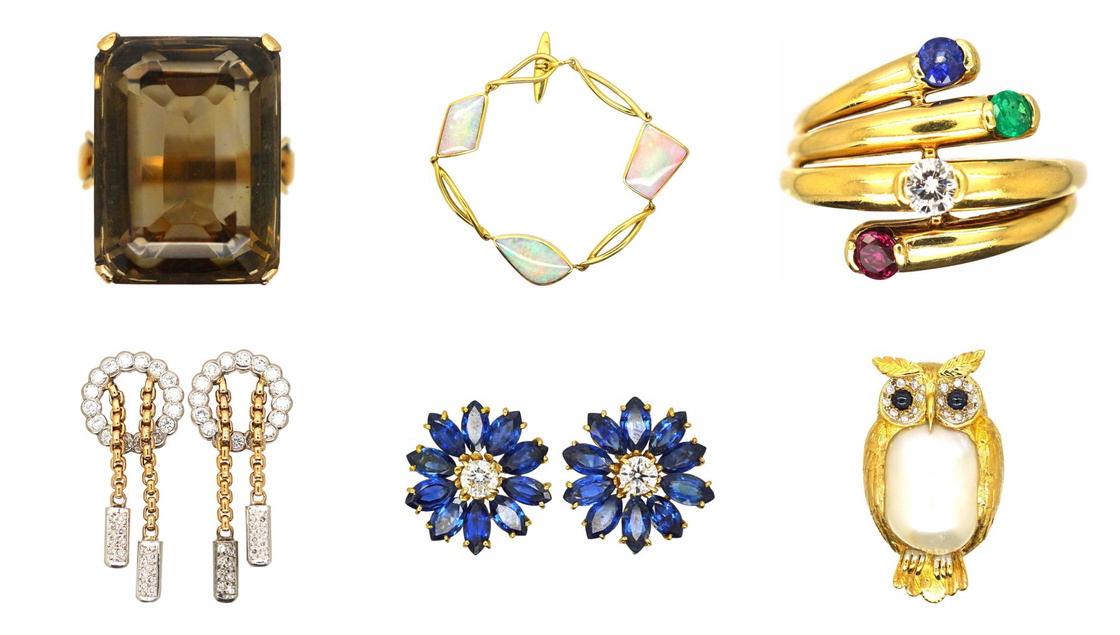
The effect was sculpture you could wear, and it fitted the new London perfectly. You can see the same spirit in this 1960s gold ring set with a large smoky quartz and this modernist gold bracelet with three opals.
Grima proved that a jewel’s worth isn’t in the carat weight. A slab of quartz in textured gold, made with that much imagination, can stop you in your tracks.
Olly Gerrish, AJC Founder
1966: a royal prize
1966 changed everything. Grima became the first and only jeweller to win the Duke of Edinburgh’s Prize for Elegant Design, and Prince Philip chose a brooch of rubies and diamonds from the winning collection as a present for the Queen, who wore it for decades. Grima received the Queen’s Award to Industry, royal commissions followed, and in time he was granted a Royal Warrant.
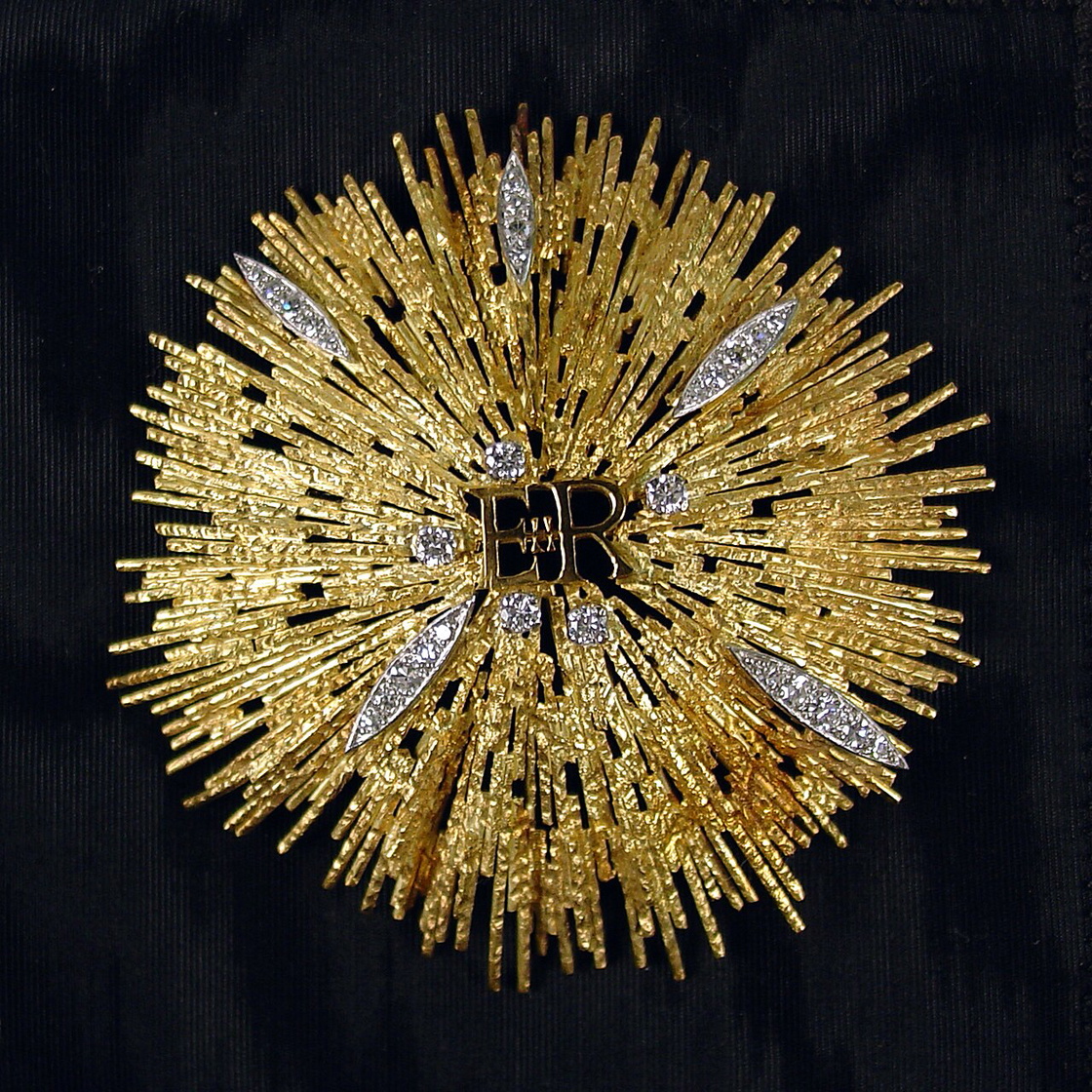
The royal family became loyal clients. Princess Margaret owned a brooch of lichen cast in gold, and when the Queen and Prince Philip made their state visit to the United States in 1976, their gift to the First Lady, Betty Ford, was a gold and diamond Grima brooch with the Queen’s initials at its centre. It is now in the Gerald R. Ford Presidential Library.
80 Jermyn Street
Also in 1966, Grima opened his own shop at 80 Jermyn Street in St James’s. It was as modern as the jewels: a dramatic slate facade, dark interiors lit like a gallery and, from 1970, a spiral staircase of clear perspex engineered by Ove Arup’s Peter Rice. Grima’s friend Lord Snowdon was an early champion, and the shop drew a remarkable clientele, from Jacqueline Kennedy Onassis to the sculptor Barbara Hepworth.
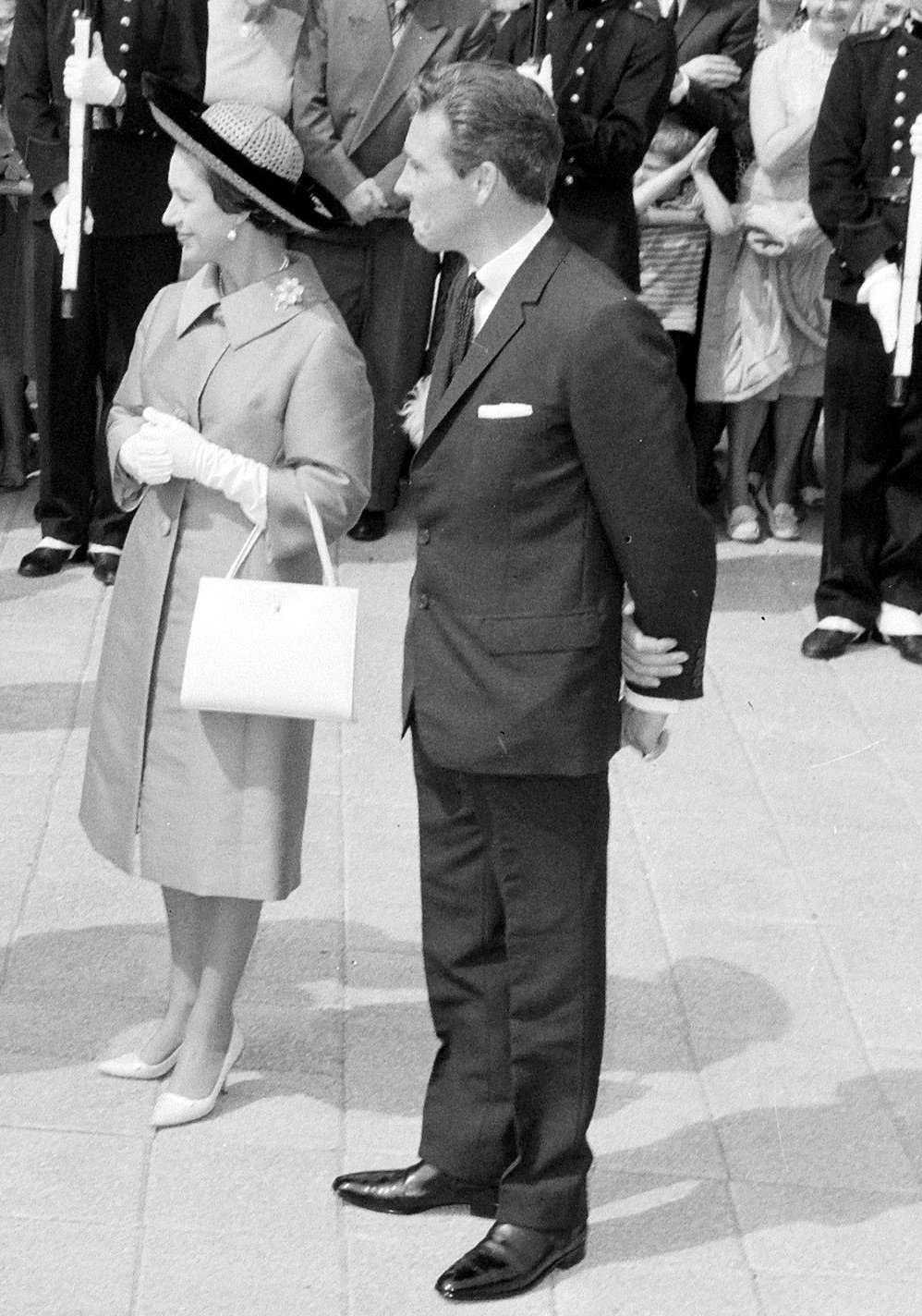
Grima also won the De Beers Diamonds International Award more times than any other jeweller, and during the 1970s he opened shops in New York, Sydney, Tokyo and Zurich.
About Time
In 1969 Omega commissioned Grima to design a collection of watches, and the result, called About Time, was one of the most daring watch collections ever made. Instead of glass, many of the dials were covered by slices of gemstone such as tourmaline, topaz or quartz, so that the time could be read through the stone, all set in Grima’s textured gold. In 1976 he designed a range of gold digital watches for Pulsar, bringing the same imagination to the newest technology of the day.
Switzerland and the later years
In 1986 Grima closed Jermyn Street and moved to Switzerland, first to Lugano and later to Gstaad, where he received clients privately and continued to design until his death in December 2007. The house continues today under his wife, Jojo, and daughter, Francesca, making a small number of pieces each year.
Every so often a Grima piece comes through our door, and the whole team gathers round. There’s nothing else like it; you can feel the energy of the sixties in your hand.
Olly Gerrish, AJC Founder
How to recognise Grima jewellery
The marks. Early pieces are marked H.J.Co for the H.J. Company, used until 1971. The GRIMA signature appears from 1965, and later pieces carry A.G. Ltd for Andrew Grima Ltd, alongside British hallmarks. Our guide to reading hallmarks explains the rest.
The gold. Heavily textured, often in wire, bark or lichen-like surfaces, and usually 18ct.
The stones. Bold, unusual and chosen for colour and shape: rutilated quartz, tourmaline, citrine, agate, opal and pearls, set with small diamonds.
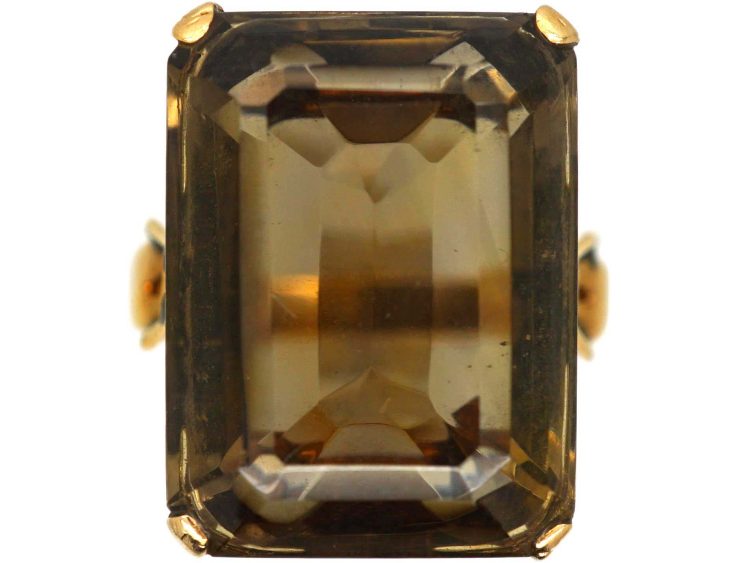
The feeling. Asymmetric, sculptural and full of movement. Grima’s work is widely imitated, so a signature and hallmarks matter.
Grima today
Grima’s jewels are in the collections of the Victoria and Albert Museum and the Goldsmiths’ Company, which holds a large group of his work, and they are sought after by collectors around the world, with fashion designers including Miuccia Prada and Marc Jacobs among his admirers. Signed pieces from the Jermyn Street years are the most prized.
If you love Grima, you will enjoy our guide to modern jewellery of the 1960s and 1970s, and bold mid-century and modern jewellery in our collection, like this modernist gold coil ring by Fred, Paris.
Grima taught a whole generation to look at jewellery differently. We still see his influence in the best modern pieces that come to the Townhouse.
Olly Gerrish, AJC Founder