Diamond Engagement Rings
 Sapphire Engagement Rings
 Emerald Engagement Rings
 Ruby Engagement Rings
 Rings
Rings
 Earrings
 Necklaces
 Brooches
 Bracelets & Bangles
 Cufflinks
 Pendants
 Chains
 Tie Pins
 Lockets
 Charms
 Signet Rings
 Seals
Seals
 Curiosities
 UK / £
 USA / $
 AU / $


 Experts since 1975

-
Your Shopping Bag is empty

 Free Worldwide Delivery
 View All
 Diamond
 Sapphire
 Emerald
 Ruby
Ruby





David Andersen: Norway’s Master of Enamel
David Andersen is Norway’s great name in jewellery, and the firm he founded is still trading in Oslo today. For us, it is above all a name for enamel: from the dragon-style silver of the 1900s to the leaf necklaces of the 1950s, some of the finest enamelled jewellery of the twentieth century was made in his workshops.
From Østre Toten to Christiania
Andersen was born in 1843 in Østre Toten, a farming district north of Oslo. As a teenager he moved to Christiania, as Oslo was then called, and trained under Jacob Tostrup, the city’s leading goldsmith. After a period working and travelling in Europe, he opened his own workshop in Christiania in 1876.
The firm of David-Andersen
The business grew quickly, and the hyphenated name David-Andersen became the firm’s hallmark. Andersen had a gift for finding talented designers and giving them room to work, and by the end of the century his was one of the most respected silversmiths in Scandinavia, known well beyond Norway.
Enamel, and the colour it brought
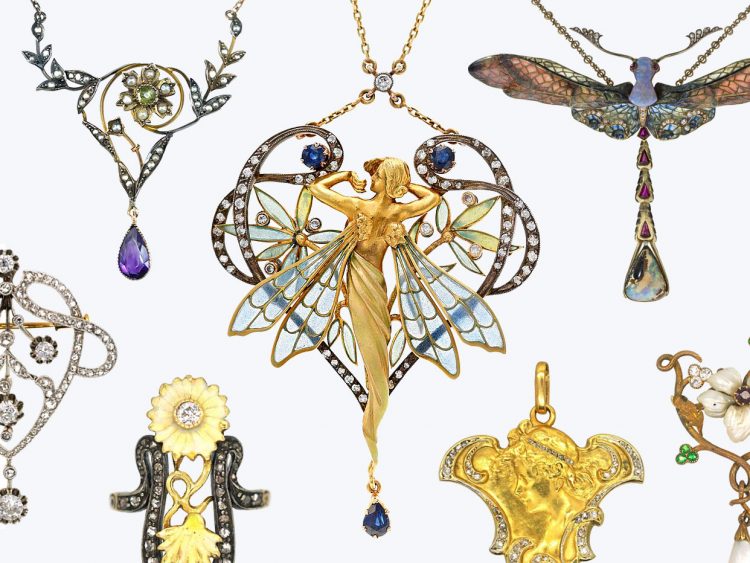
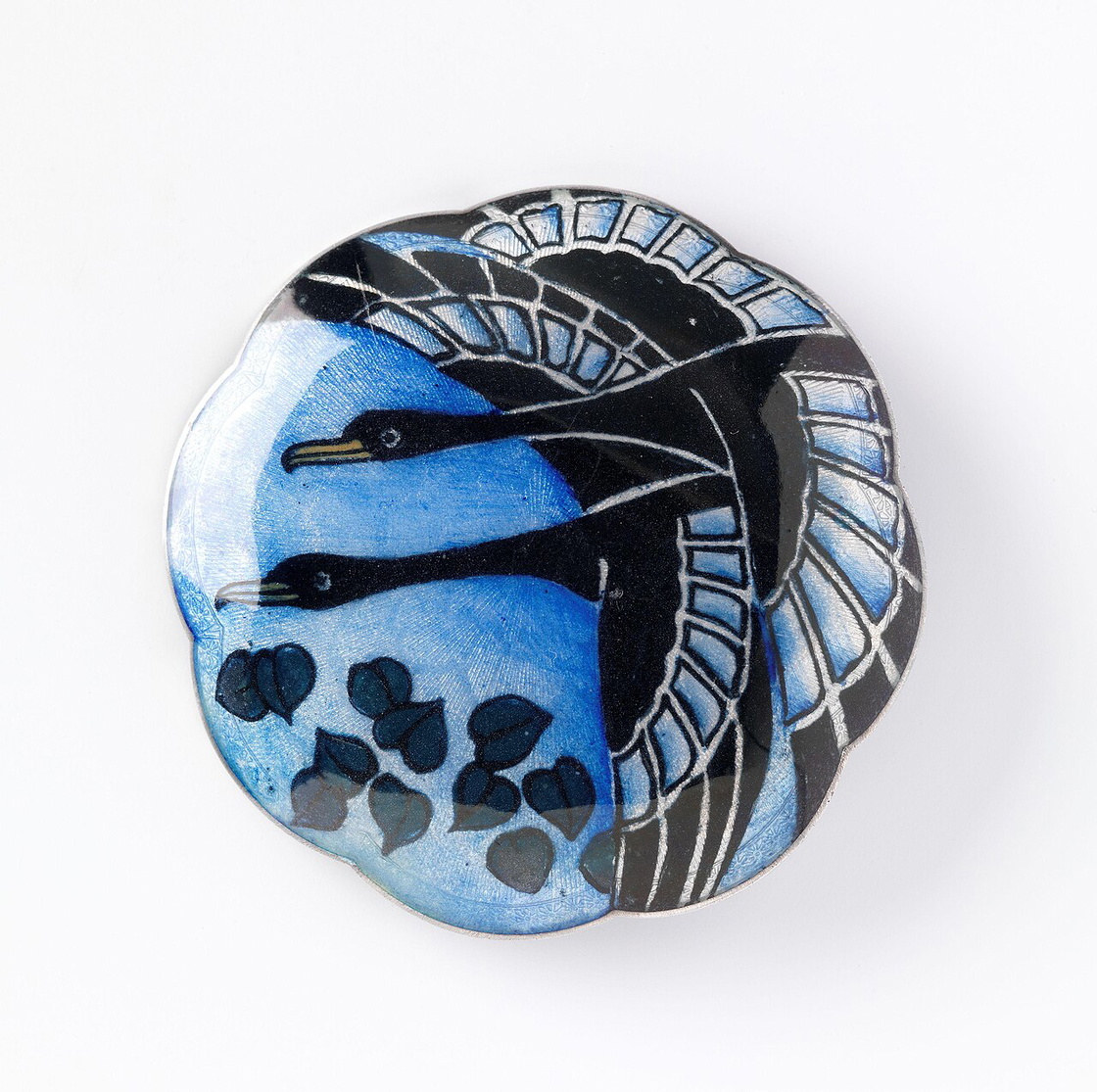
Enamel was the firm’s speciality from the start. David-Andersen mastered plique-à-jour, translucent enamel with no backing, so that light shines through it like stained glass, as well as guilloché, where translucent colour is laid over an engine-turned pattern, and painted and cloisonné work. The results are some of the most luminous pieces of their time, like this silver and enamel butterfly brooch.
Art Nouveau and the dragon style
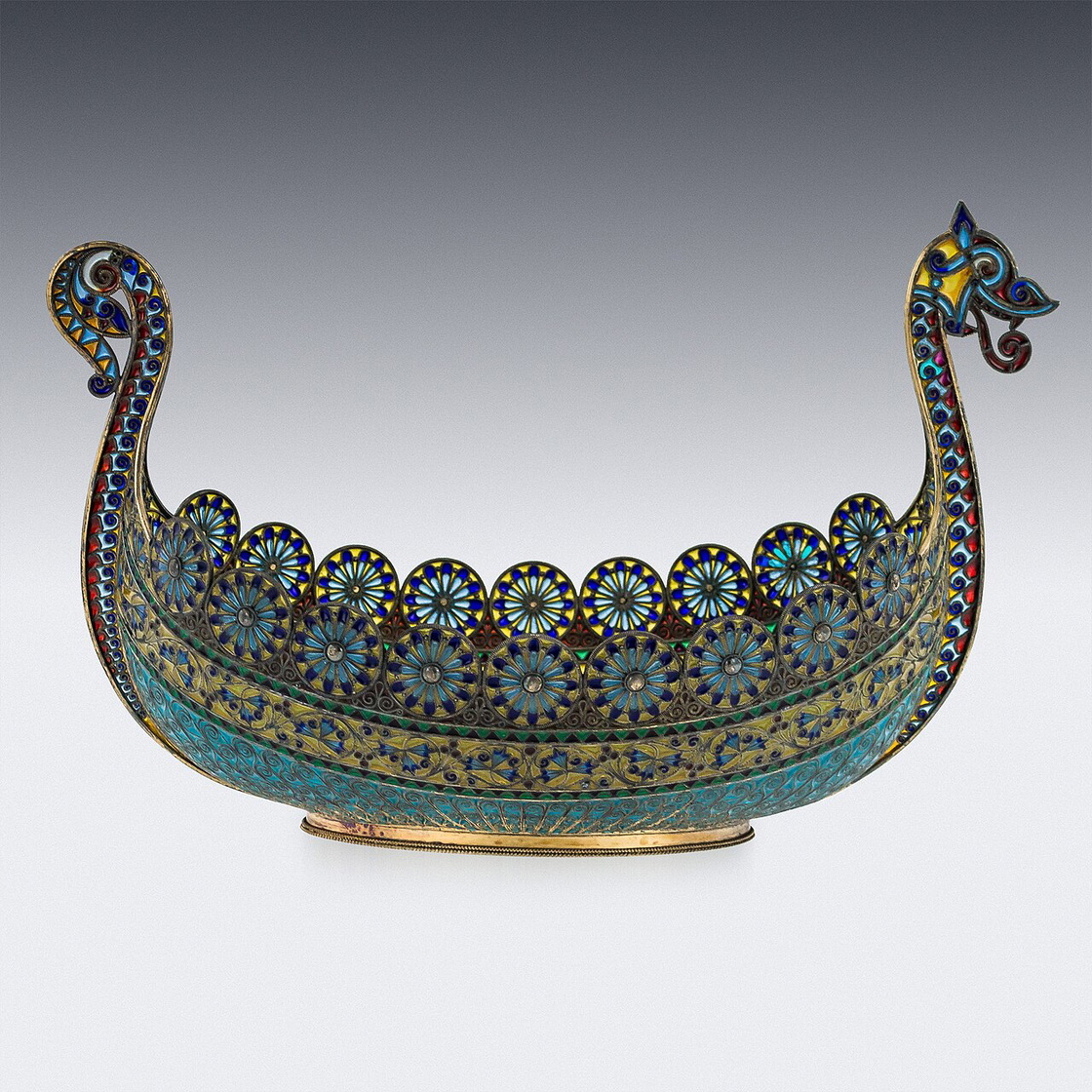
Around 1900, Norway developed its own version of Art Nouveau, the dragestil or dragon style, drawing on Viking and medieval Norse ornament. David-Andersen was at its heart. The firm’s leading enamel designer in those years, Gustav Gaudernack, created dragonflies, flowers and interlaced forms that rank with anything made in Paris.
Willy Winnaess’s enamel leaves are the pieces I can never resist buying. The colour is perfect, the enamel is flawless, and they look as modern today as they did in the fifties.
Olly Gerrish, AJC Founder
A family affair: the next generations
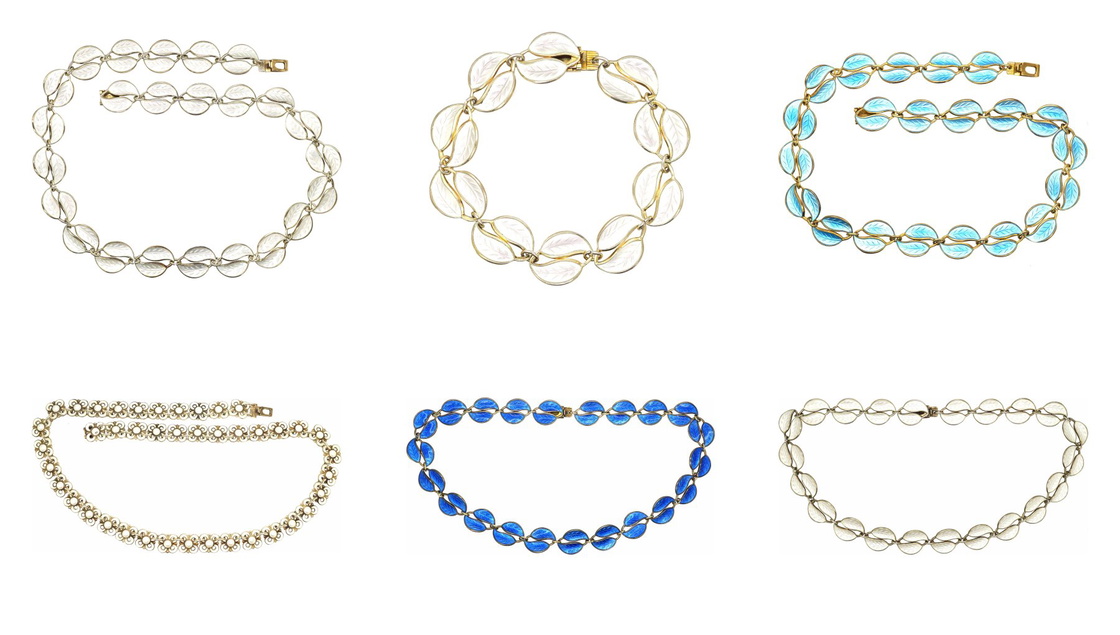
David Andersen died in 1901, and his son Arthur took the firm on, followed in turn by later generations of the family. In the 1950s the designer Willy Winnaess created the enamel leaf jewellery that is now the firm’s best-known work: simple, overlapping leaves in white, blue or black enamel on silver or silver gilt. In the 1960s Uni David-Andersen brought a modernist eye to the firm’s silver.
What we look for
The marks. Pieces are usually marked “David-Andersen” or “D-A”, often with “Norway” and a silver standard such as 925S or Sterling.
The enamel. Enamel cannot be convincingly repaired, so condition matters more than anything. We look for chips, cracks and crazing, particularly at the edges of leaves and on plique-à-jour.
The designer. Pieces by known designers, above all Gaudernack and Winnaess, are the most sought after.
The legacy lives on
More than 140 years after it was founded, David-Andersen still has its shop on Karl Johans gate in Oslo, and its mid-century enamel jewellery has never really gone out of fashion.
Our view
The Winnaess leaf pieces are, in our view, among the most wearable vintage jewels there are: light, colourful and instantly recognisable, and still very fairly priced for their quality. If you are starting out, a necklace or bracelet in white or pale blue enamel is the classic choice. See our enamel jewellery for more.
Explore the collection
- Enamel jewellery
- Mid-century jewellery
- Art Nouveau jewellery
- Antique necklaces
- Antique bracelets & bangles