Diamond Engagement Rings
 Sapphire Engagement Rings
 Emerald Engagement Rings
 Ruby Engagement Rings
 Rings
Rings
 Earrings
 Necklaces
 Brooches
 Bracelets & Bangles
 Cufflinks
 Pendants
 Chains
 Tie Pins
 Lockets
 Charms
 Signet Rings
 Seals
Seals
 Curiosities
 UK / £
 USA / $
 AU / $


 Experts since 1975

-
Your Shopping Bag is empty

 Free Worldwide Delivery
 View All
 Diamond
 Sapphire
 Emerald
 Ruby
Ruby


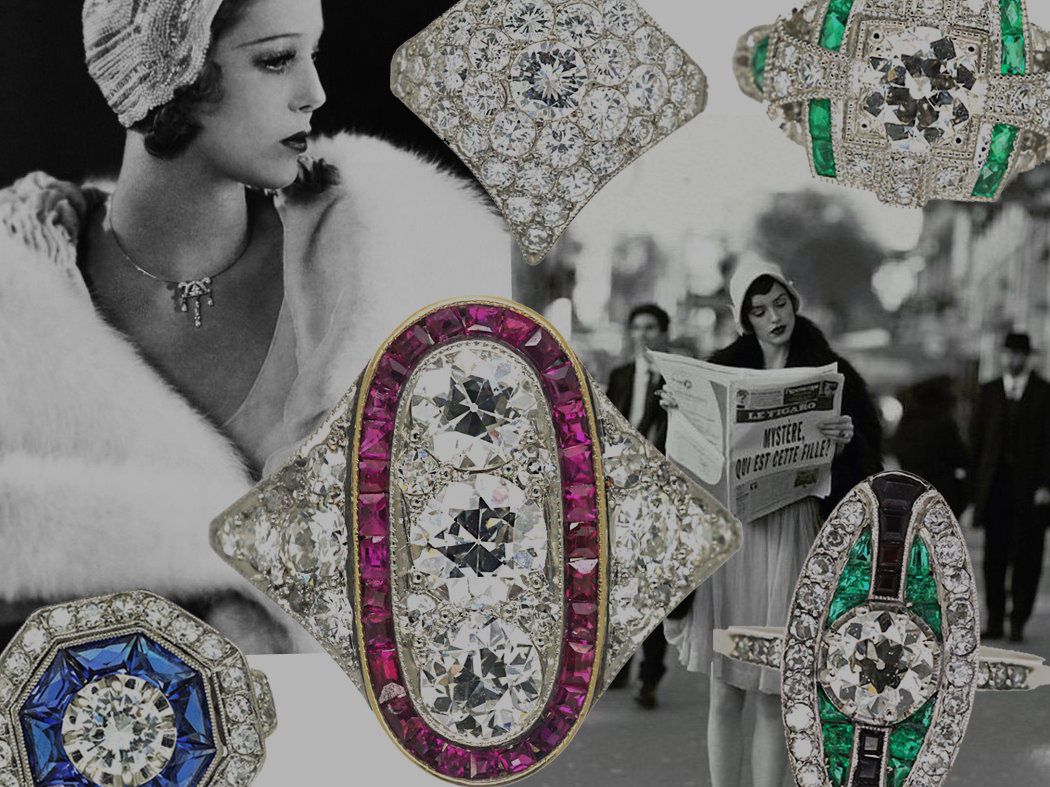



René Boivin: A Celebration of a Great Paris Jeweller
Some jewellers are famous for their diamonds. René Boivin is famous for its ideas. For almost a century the Paris house made jewels that looked like nobody else’s: sculptural gold, great carved crystals, starfish that move on the wearer’s shoulder. It is a house we admire enormously, and this is our small celebration of it.
René Boivin and the Paris workshop
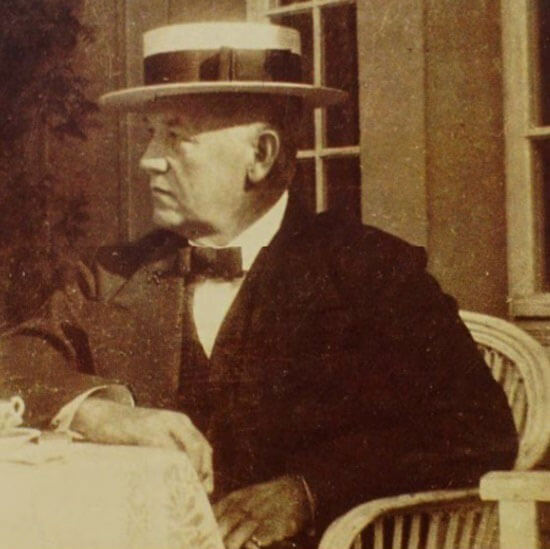
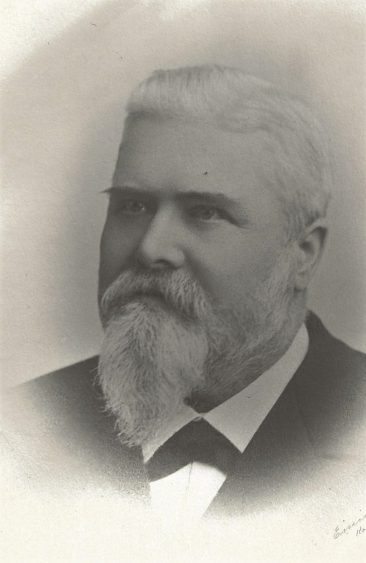
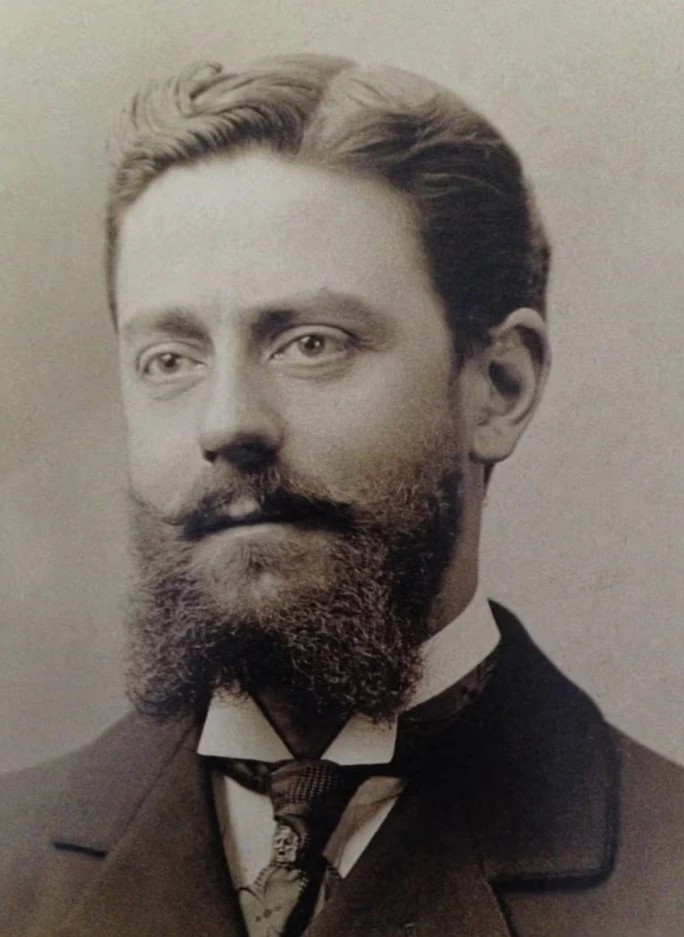
René Boivin was born in Paris in 1864 and trained as a goldsmith and engraver. In the early 1890s he set up his own workshop, and for years much of his work was made for other Paris jewellers as well as under his own name. He was a craftsman first, and the house never lost that: Boivin jewels are as beautifully made on the back as on the front.
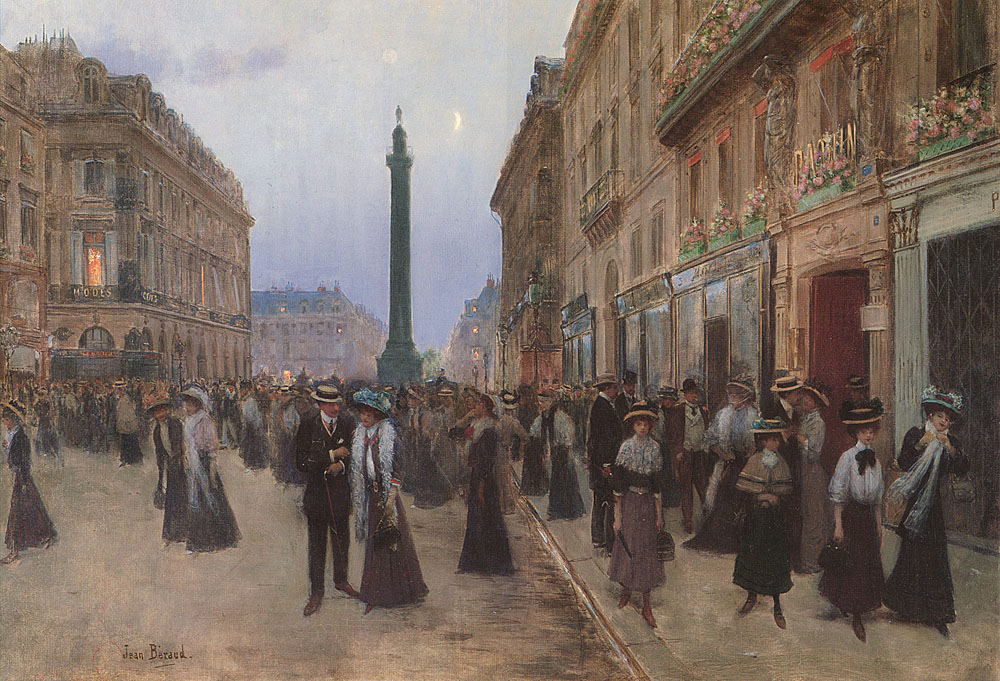
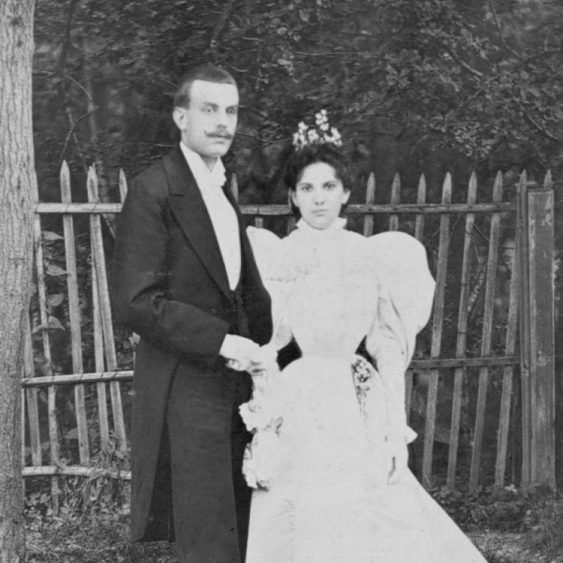
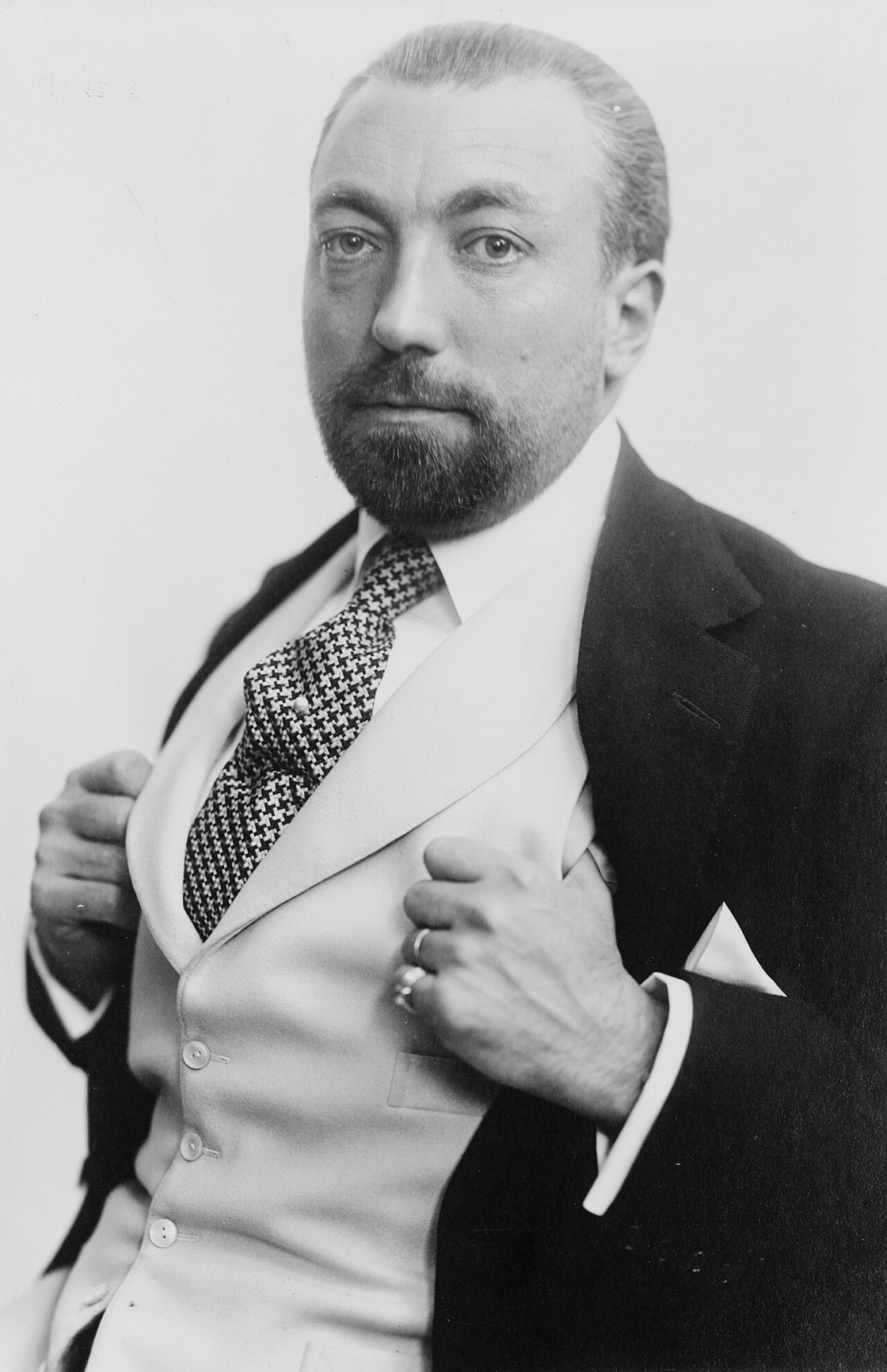
In 1893 he married Jeanne Poiret. Her younger brother was Paul Poiret, who would become the most daring couturier in Paris, the man who freed women from the corset. The two families moved in the same artistic world, and the boldness of Poiret’s fashion runs right through the jewels the Boivins went on to make.
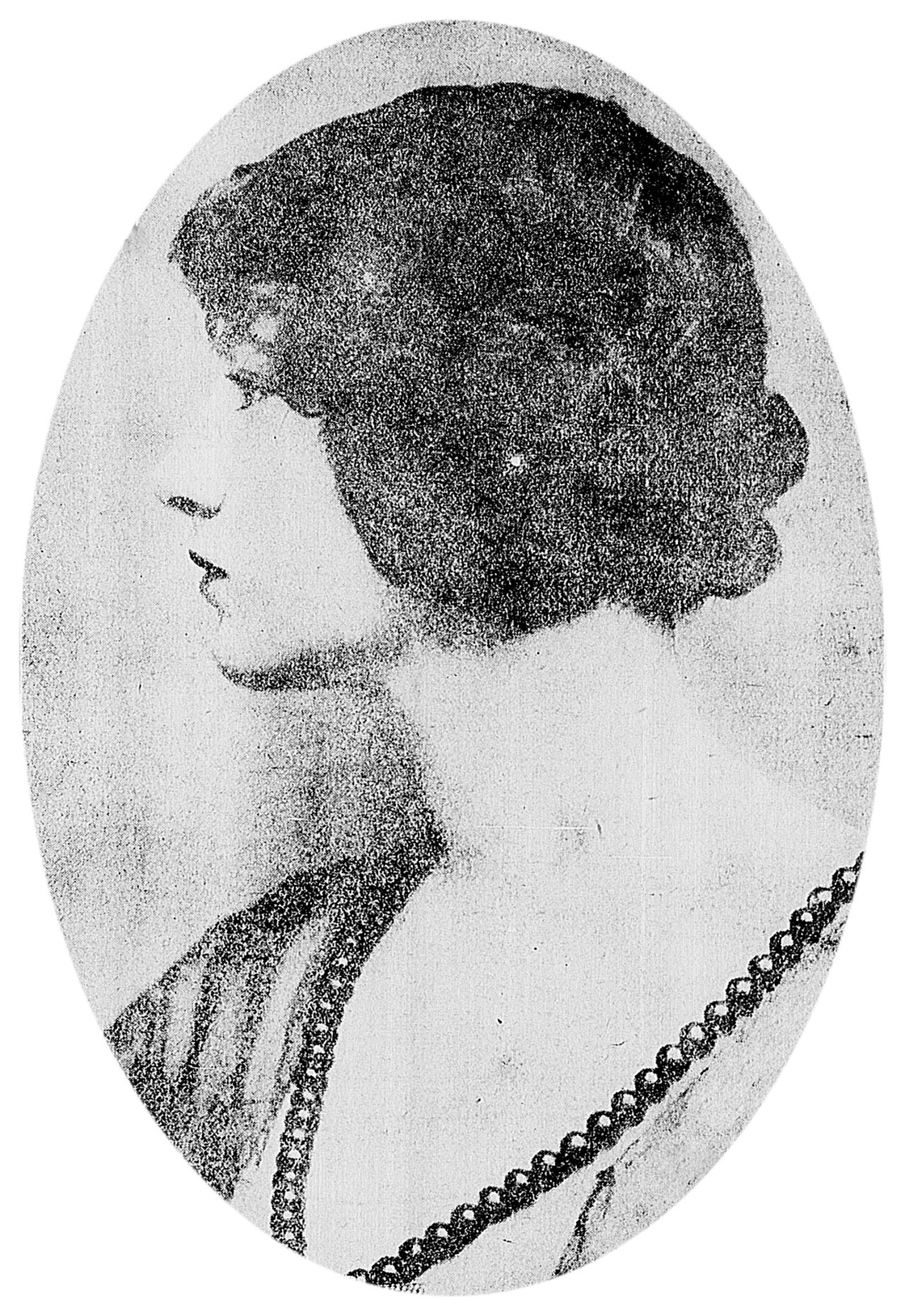
Madame René Boivin
René Boivin died in 1917, at the age of fifty-three. Most people expected the business to close. Instead Jeanne took it over and ran it for more than forty years, keeping her husband’s name over the door and becoming known simply as Madame René Boivin. She was, in effect, one of the first great women to lead a French jewellery house, and she did it on her own terms: working for private clients who came looking for something they could not find anywhere else.
What moves me about Boivin is that it was women who made it great. Jeanne kept her husband’s name over the door, then built something completely her own.
Olly Gerrish, AJC Founder
Three remarkable designers
Suzanne Belperron. Jeanne’s first great decision was to take on a young designer fresh from art school, Suzanne Vuillerme, later Suzanne Belperron. She became co-director in 1924, and her taste for smooth, sculptural gold and big semi-precious stones shaped the house through the 1920s. She left in 1932 to work under her own name, and famously never signed her pieces, saying her style was her signature.
Juliette Moutard. In 1933 Jeanne hired Juliette Moutard, who had worked for the Paris watch and jewellery makers Verger Frères. She stayed until 1970, and designed many of the jewels now most associated with the house, including its famous starfish brooches, with their jointed arms that move as the wearer does, and brooches in the form of birds’ wings set with rows of tiny sapphires.
Germaine Boivin. René and Jeanne’s daughter joined the house as a designer in 1938, having worked for her uncle Paul Poiret, and ran it after her mother’s death in 1959.
The Boivin look
Boivin jewellery is easy to recognise and very hard to copy. The house loved materials other jewellers thought too humble for serious jewels: rock crystal, citrine, amethyst and moonstone, carved and polished into big, confident shapes, set off with diamonds rather than overwhelmed by them. Nature was everywhere: flowers, shells, fish, birds and, above all, the sea. And the gold itself was sculpted, with wide cuffs and bracelets that feel almost architectural on the wrist.
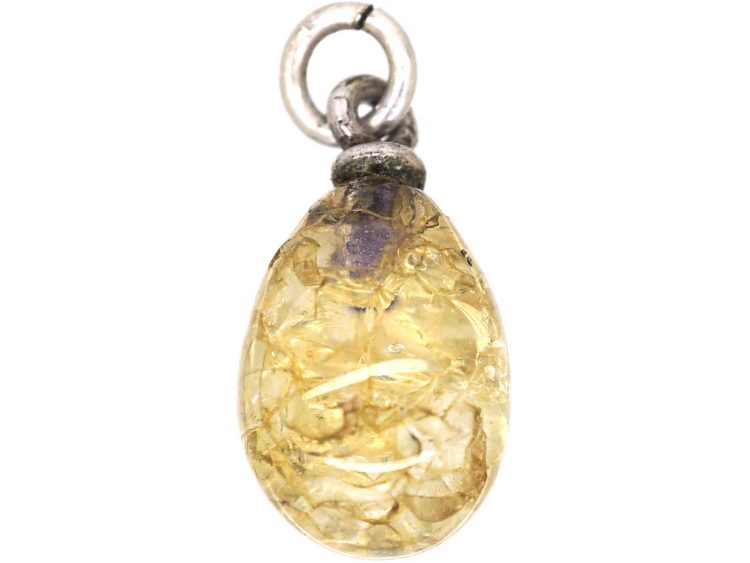
What unites it all is movement. Jeanne Boivin wanted jewels that lived with the wearer, and her designers made starfish that flex, flowers that tremble and bracelets that follow the curve of the arm.
Boivin is the house I’d point to if someone asked me what great design looks like. Nothing is showy for the sake of it, and yet you’d know a Boivin piece across a room.
Olly Gerrish, AJC Founder
The clients
Boivin’s clients were people with confident, individual taste. The best known is the American heiress and collector Millicent Rogers, one of the great style figures of the twentieth century, who was famously photographed wearing a Boivin starfish.
After Jeanne
Jeanne Boivin died in 1959. Germaine and Juliette Moutard carried the house on, and in the 1970s it passed to Jacques Bernard, who had worked alongside them. In the early 1990s the name was bought by Asprey. Original Boivin jewels from the 1920s to the 1950s now appear only rarely, and are among the most sought-after signed jewels of the century.
Why we love Boivin
For us Boivin represents everything we value in jewellery: real craftsmanship, a strong point of view, and the courage to use unexpected materials beautifully. It also reminds us that great design doesn’t depend on the size of the diamond. A carved citrine or a well-made gold cuff, designed with conviction, can be every bit as thrilling.
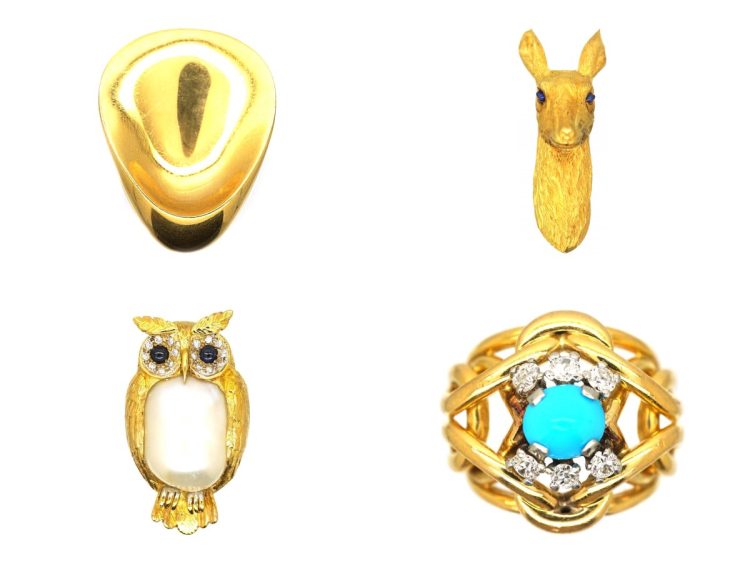
We rarely have a signed Boivin piece, but we do love jewellery made in the same spirit: bold mid-century gold, big coloured stones and sculptural animals, like this 1960s gold deer’s head brooch by George Lenfant for Hermès or this 1970s gold owl brooch with a baroque pearl.
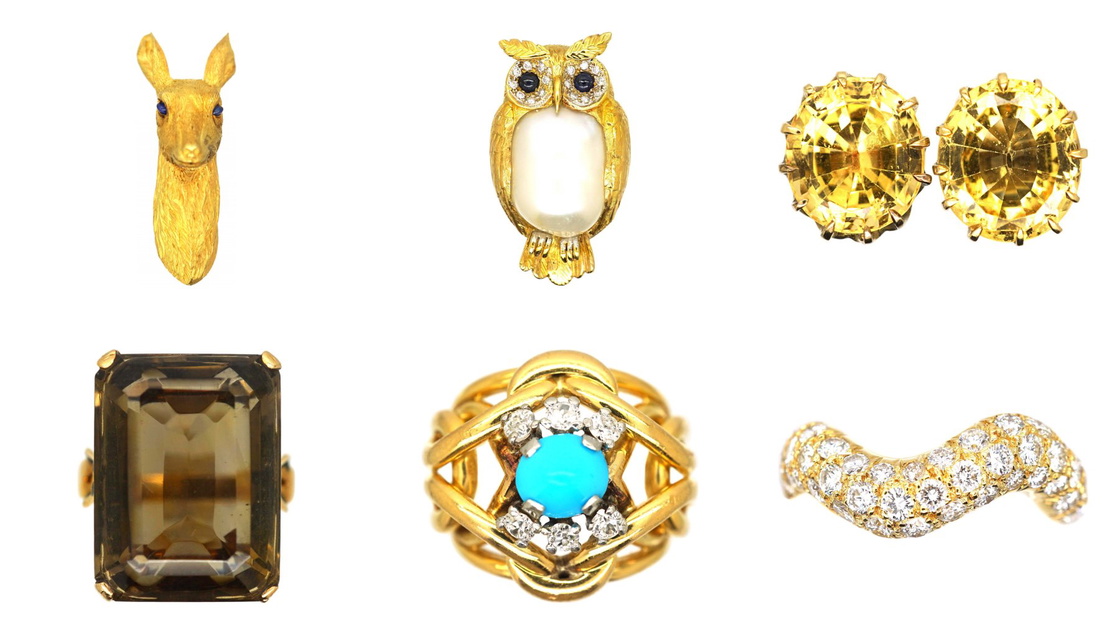
You can’t buy a Boivin starfish every day, but you can buy jewellery made with the same courage: big gold, bold stones and a sense of humour.
Olly Gerrish, AJC Founder
If you share our admiration for Boivin, read about the other great Paris houses, Cartier, Van Cleef & Arpels, Chaumet and Boucheron, and our guide to Art Deco jewellery.
Explore the collection
- Art Deco jewellery
- Mid-century jewellery
- Antique brooches
- Citrine jewellery
- Rock crystal jewellery
- Antique bracelets & bangles