Diamond Engagement Rings
 Sapphire Engagement Rings
 Emerald Engagement Rings
 Ruby Engagement Rings
 Rings
Rings
 Earrings
 Necklaces
 Brooches
 Bracelets & Bangles
 Cufflinks
 Pendants
 Chains
 Tie Pins
 Lockets
 Charms
 Signet Rings
 Seals
Seals
 Curiosities
 UK / £
 USA / $
 AU / $


 Experts since 1975

-
Your Shopping Bag is empty

 Free Worldwide Delivery
 View All
 Diamond
 Sapphire
 Emerald
 Ruby
Ruby





Georges Lenfant: The Master Goldsmith Behind the Great Paris Houses
Georges Lenfant is not a name most people know, but his work has been worn by generations who never knew it was his. For much of the twentieth century his Paris workshop made jewels for the greatest houses of the Place Vendôme, and the gold chain, bracelets and brooches it produced are some of the finest of their time. We think he deserves to be much better known.
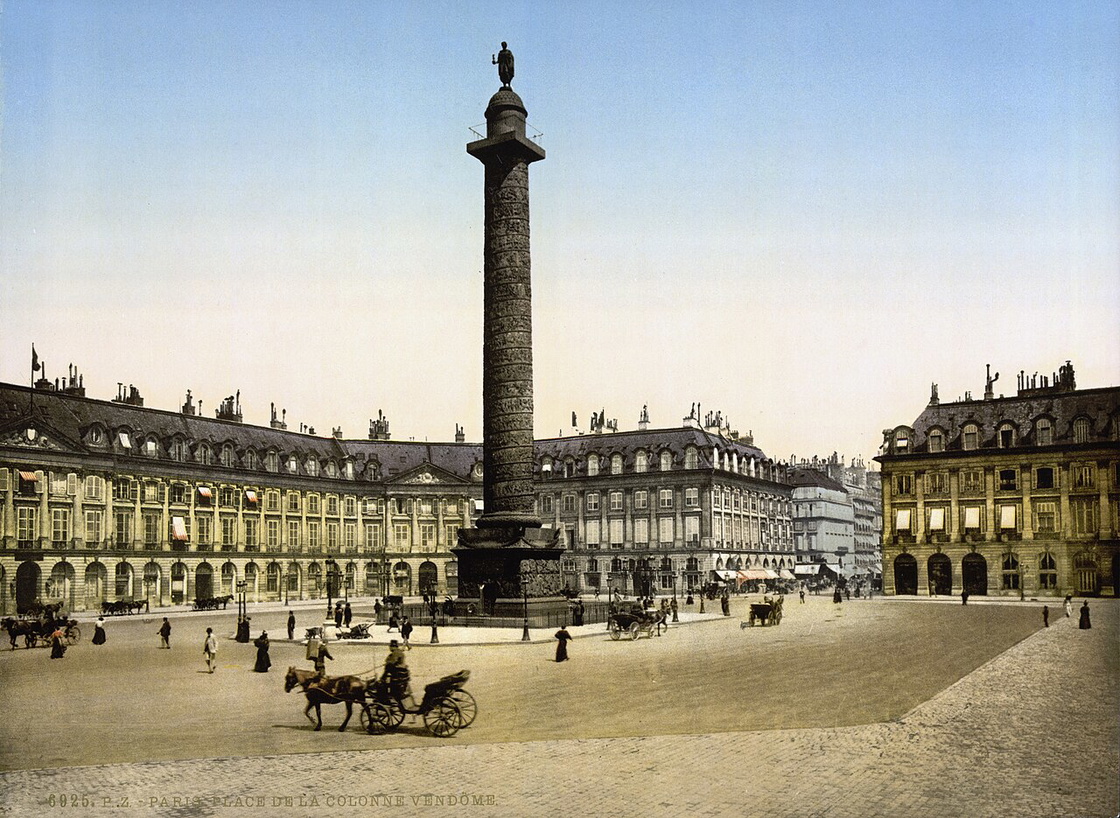
A workshop near the Place Vendôme
Georges Lenfant was born into the jewellery trade and served his apprenticeships in Paris and abroad. Around 1900 he set up a workshop at 47 rue des Petits-Champs, a few minutes’ walk from the Place Vendôme and the Rue de la Paix, where the great houses had their shops. At first it traded as Duparc et L’Enfant; from 1909 Georges ran it alone and registered his own maker’s mark.
The hands behind the great names
Paris jewellery has always depended on specialist workshops. The famous houses designed and sold; workshops like Lenfant’s made. Over the years his craftsmen produced pieces for Cartier, Van Cleef & Arpels, Boucheron, Mellerio, Tiffany, Lacloche Frères and René Boivin, among others. The retailer’s name went on the jewel, but Lenfant’s mark, his initials in the lozenge-shaped punch used for French makers’ marks, very often went on too. It is how collectors recognise his work today, and a Lenfant mark beside a great house’s signature is a sign of real quality.
Turn over a great French jewel from the thirties and look for the maker’s mark. Very often you’ll find Lenfant there, quietly doing the work behind a famous name.
Olly Gerrish, AJC Founder
Jacques Lenfant and the art of the chain
Georges’s son Jacques joined the workshop in 1915, aged just eleven, and grew up at the bench. He became fascinated by chain: how links are shaped, joined and textured, and how gold can be woven into mesh so supple it moves like fabric. Under Jacques the workshop became the master of French gold chain, alternating polished and textured links and inventing intricate constructions of its own. After the Second World War he took over the business, and he kept his father’s mark.
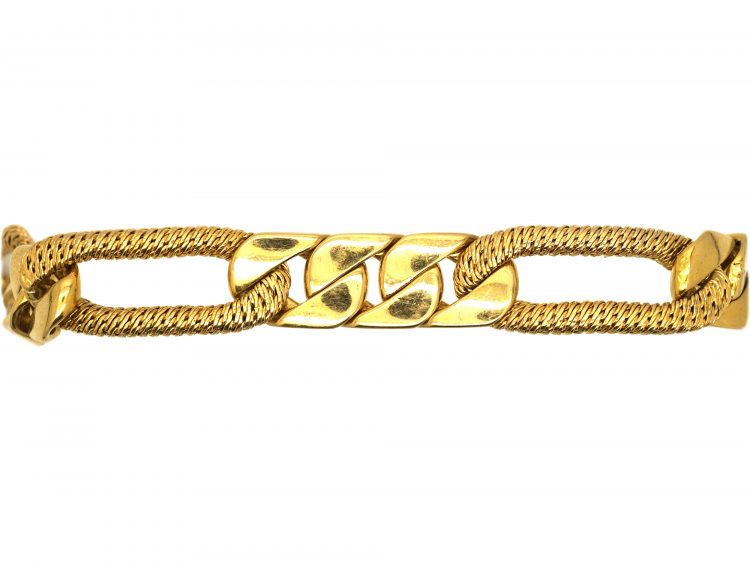
You can see that mastery in this 18ct gold bracelet by Lenfant in our collection: every link made and finished by hand.
Art Deco and the Sandoz years
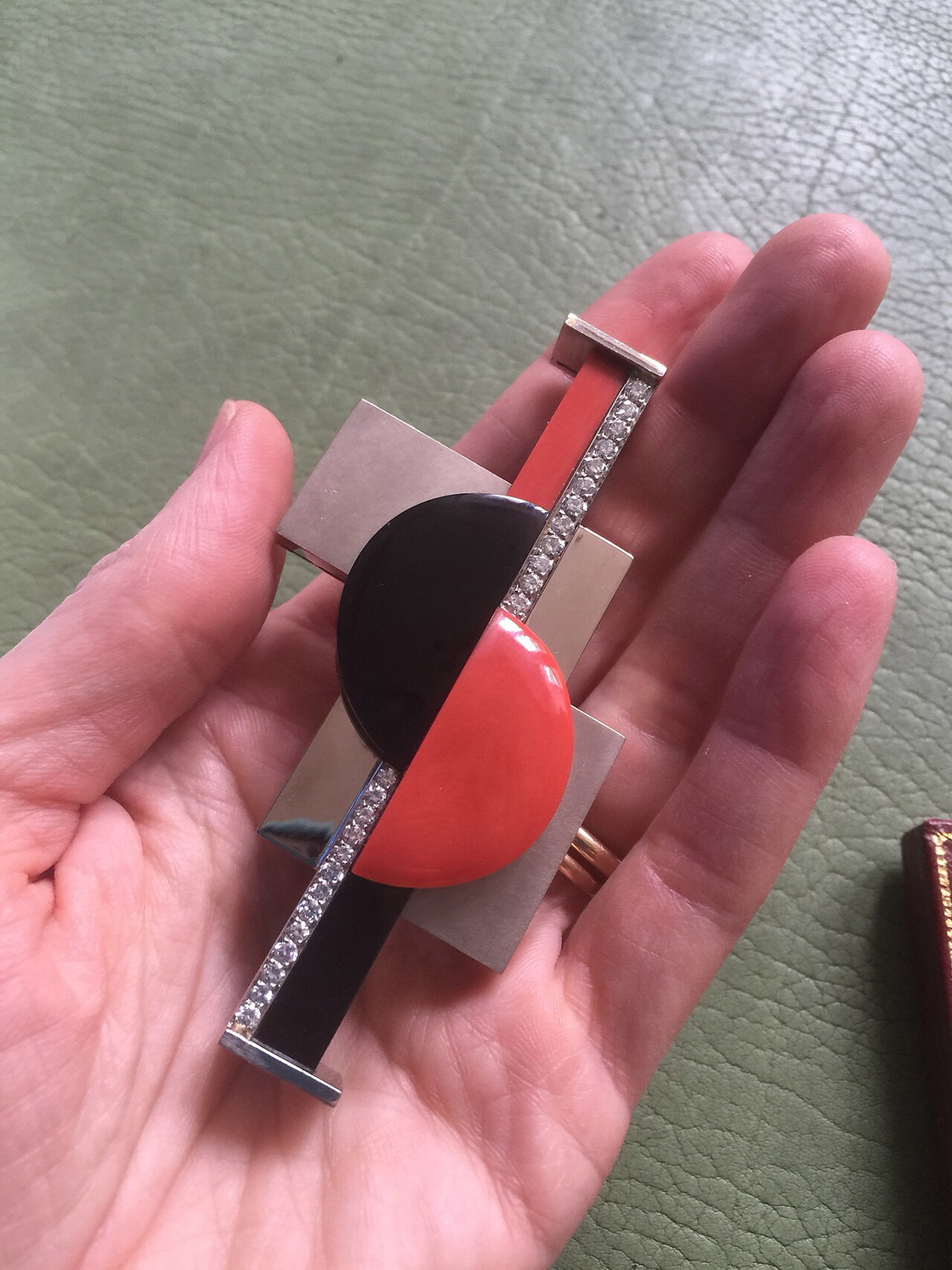
In 1927 the workshop took over the business of the goldsmith Gustave-Roger Sandoz, whose son Gérard Sandoz was one of the boldest designers of the Art Deco period. Together they produced strikingly modern jewellery: geometric, graphic, often using lacquer, onyx and polished metal in the manner of the avant-garde.
Verger Frères and the post-war years
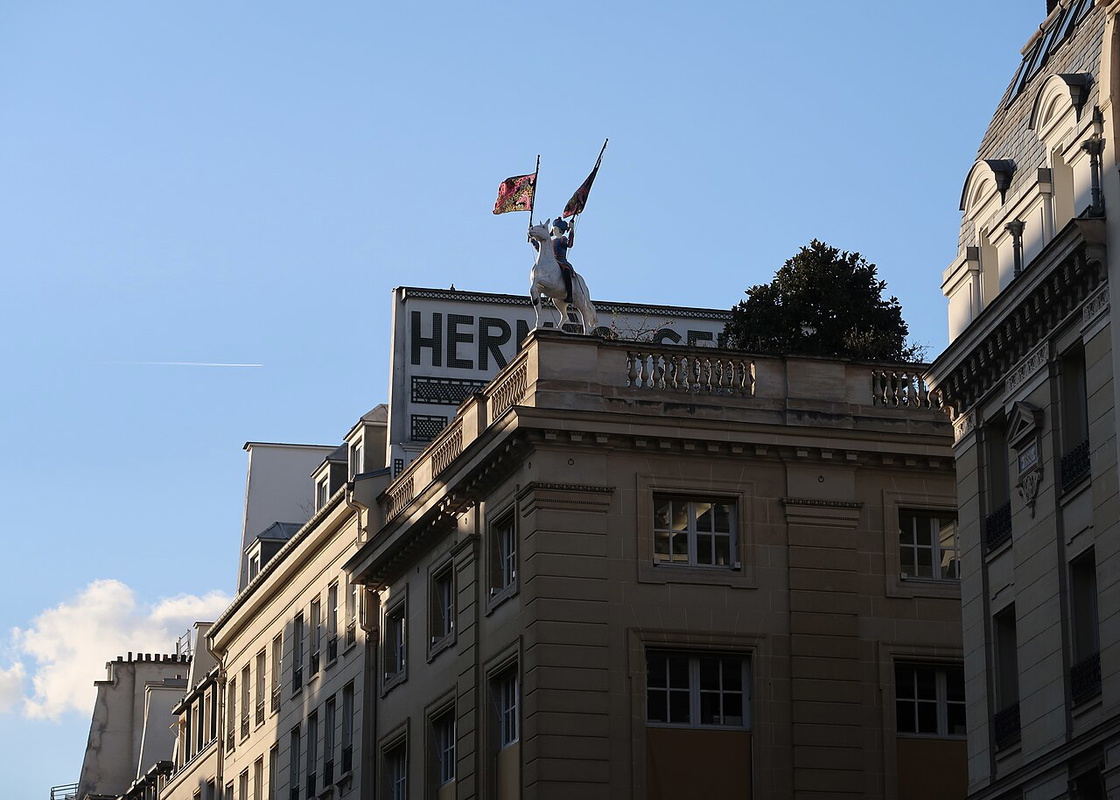
After the war the Lenfant workshop also took over Verger Frères, the celebrated maker founded in 1872 and best known for its superb Art Deco jewels and objects. Through the 1950s and 1960s, the workshop’s gold became bolder and more sculptural, and its partnership with Hermès produced some of its best-loved pieces: gold chain and bracelets, including anchor-chain designs inspired by the sea, playful animal brooches, and watches made in collaboration with Vacheron Constantin.
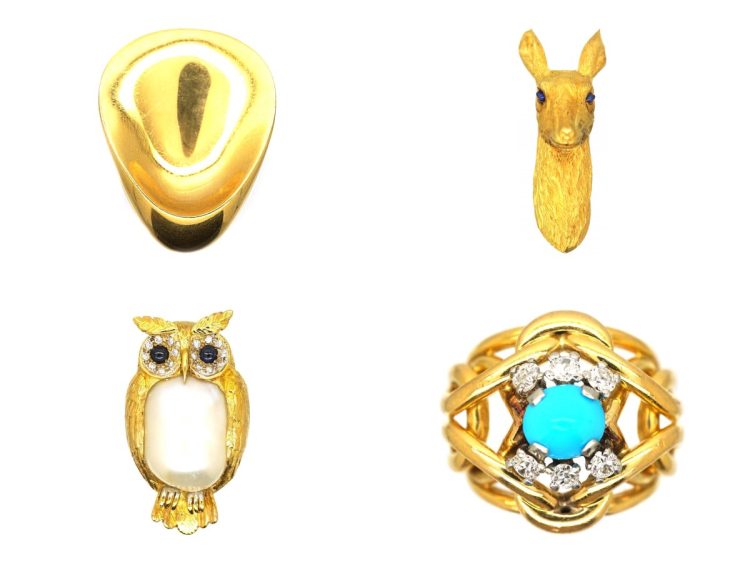
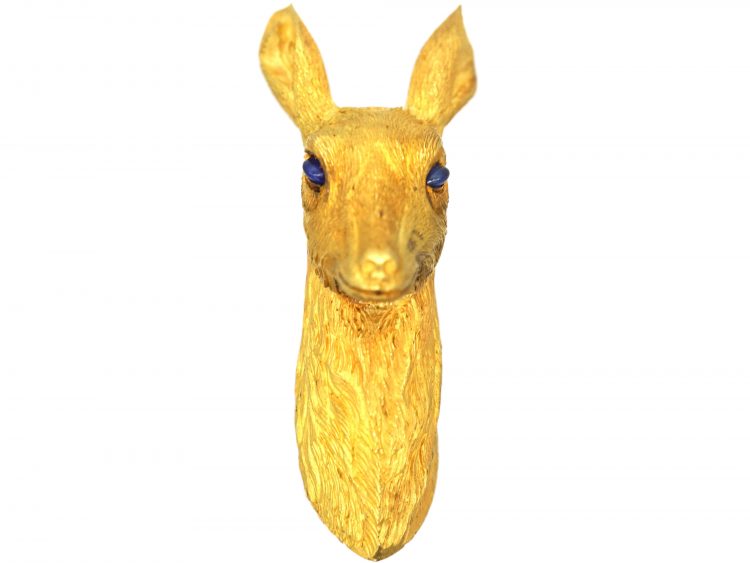
One of our favourite pieces in the Townhouse is this 1960s gold deer’s head brooch by Lenfant for Hermès: witty, beautifully modelled and made with complete assurance.
Nobody made gold chain like the Lenfants. Pick one up and it pours through your fingers like silk.
Olly Gerrish, AJC Founder
How to recognise Lenfant’s work
The mark. Look for Lenfant’s maker’s mark alongside French gold marks, often beside a retailer’s signature such as Hermès, Cartier or Van Cleef & Arpels. Our guide to reading hallmarks explains how maker’s marks work.
The gold. Heavy, even and superbly finished, with crisp contrasts between polished and textured surfaces.
The construction. Chains and bracelets that are supple, perfectly articulated and beautifully finished on every link, including the ones you cannot see.
The legacy
The workshop continued well into the late twentieth century, and today Lenfant pieces, especially signed Hermès and Cartier gold of the 1950s to the 1970s, are keenly sought by collectors. They are the kind of jewels that reward a closer look: made by people who cared about every detail, whoever’s name was on the box.
Our view
We admire Lenfant because his work represents the best of French craftsmanship: generous gold, faultless finishing and quiet confidence. If you love fine gold jewellery, the pieces in our collection made in the same tradition, French gold chains, bracelets and earrings, are well worth a look.
The Hermès deer’s head is one of my favourite things in the Townhouse. It’s witty, it’s beautifully made, and it’s pure Lenfant.
Olly Gerrish, AJC Founder
Read more about the great Paris houses Lenfant worked for, Cartier, Van Cleef & Arpels and Boucheron, and about René Boivin.
Explore the collection
- Antique chains
- Antique bracelets & bangles
- Mid-century jewellery
- Art Deco jewellery
- Antique brooches
- Men's jewellery