Diamond Engagement Rings
 Sapphire Engagement Rings
 Emerald Engagement Rings
 Ruby Engagement Rings
 Rings
Rings
 Earrings
 Necklaces
 Brooches
 Bracelets & Bangles
 Cufflinks
 Pendants
 Chains
 Tie Pins
 Lockets
 Charms
 Signet Rings
 Seals
Seals
 Curiosities
 UK / £
 USA / $
 AU / $


 Experts since 1975

-
Your Shopping Bag is empty

 Free Worldwide Delivery
 View All
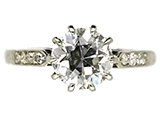 Diamond
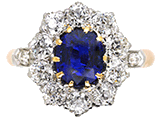 Sapphire
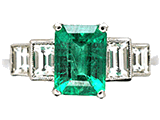 Emerald
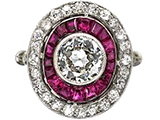 Ruby
Ruby





Buccellati: The Prince of Goldsmiths
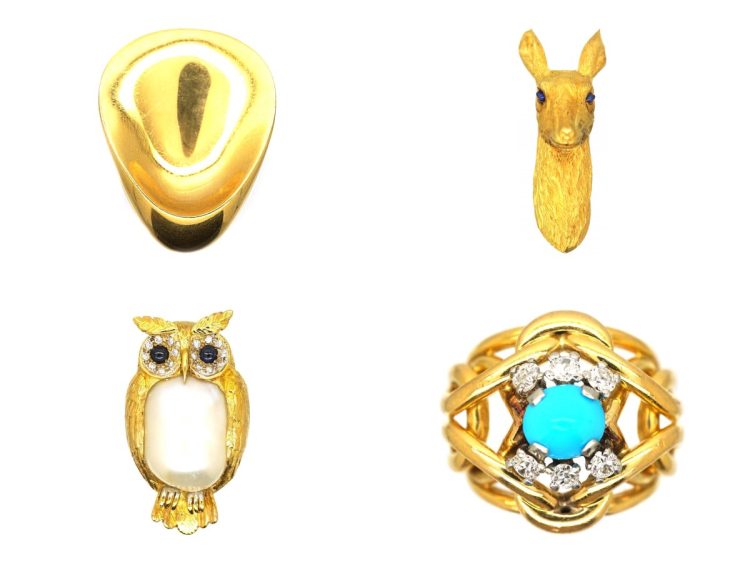
Buccellati jewellery looks like lace or silk made of gold. The Milanese house has been engraving gold by hand in the same ways for more than a century, and its pieces are instantly recognisable: soft, textured and unlike anything else.
Mario Buccellati and his workshop
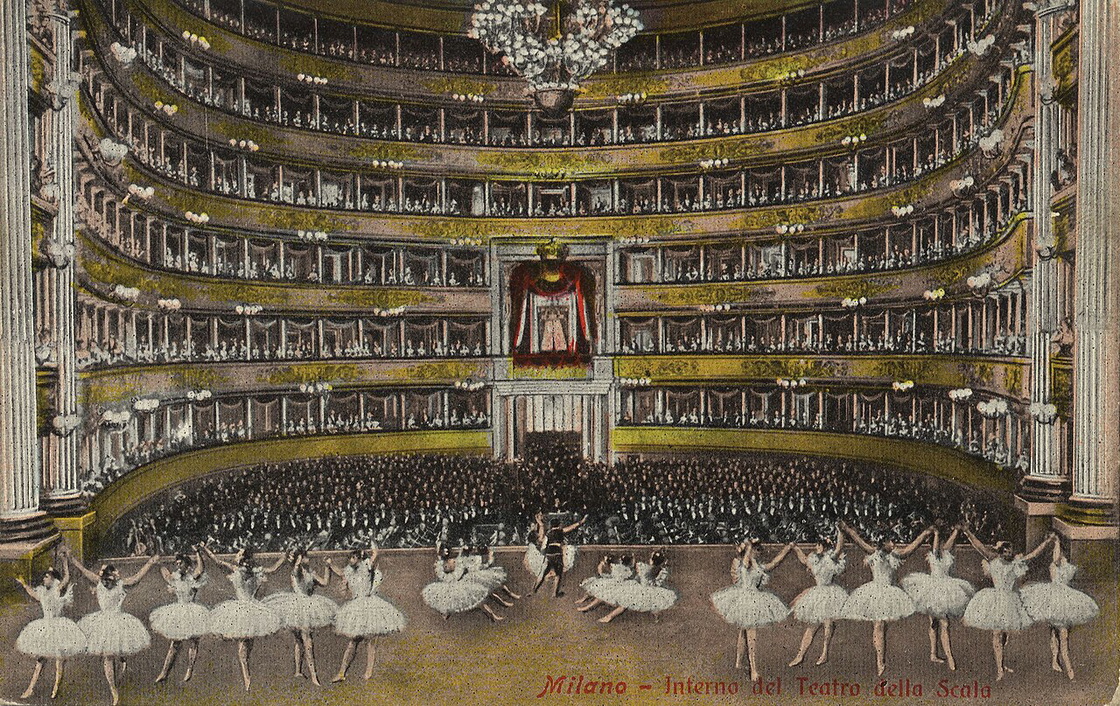
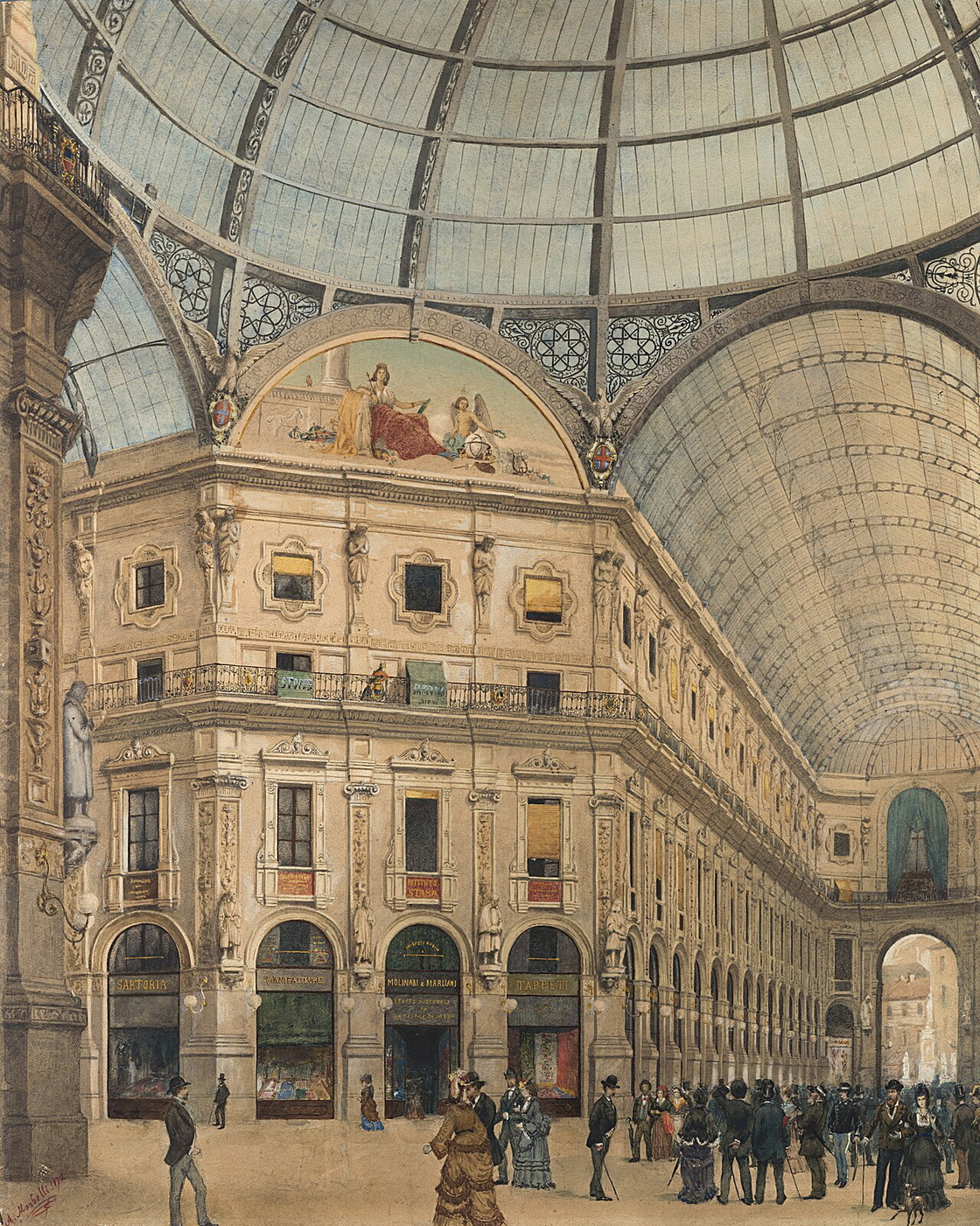
Mario Buccellati was born in Ancona in 1891 and, as a teenager, became an apprentice at Beltrami & Besnati, one of Milan’s most distinguished goldsmiths, whose shop stood on Via Santa Margherita, between La Scala and the Galleria.
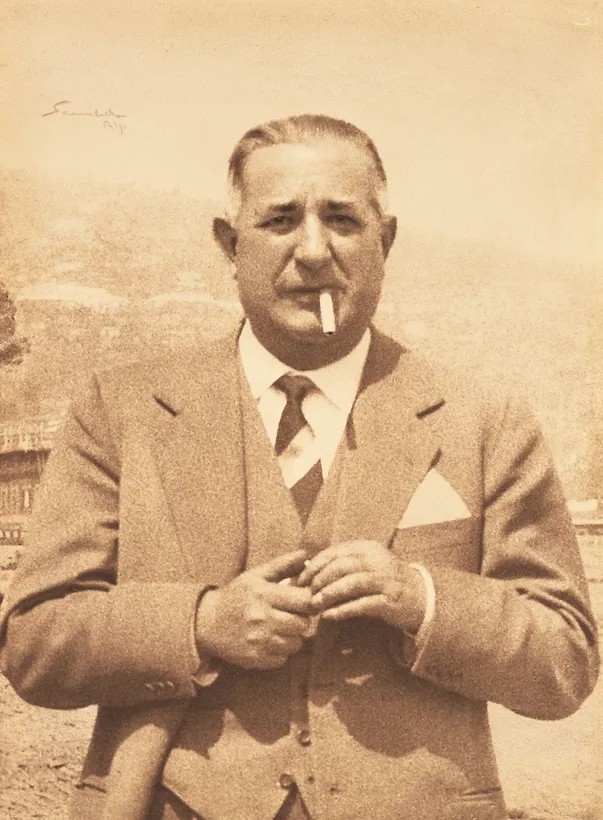
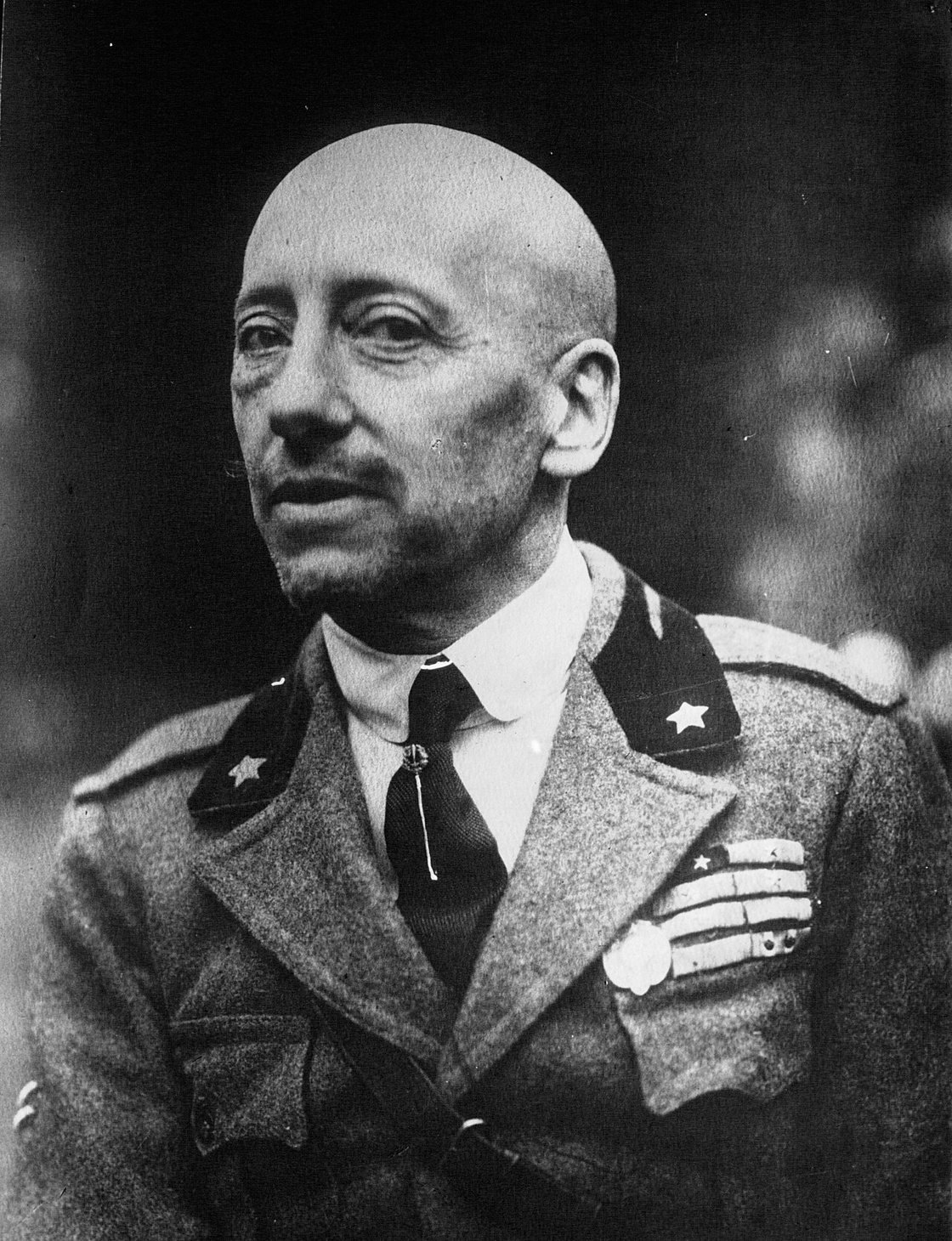
Mario Buccellati opened his shop in Milan in 1919, taking over the business where he had trained. He soon attracted aristocratic and literary clients, above all the poet Gabriele D’Annunzio, who bought dozens of pieces as gifts and called him the “Prince of Goldsmiths”. In 1921 he exhibited in Madrid and won the patronage of the Spanish royal family; later clients included the royal family of Egypt and the Vatican.
In 1925 he opened a second shop on Via Condotti in Rome with his brother Carlo, and in 1929 a third, on Via de’ Tornabuoni in Florence.
The Buccellati style
Buccellati drew on the goldsmiths of the Italian Renaissance, reviving techniques that had almost disappeared. The result is gold that seems woven rather than cast, often combined with silver, pearls and coloured stones.
Signature techniques
Rigato: fine parallel lines engraved to catch the light. Telato: an engraved texture like linen. Segrinato: tiny criss-crossing lines that give a soft, matte glow. Ornato: engraved leaves and flowers. Modellato: sculpted, three-dimensional forms.
Italy’s past as inspiration
Renaissance and Baroque ornament, Venetian lace and Italian textiles all feed into the Buccellati look, which is why its jewels feel both historic and timeless.
A family business
During the war, when gold was scarce, Mario made compacts and cigarette cases in tombac, a copper alloy; they are collected in their own right today. After the war his sons joined the business, and in 1951 his son Luca opened a shop on 51st Street in New York, followed by Fifth Avenue and a seasonal shop in Palm Beach.
Mario died in 1965. His son Gianmaria, who had trained at the bench from the age of fourteen, took on the creative side and built the business internationally, opening in Hong Kong in 1970 and later in Japan. The family’s separate branches were reunited under the single Buccellati name in 2011, and many of the craftsmen in its workshops today are the grandchildren of those who worked for Mario.
You can spot Buccellati across a room: gold that looks like fabric. It’s one of the few styles that has never been successfully copied.
Olly Gerrish, AJC Founder
Buccellati today
In 2000 the Smithsonian Institution’s National Museum of Natural History in Washington held an exhibition of Mario and Gianmaria Buccellati’s work, and in 2019 the house celebrated its centenary.
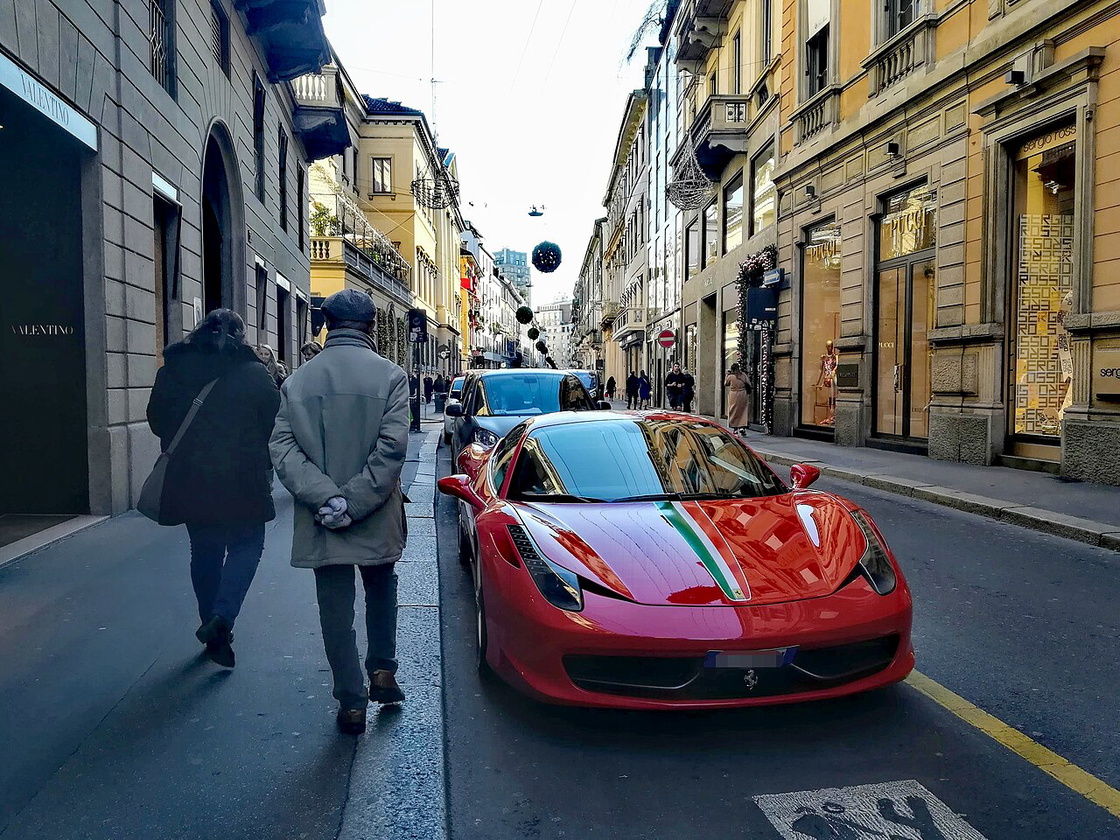
Since 2019 Buccellati has been part of the Richemont group, alongside Cartier and Van Cleef & Arpels, but its engraving is still done by hand in Italy, in the same way it has been for a century.
Our view
Vintage Buccellati is rare and precious, but its love of textured, hand-finished gold runs through much of the best Italian jewellery of the mid-twentieth century. See our mid-century jewellery.
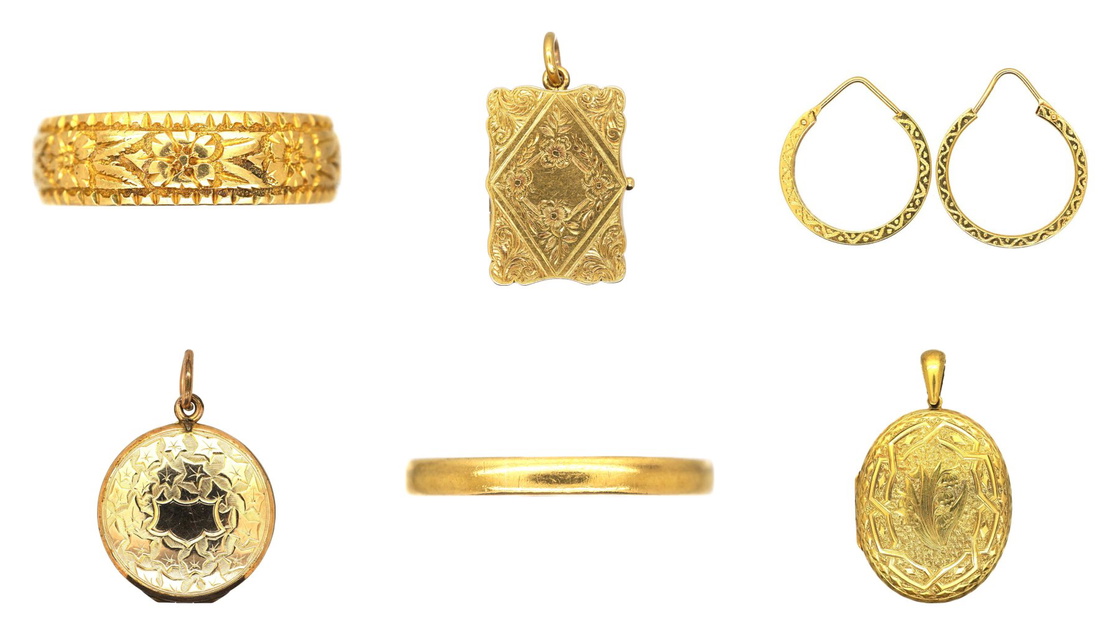
Take a look at our collection by shopping online, or make an appointment and see us in person. Continue the story.