Diamond Engagement Rings
 Sapphire Engagement Rings
 Emerald Engagement Rings
 Ruby Engagement Rings
 Rings
Rings
 Earrings
 Necklaces
 Brooches
 Bracelets & Bangles
 Cufflinks
 Pendants
 Chains
 Tie Pins
 Lockets
 Charms
 Signet Rings
 Seals
Seals
 Curiosities
 UK / £
 USA / $
 AU / $


 Experts since 1975

-
Your Shopping Bag is empty

 Free Worldwide Delivery
 View All
 Diamond
 Sapphire
 Emerald
 Ruby
Ruby





Ballet and Antique Jewellery: A Love Affair in Light and Movement
Ballet and fine jewellery have always understood each other. Both are about light and movement, about making something extraordinarily difficult look effortless, and both reach their best in the hands of great craftsmen. For two centuries dancers have inspired jewellers, and jewels have found their way onto the stage. Here is a small celebration of that relationship.
The Romantic ballerina
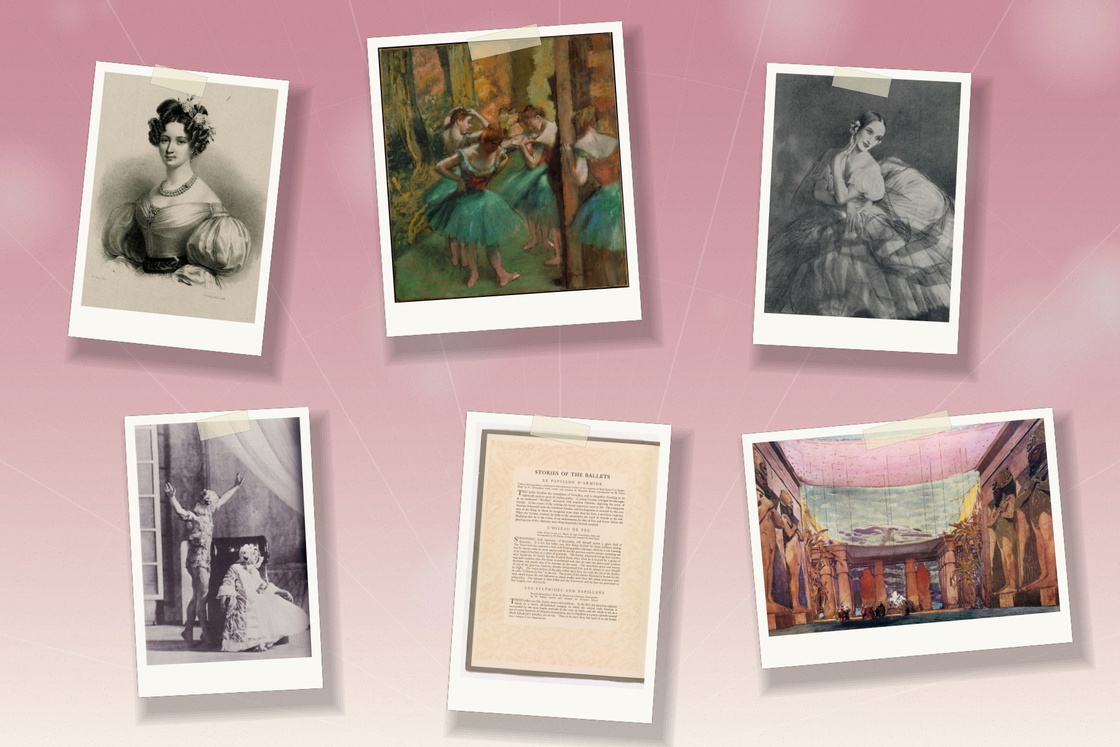
Modern ballet as we picture it began in the 1830s, when Marie Taglioni rose onto the tips of her toes in La Sylphide at the Paris Opéra and became the most famous dancer in Europe. The Romantic ballerina, all white tulle and weightlessness, became an ideal, and her image was everywhere: in prints, on music covers and in the jewellery of the day, with its love of wings, stars, flowers and pearls.
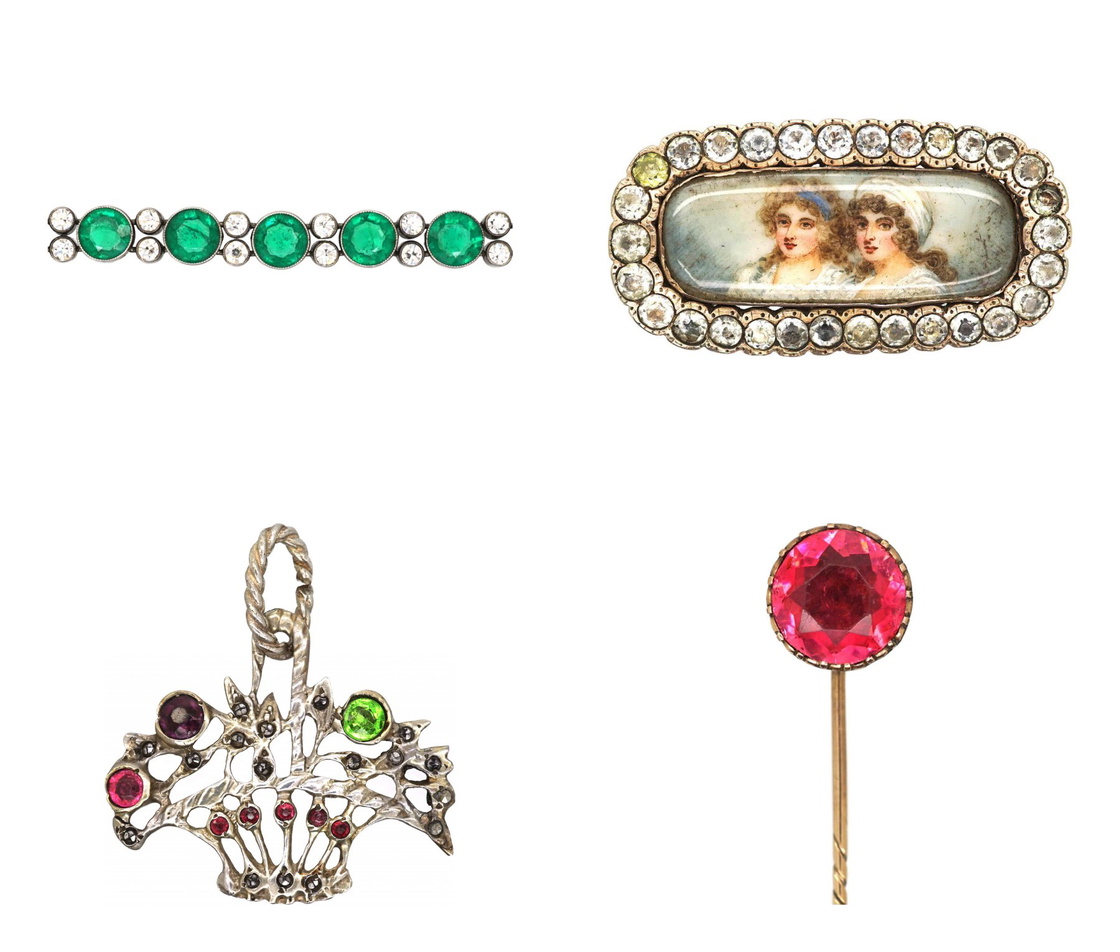
On stage, though, dancers rarely wore precious jewels. Under the gaslight of nineteenth-century theatres, what mattered was sparkle, and stage jewellery was usually paste: glass cut and polished to catch the light. Antique paste jewellery has a charm of its own for exactly that reason, and the best Georgian and Victorian pieces were made with as much care as diamond jewels.
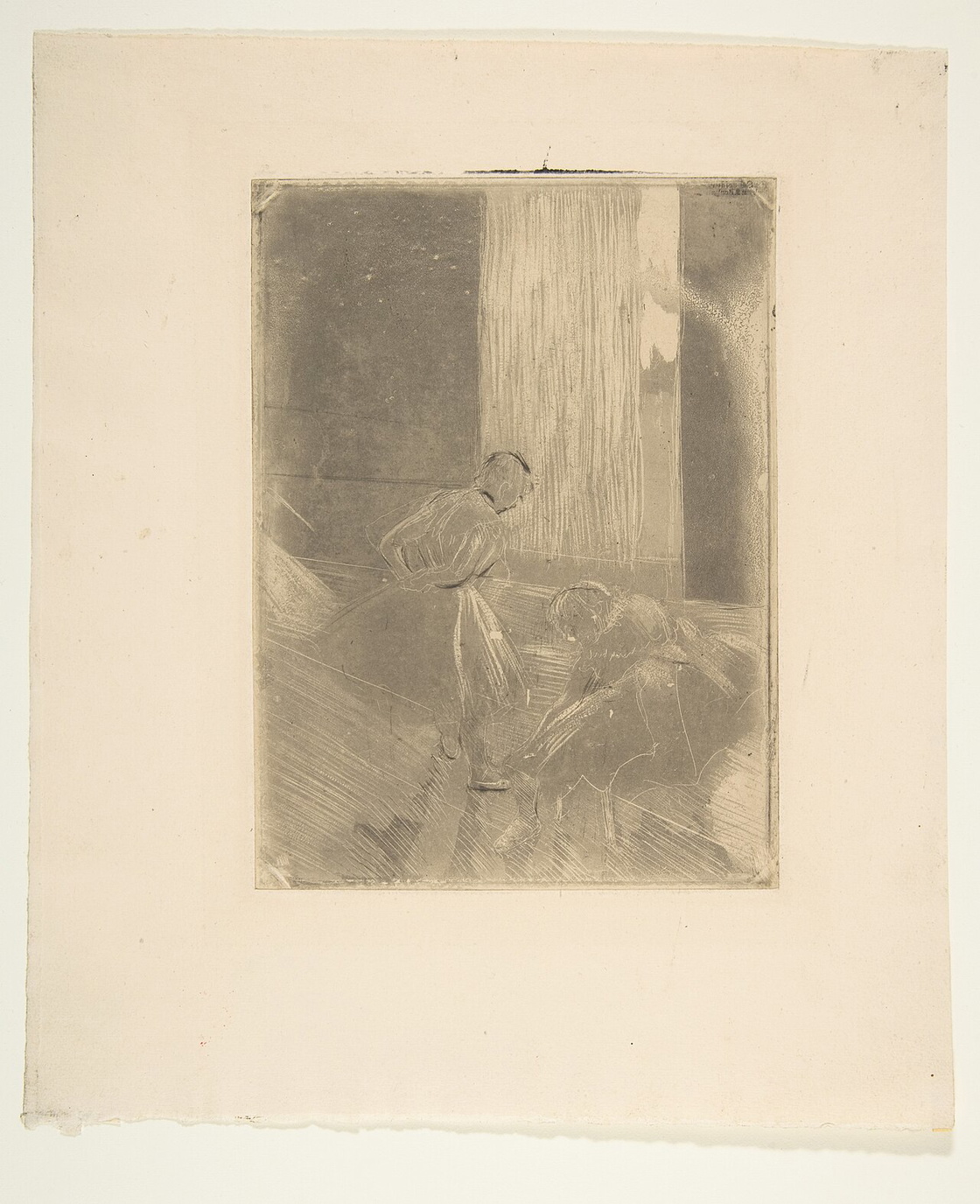
Degas and the dancers of the Paris Opéra
No artist captured the backstage world of ballet like Edgar Degas, who painted and drew the dancers of the Paris Opéra from the 1870s onwards: at the barre, in rehearsal, adjusting a shoulder strap, waiting in the wings. His dancers wear little jewellery beyond a ribbon at the throat, but they share its essentials: colour, movement and a moment caught in the light.
Anna Pavlova and the dying swan
At the beginning of the twentieth century, Anna Pavlova took ballet around the world. Her solo The Dying Swan, created for her in 1905, made her a legend, and she spent much of her later life in London, at Ivy House in Hampstead. Swans, feathers and stars run through the jewellery of the period, and a Victorian diamond star brooch like this one would have been as much at home in a dancer’s hair as on a lapel.
Ballet and jewellery want the same thing: to catch the light and make the difficult look easy. A beautifully made brooch has the same discipline as a dancer, it just stays still for longer.
Olly Gerrish, AJC Founder
The Ballets Russes
In 1909 Serge Diaghilev brought his Ballets Russes to Paris, and nothing was quite the same again. Its stars, Vaslav Nijinsky and Tamara Karsavina among them, danced in costumes and sets by Léon Bakst of an intensity Paris had never seen: brilliant blues, greens, oranges and purples, and an exotic, orientalist glamour. Fashion followed immediately; Paul Poiret’s bold, uncorseted designs were part of the same revolution, and jewellers took note. The daring colour combinations of the years before the First World War, blue with green, turquoise with lapis, owe a great deal to the Ballets Russes. You can read more about Poiret’s family of jewellers in our celebration of René Boivin.
Van Cleef & Arpels, ballerinas and Jewels
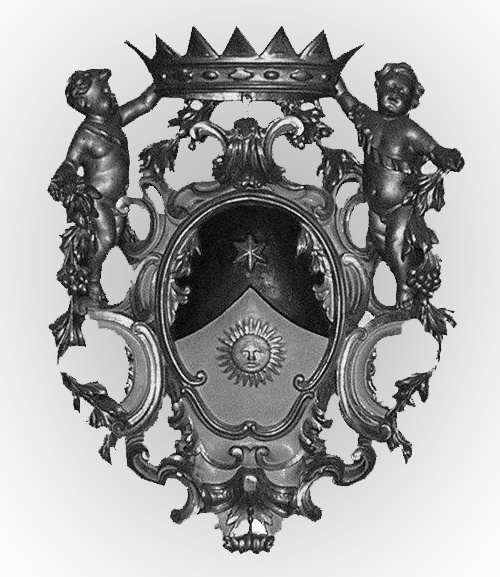
No jewellery house has loved ballet more than Van Cleef & Arpels. Its famous ballerina clips, small dancers in gold set with diamonds and coloured stones, began in New York in the early 1940s, and fairies and dancers have been part of its language ever since. In 1967 the choreographer George Balanchine created Jewels for New York City Ballet, a ballet in three acts, Emeralds, Rubies and Diamonds, inspired by the house’s gems and his friendship with Claude Arpels. It is one of the few ballets ever made about jewellery, and one of the most loved.
The ballerina ring
Ballet even gave its name to a ring. The ballerina ring, fashionable from the 1940s and 1950s, sets a centre stone within a skirt of tapering baguette or marquise diamonds that fan out like a tutu. It is glamorous, sculptural and very flattering on the hand, like this diamond cluster ballerina ring. See our cluster rings for more in the same spirit.
Tiaras and princesses
From Aurora’s wedding in The Sleeping Beauty to the swan queens of Swan Lake, ballet’s princesses wear tiaras, and the grand classical ballets have always borrowed the look of court jewellery. Bows, garlands, stars and pearls, the vocabulary of the great tiara makers, are exactly the motifs that bring a stage costume to life.
A dancer’s jewellery
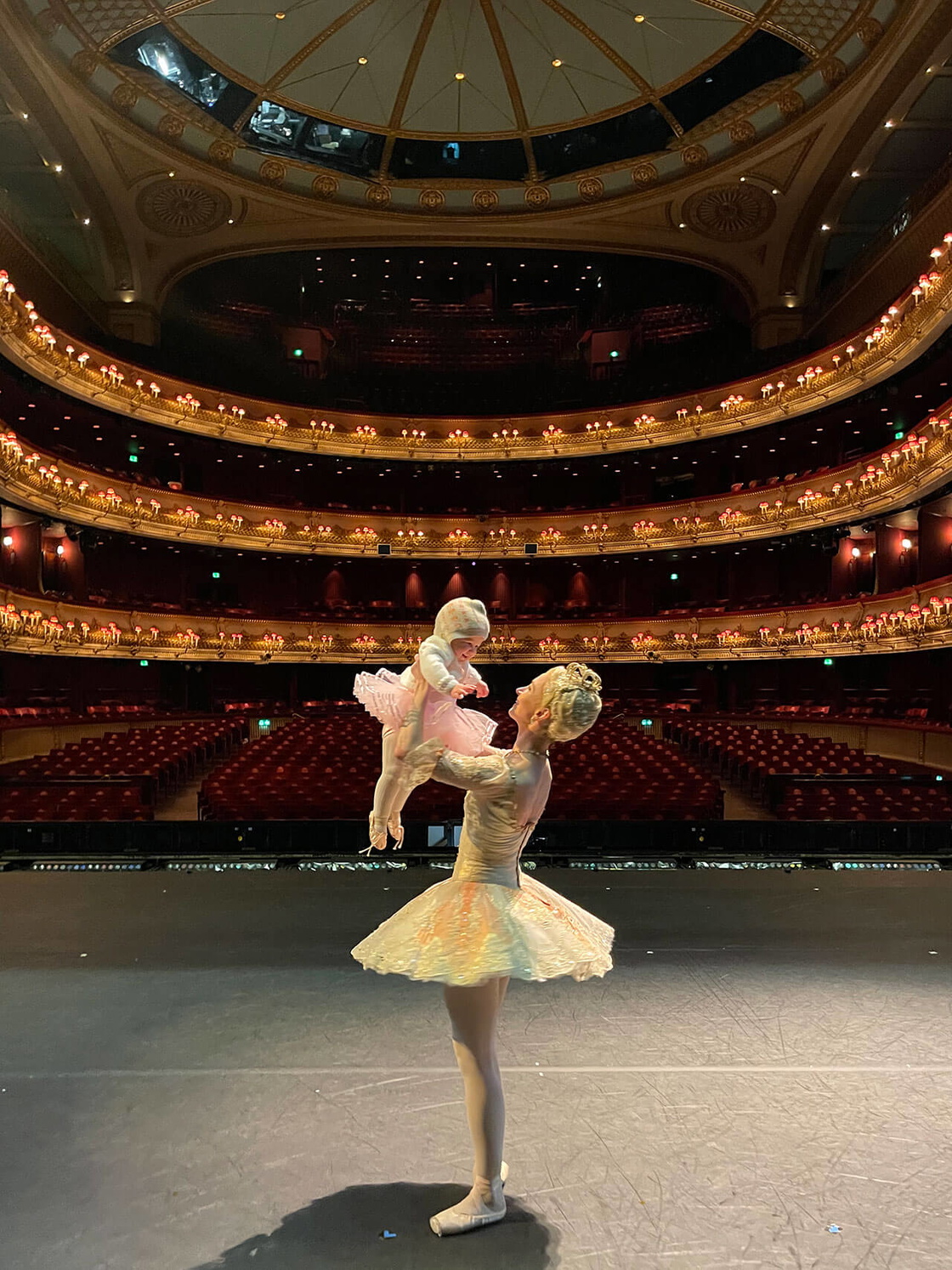
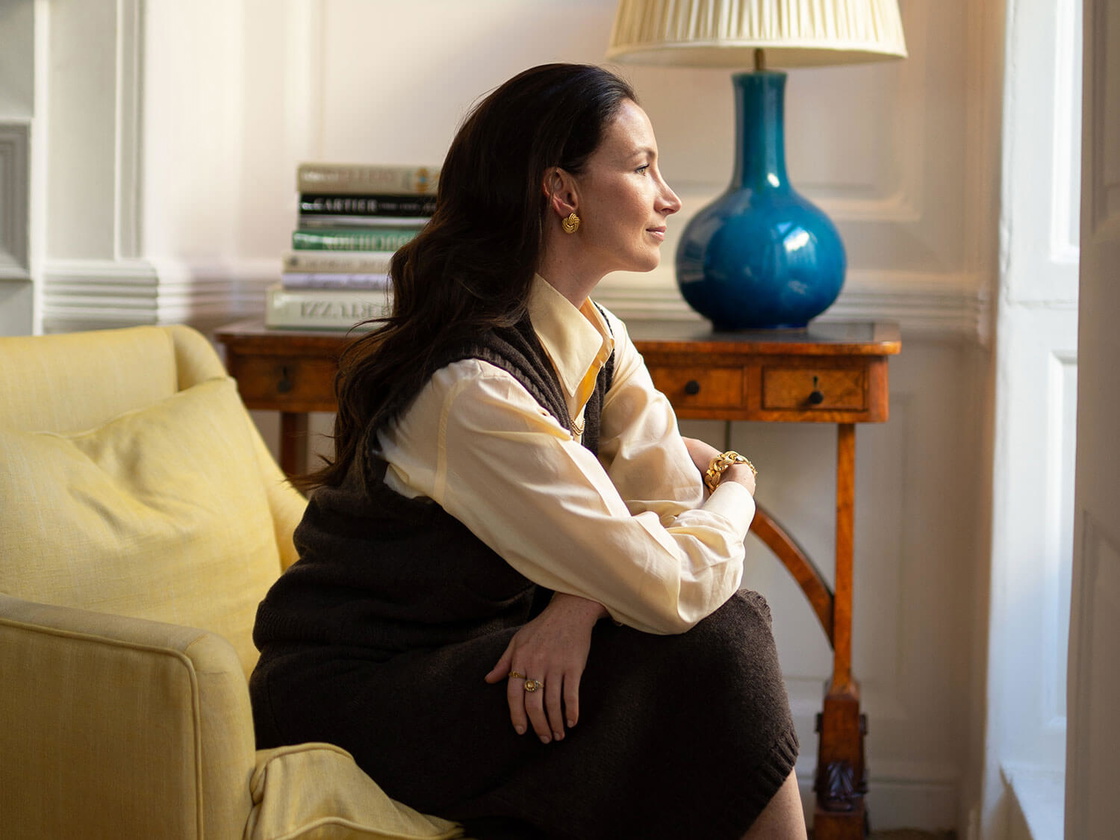
Dancers rarely wear their own jewellery on stage, which perhaps makes the pieces they choose offstage all the more personal. We have been lucky to count Lauren Cuthbertson, Principal of The Royal Ballet, among our AJC Champions, and to see how naturally antique jewellery sits with a dancer’s poise: nothing heavy or fussy, just pieces with grace and a sense of history.
What to look for
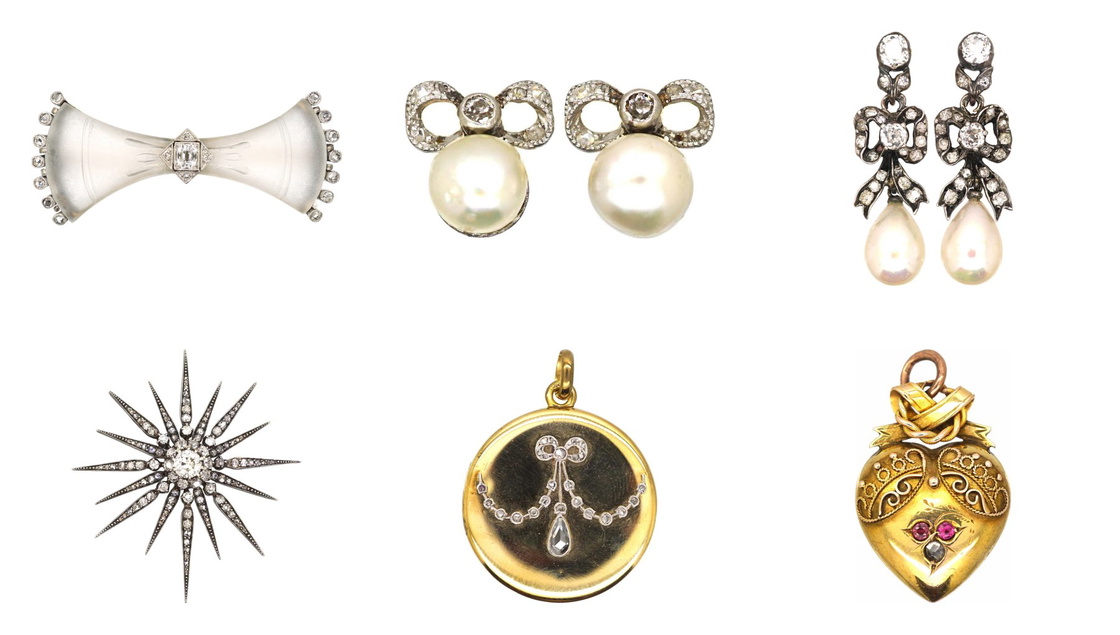
If ballet is your inspiration, look for jewellery with lightness and movement: bows and ribbons, stars, garlands and flowers, pearls, and pieces made to move, such as drop earrings and en tremblant brooches. Antique earrings with a little swing, like these Edwardian bow earrings with bouton pearls, are about as balletic as jewellery gets. Our guide to antique pearls has more.
Our view
We love the connection between ballet and jewellery because both are built on the same things: years of skill, perfect proportions and the pursuit of something that looks effortless. An antique bow brooch or a pair of pearl drops carries a little of that magic, on stage or off.
You don’t need to be a ballerina to wear jewellery like one. A bow, a star or a pair of pearl drops, worn every day, has that same lightness.
Olly Gerrish, AJC Founder