Diamond Engagement Rings
 Sapphire Engagement Rings
 Emerald Engagement Rings
 Ruby Engagement Rings
 Rings
Rings
 Earrings
 Necklaces
 Brooches
 Bracelets & Bangles
 Cufflinks
 Pendants
 Chains
 Tie Pins
 Lockets
 Charms
 Signet Rings
 Seals
Seals
 Curiosities
 UK / £
 USA / $
 AU / $


 Experts since 1975

-
Your Shopping Bag is empty

 Free Worldwide Delivery
 View All
 Diamond
 Sapphire
 Emerald
 Ruby
Ruby





Antique Cluster Rings: A Buyer’s Guide
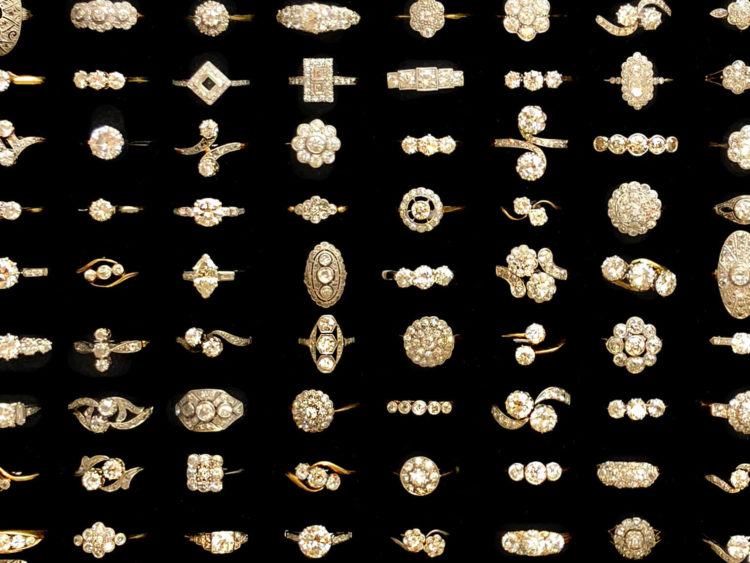
The cluster ring is the great all-rounder of antique jewellery. A centre stone surrounded by a ring of smaller diamonds, it has been made in almost every period for three hundred years, and it is one of the most popular styles of engagement ring we sell. Here is our guide to the cluster ring through the ages, and what to look for when you choose one.
What is a cluster ring?
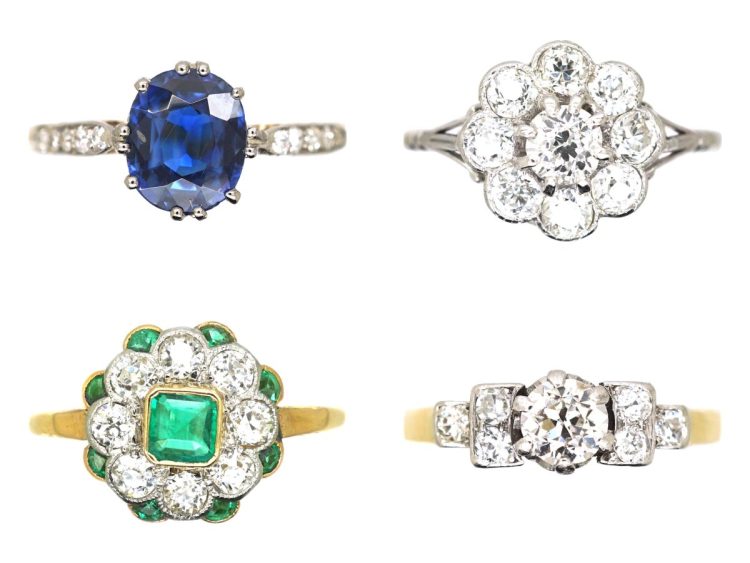
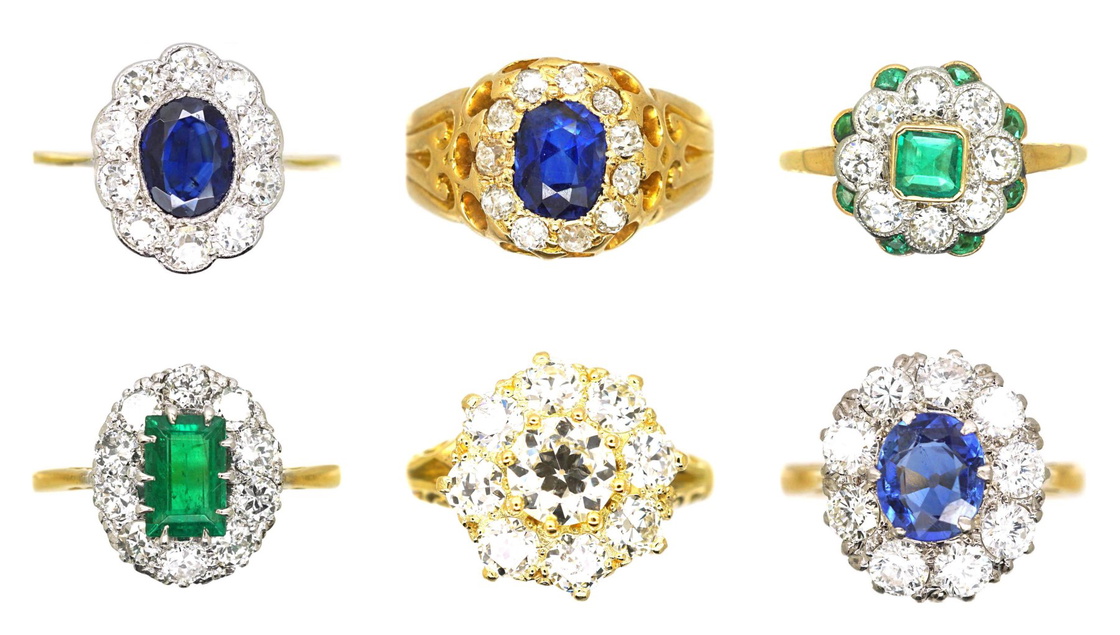
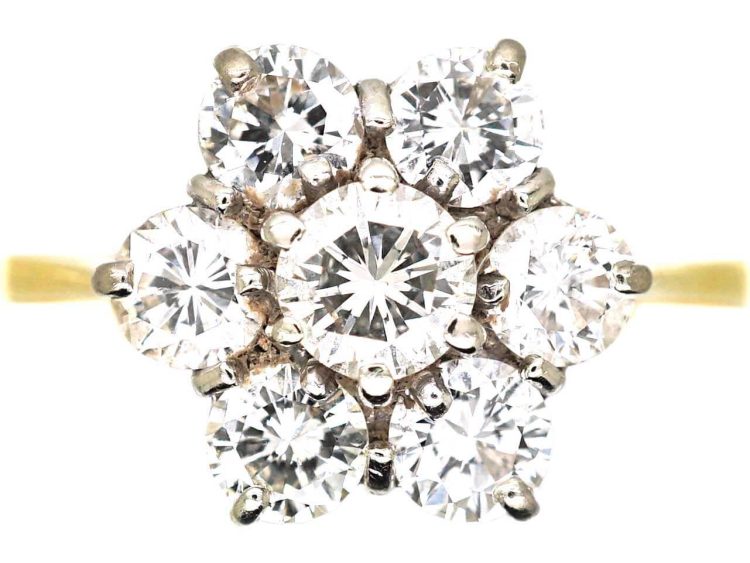
A cluster ring sets a group of stones together so they read as a single, larger shape. Most often a centre stone, a diamond, sapphire, ruby or emerald, is framed by a ring of smaller diamonds, though some clusters are made entirely of diamonds, or of several larger stones together. The frame makes the centre look bigger and brighter, protects it, and gives the ring presence on the hand. Today a modern version is often called a halo ring, but jewellers were making them long before the word existed.
Georgian clusters and giardinetti
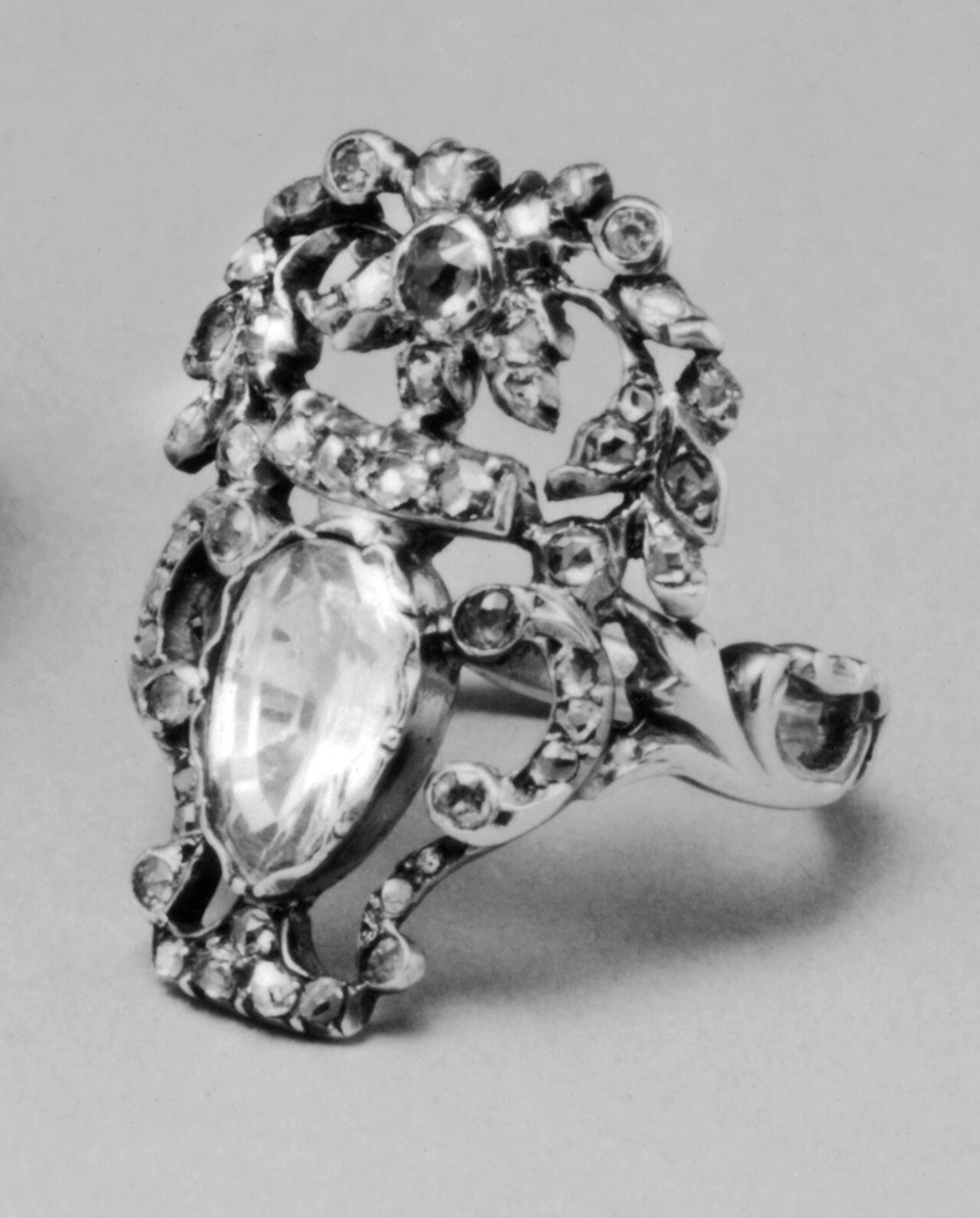
The earliest clusters we see date from the eighteenth century. Georgian jewellers set rose-cut and old mine cut diamonds in closed-backed silver collets, often with foil behind them to brighten the stones, in round, oval and flower-like shapes. The same period loved the giardinetti, or “little garden”, ring, a tiny basket of flowers set with coloured stones. Explore Georgian rings in our collection.
Victorian clusters
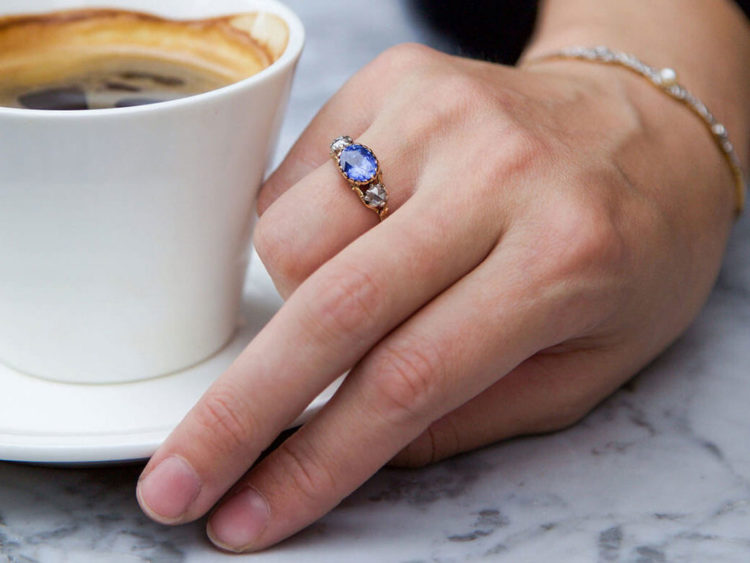
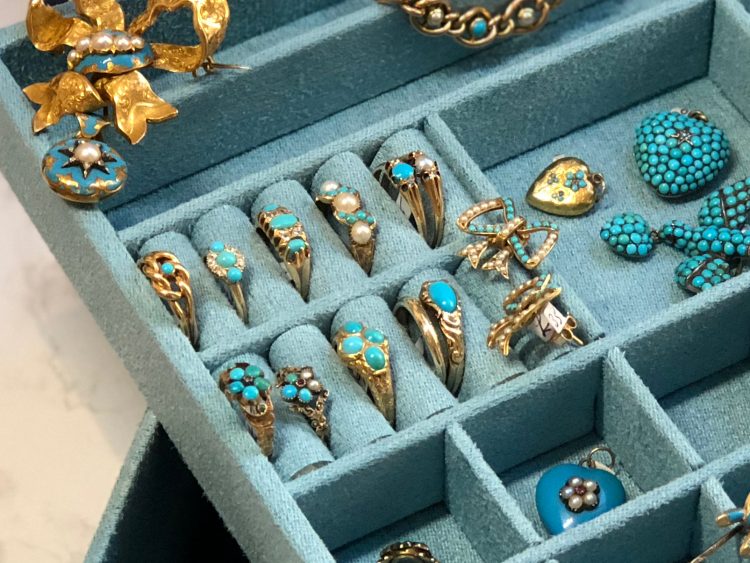
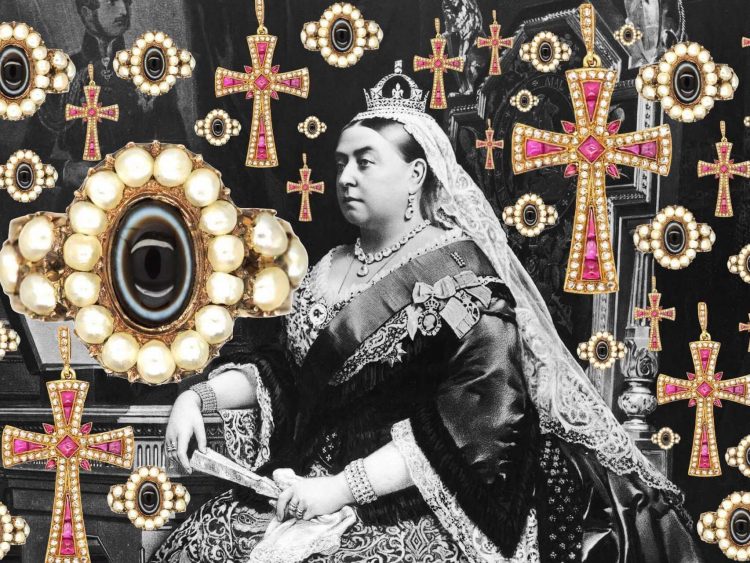
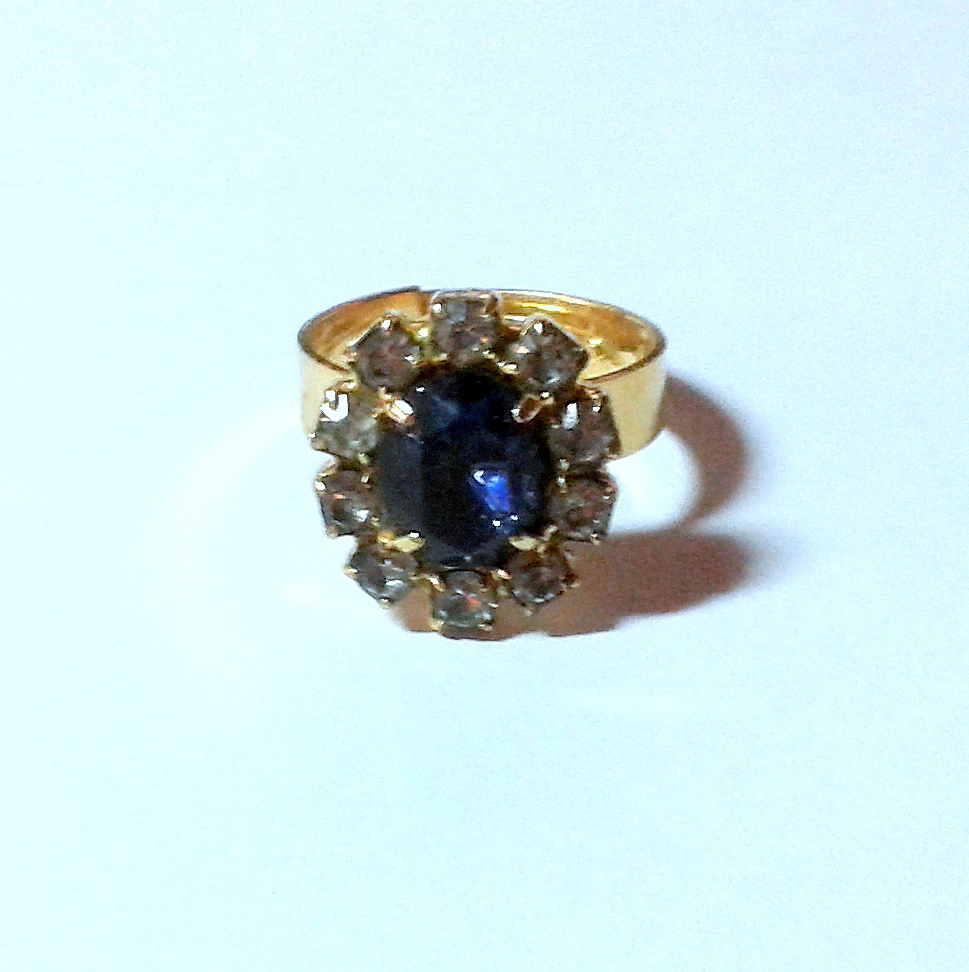
The Victorians made clusters in great variety: turquoise forget-me-nots, garnet and pearl flowers, and, after diamonds became more plentiful in the 1870s, generous diamond clusters, often set in silver on yellow gold so the diamonds looked whiter. Sapphire and ruby centres framed by old mine cut diamonds became a classic engagement ring, like this Victorian fancy diamond cluster ring.
Edwardian and Art Deco clusters
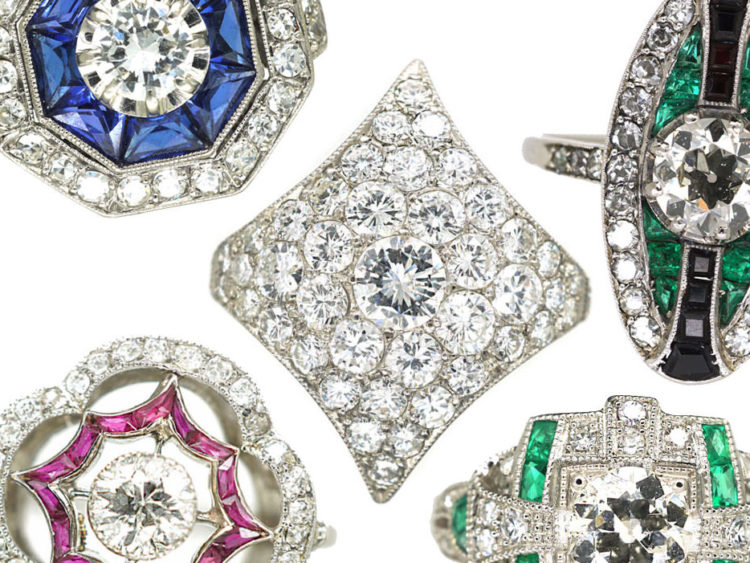
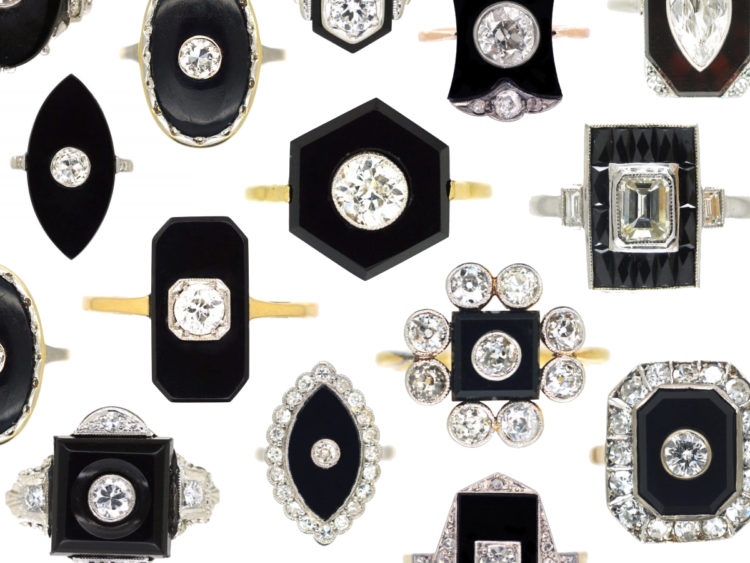
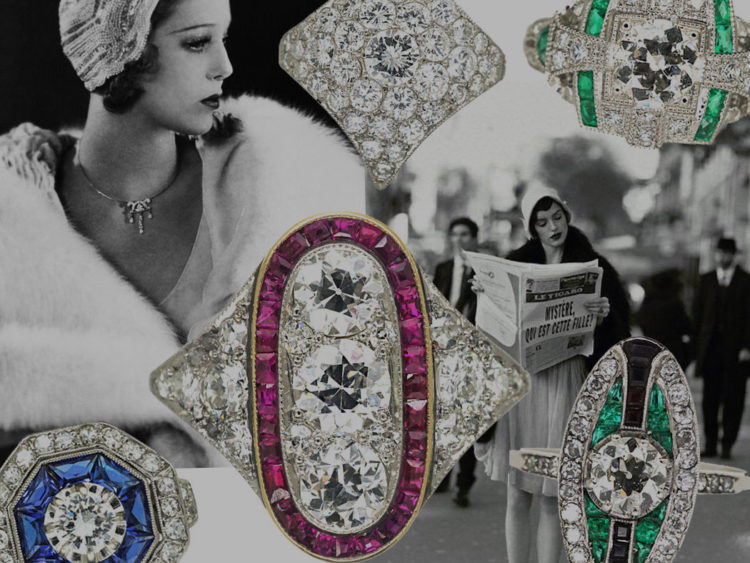
The Edwardians perfected the cluster. Set in platinum, with fine claws, millegrain edges and pierced galleries, Edwardian clusters are light and lacy, and the oval sapphire and diamond cluster is perhaps the most loved antique engagement ring of all. Art Deco jewellers then made the cluster geometric, with square, octagonal and target designs. Read our guides to Edwardian engagement rings and Art Deco engagement rings.
A good cluster ring is the most generous ring there is. All those little diamonds working together give you so much light, and it wears beautifully every single day.
Olly Gerrish, AJC Founder
The cluster in the twentieth century
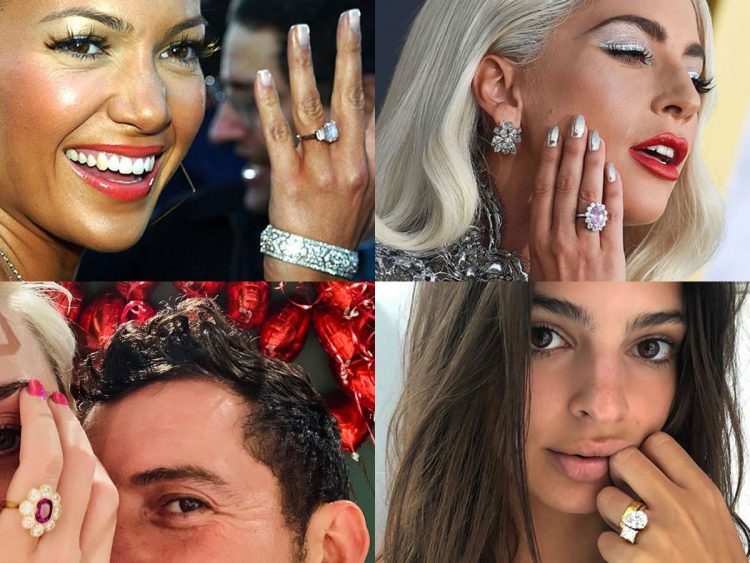
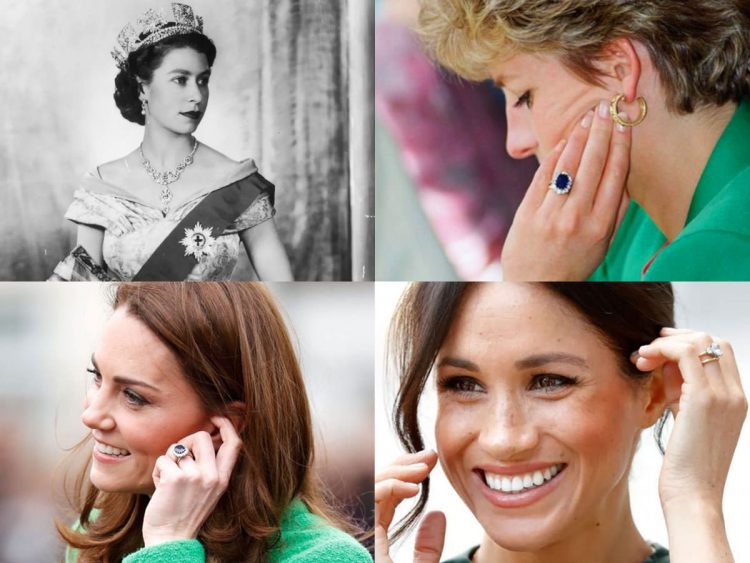
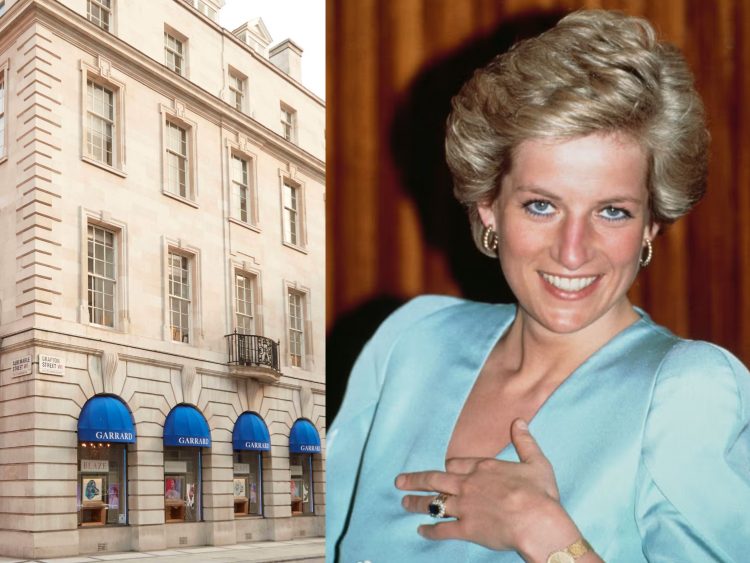
Clusters stayed popular through the 1950s and 1960s, with flower and daisy designs in white and yellow gold. Then, in 1981, Lady Diana Spencer chose a Garrard engagement ring with a large oval Ceylon sapphire framed by fourteen diamonds, and the sapphire cluster became the most famous engagement ring in the world. It is now worn by the Princess of Wales. Read more in our articles on why Diana’s ring caused controversy and how to get the look.
Why choose a cluster?
More sparkle for your budget. Many smaller diamonds together give the presence of a much larger stone at a fraction of the price.
Protection. The surrounding diamonds guard the centre stone, making clusters a wise choice for softer stones such as emeralds and opals.
Versatility. From delicate Edwardian ovals to bold mid-century flowers, there is a cluster for every hand and every style.
What to look for
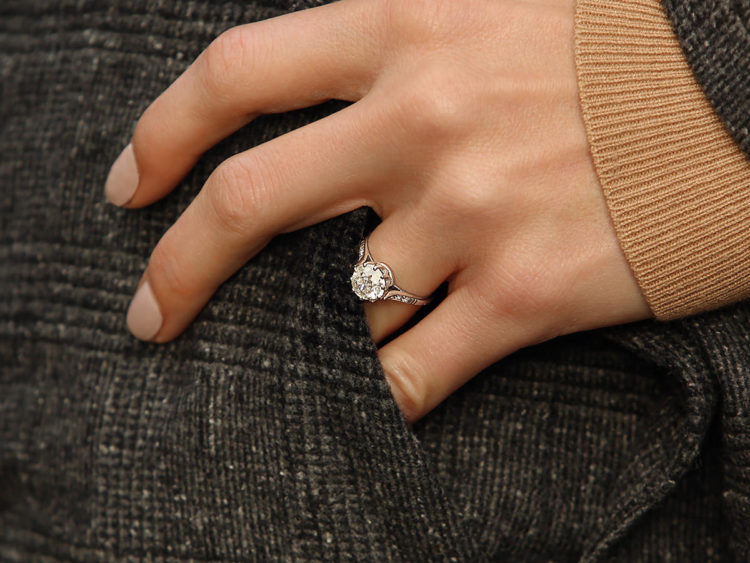
Look for a well-proportioned cluster, with surrounding diamonds that are well matched in size and colour and a centre stone with good colour and life. Check that every claw is secure and every stone is present, and look at the side: a well-made gallery is a sign of quality. Clusters set high on the finger can catch, so if you work with your hands, a lower setting may suit you better.
Caring for a cluster ring
Clusters have many claws, so have yours checked every year or two. Clean gently in warm soapy water with a soft brush, which also lifts dirt from beneath the stones, and avoid ultrasonic cleaners if the centre is an emerald, opal or turquoise. Our guide to cleaning a diamond ring has more tips.
Turn a cluster over before you buy it. The back tells you everything: a beautifully made gallery means the whole ring was made with care.
Olly Gerrish, AJC Founder
Explore the collection
- Cluster rings
- Sapphire engagement rings
- Edwardian engagement rings
- Victorian engagement rings
- Diamond engagement rings
- Emerald engagement rings