Diamond Engagement Rings
 Sapphire Engagement Rings
 Emerald Engagement Rings
 Ruby Engagement Rings
 Rings
Rings
 Earrings
 Necklaces
 Brooches
 Bracelets & Bangles
 Cufflinks
 Pendants
 Chains
 Tie Pins
 Lockets
 Charms
 Signet Rings
 Seals
Seals
 Curiosities
 UK / £
 USA / $
 AU / $


 Experts since 1975

-
Your Shopping Bag is empty

 Free Worldwide Delivery
 View All
 Diamond
 Sapphire
 Emerald
 Ruby
Ruby





How Antique Jewellery Was Made
Before machines, every antique jewel was made by hand: cut, shaped, soldered, engraved and set by craftsmen whose skills took years to learn. Understanding how antique jewellery was made helps you recognise quality, and appreciate why so much of it can’t be reproduced today.
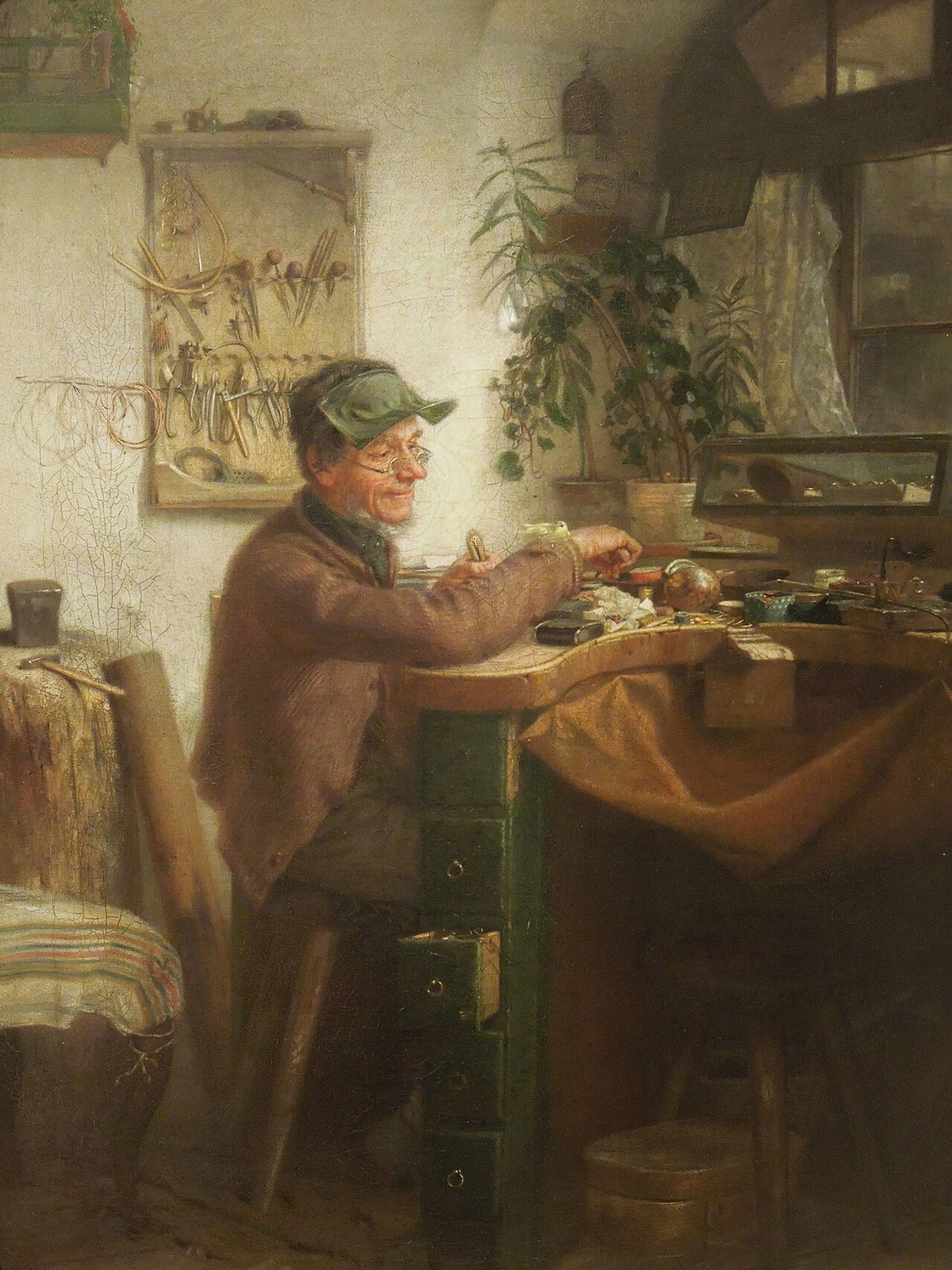
Working the metal
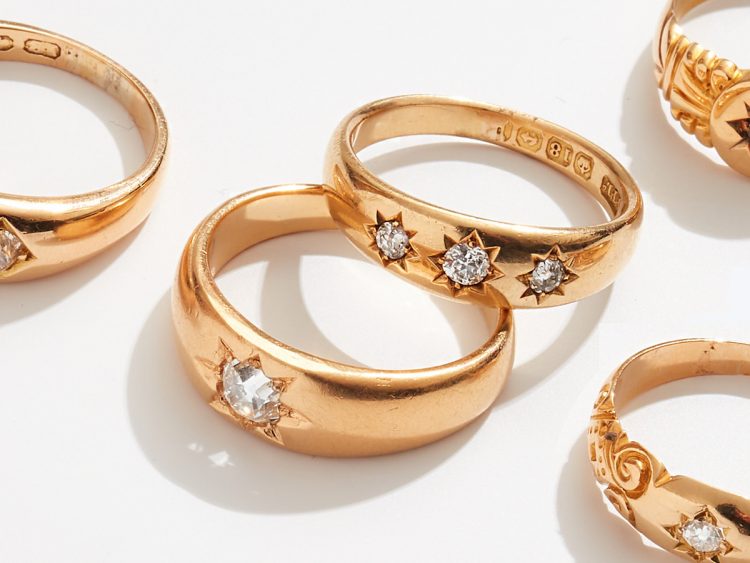
Most antique jewellery was hand-fabricated: sheet and wire were cut, bent and soldered together rather than cast in a mould. Hand-made pieces have crisp detail, even on the back, and a slight irregularity that machine-made jewellery lacks.
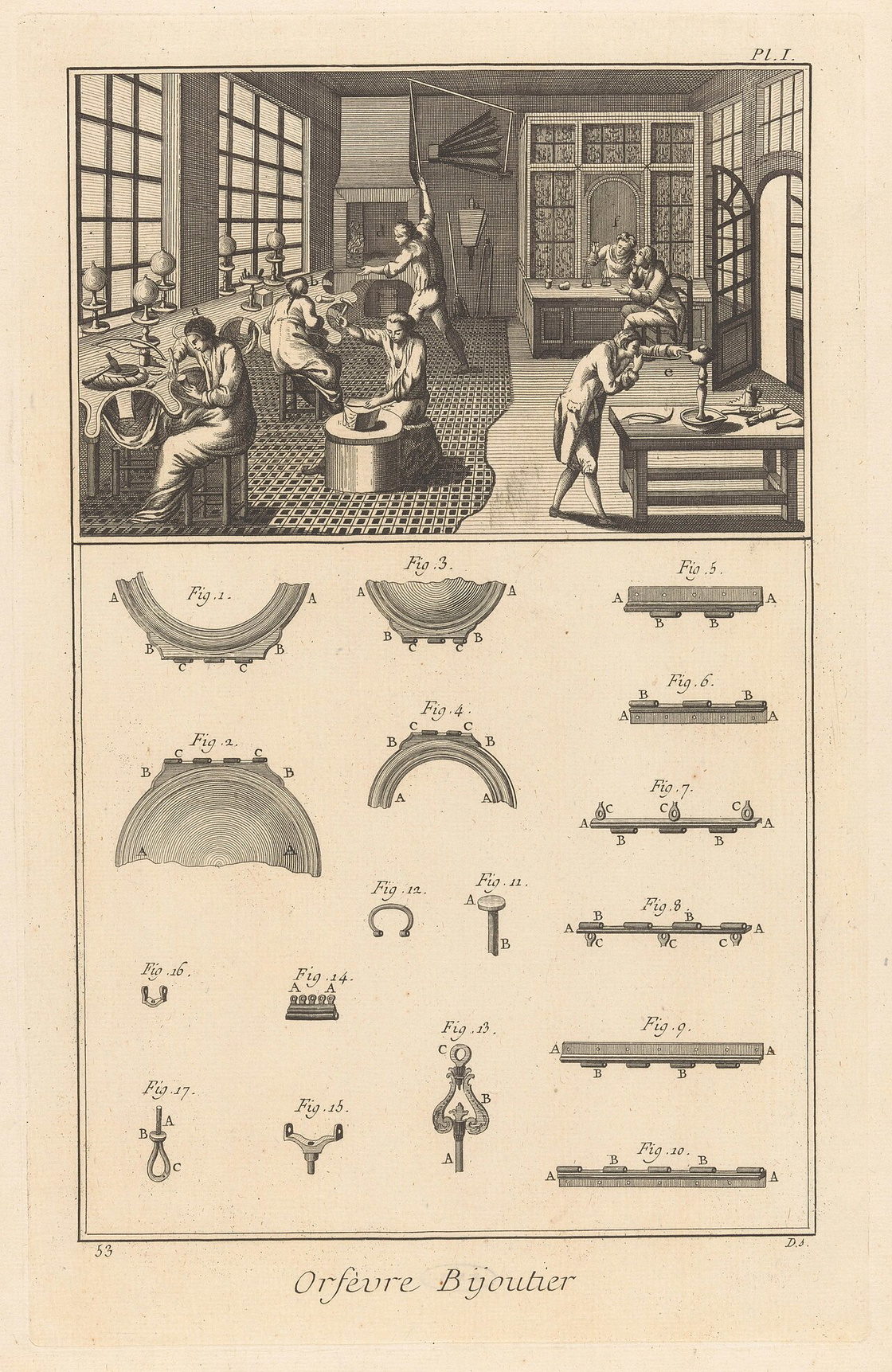
Decorating the surface
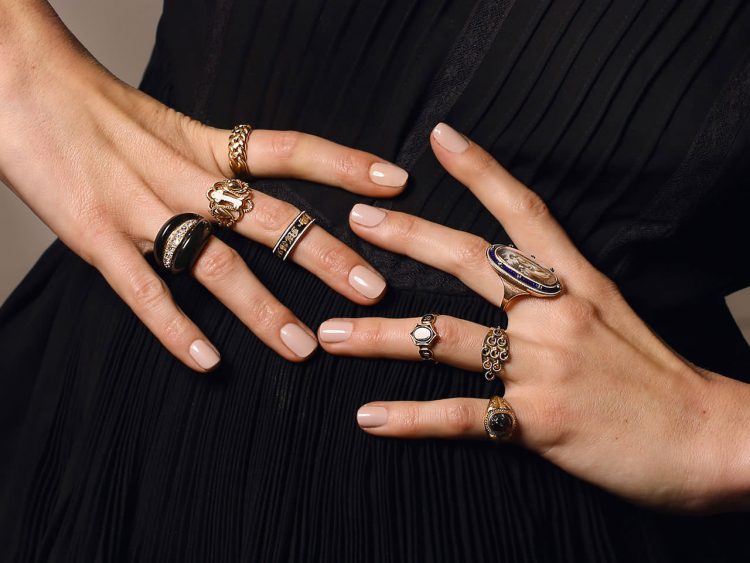
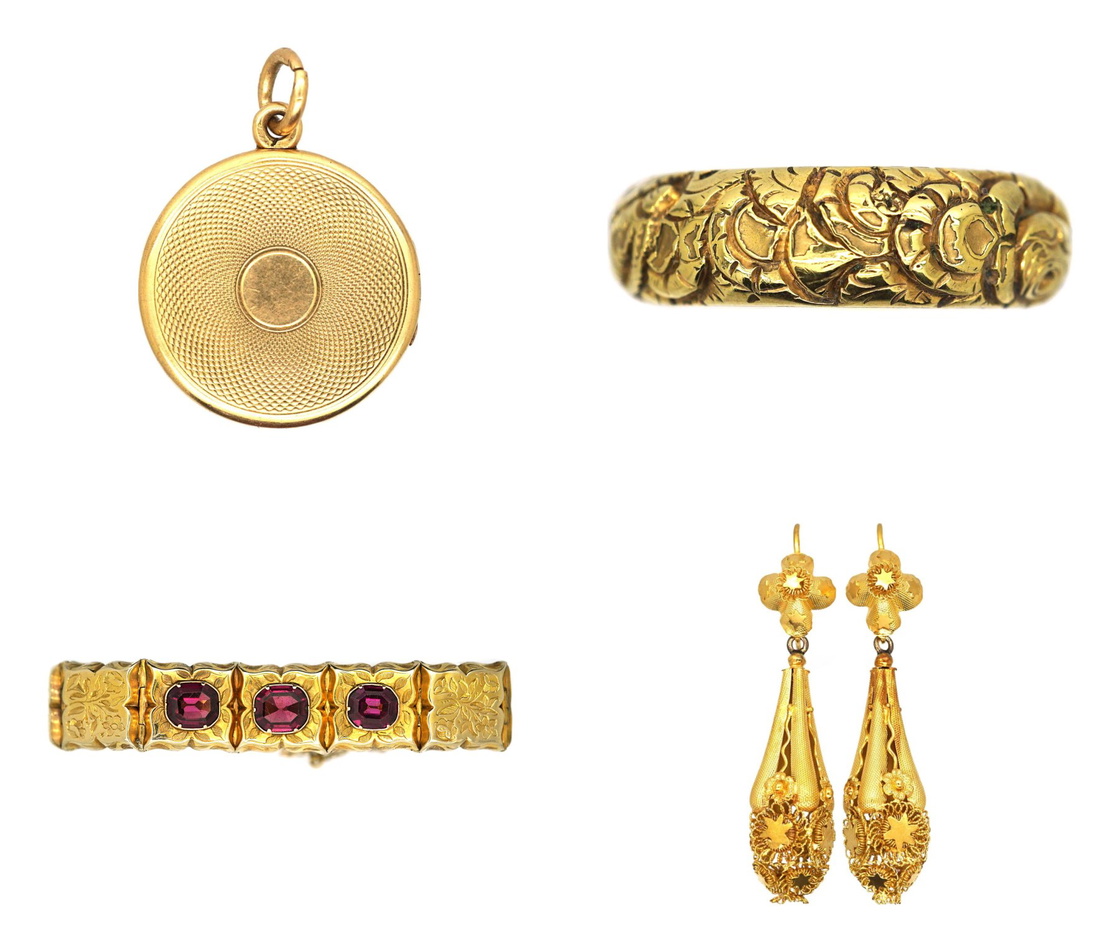
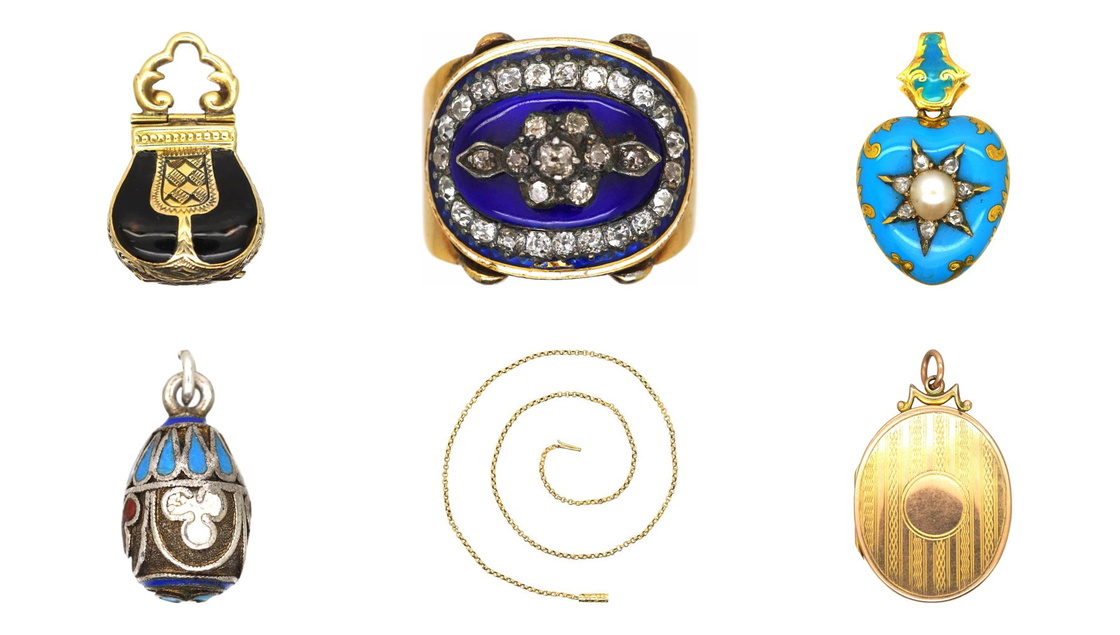
Engraving cuts lines into the metal by hand with a steel tool, as on this early Victorian gold chain with its engraved clasp.
Chasing and repoussé shape the metal from the front and back with punches and hammers to create raised designs.
Engine turning uses a hand-operated lathe to cut fine, repeating patterns, as on this engine-turned Edwardian locket.
Cannetille, fine coiled gold wire, was a Georgian speciality, used in the delicate filigree of earrings and brooches.
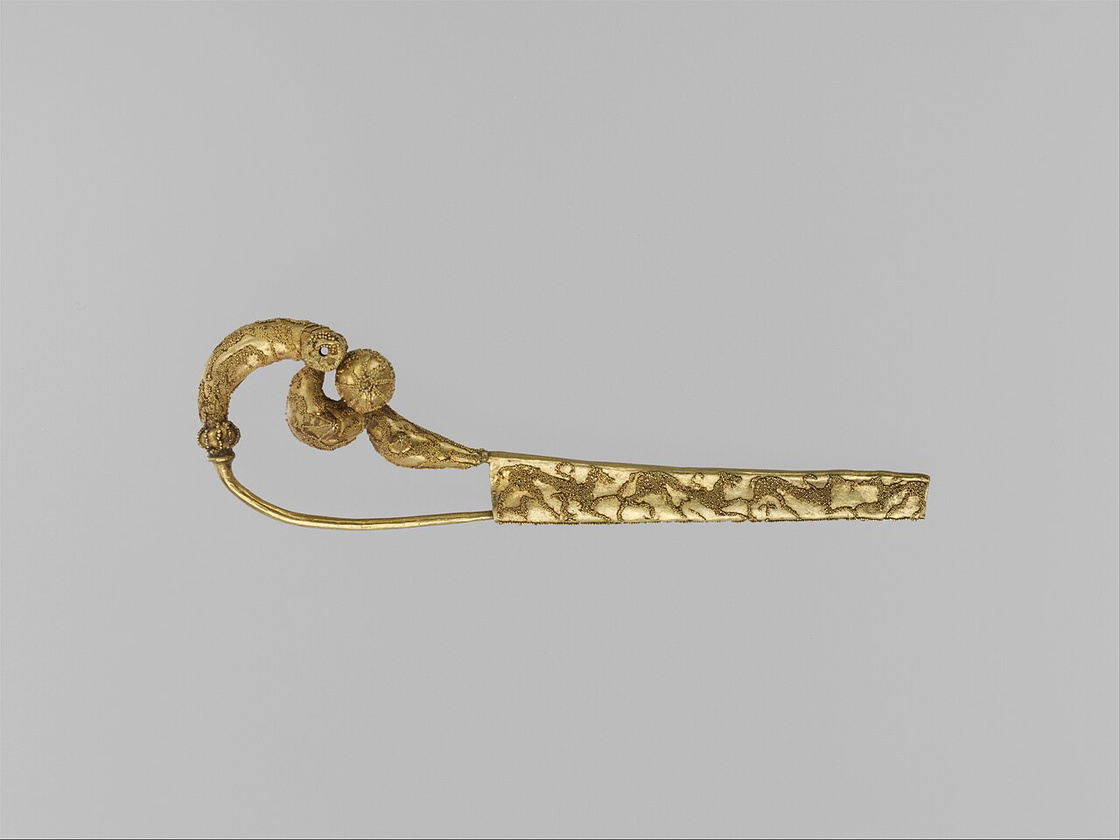
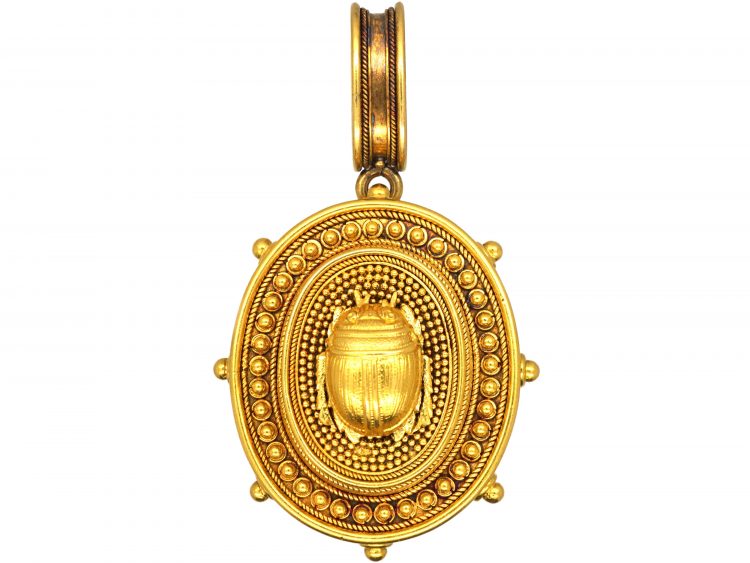
Granulation, tiny gold beads fused to a surface, was revived by nineteenth-century archaeological jewellers inspired by ancient Etruscan gold.
Enamel
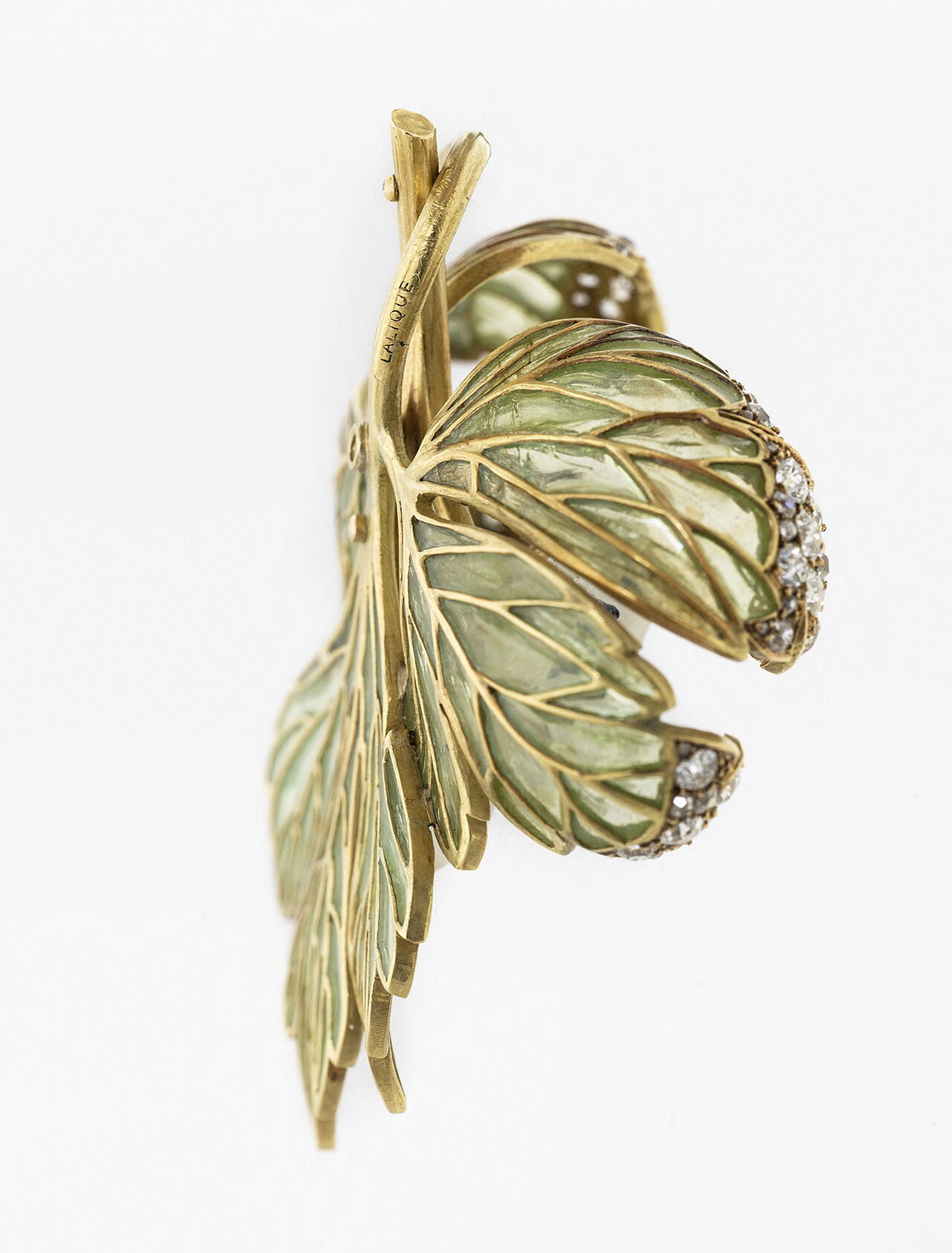
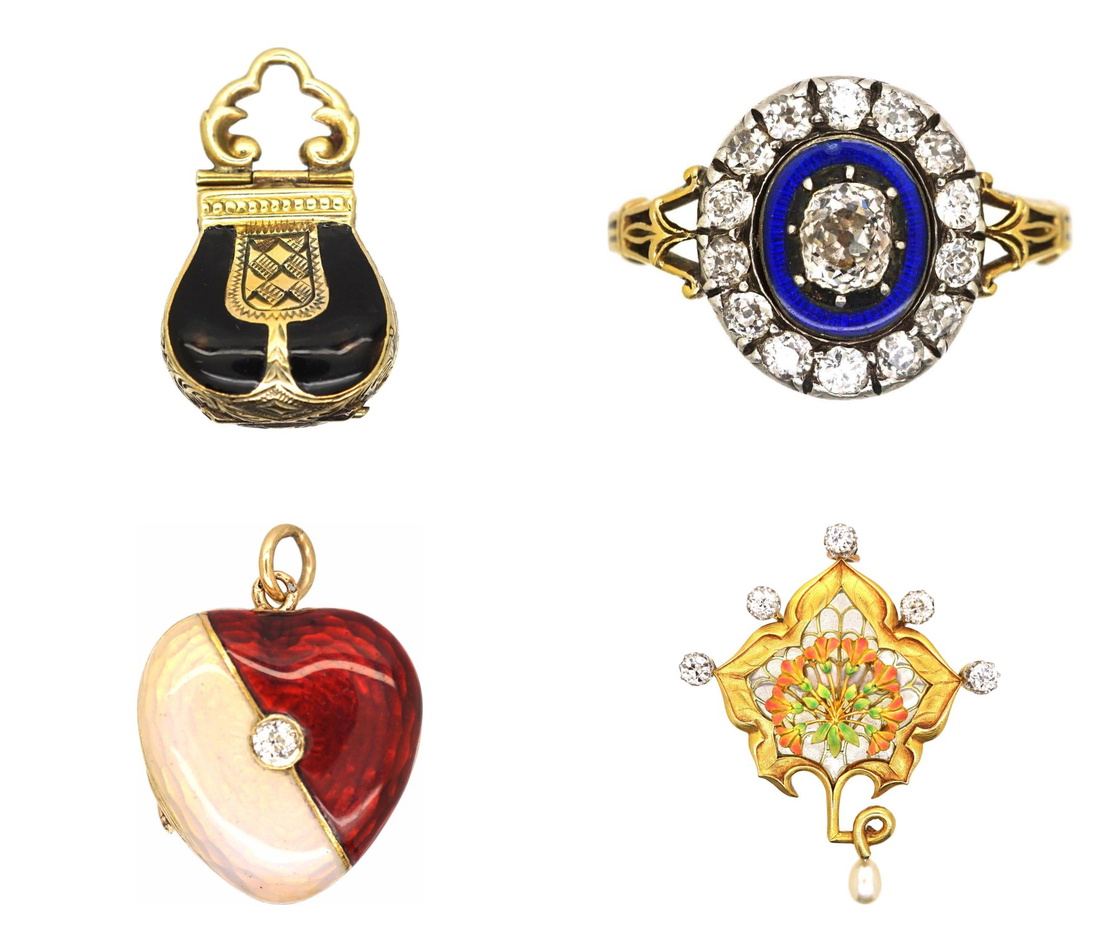
Enamel is powdered glass fused to metal in a kiln. Champlevé fills recesses cut into the metal; cloisonné fills cells made of fine wire; plique-à-jour has no backing, so light shines through like stained glass; guilloché lays translucent enamel over an engine-turned surface. Black enamel was the colour of mourning, as in this early Victorian black enamel locket, while blue and white enamel brought colour to Georgian rings like this one.
Turn any piece over. The back tells you whether someone cared. Georgian and Victorian jewellers finished the parts nobody would ever see, and that’s real craftsmanship.
Olly Gerrish, AJC Founder
Setting the stones
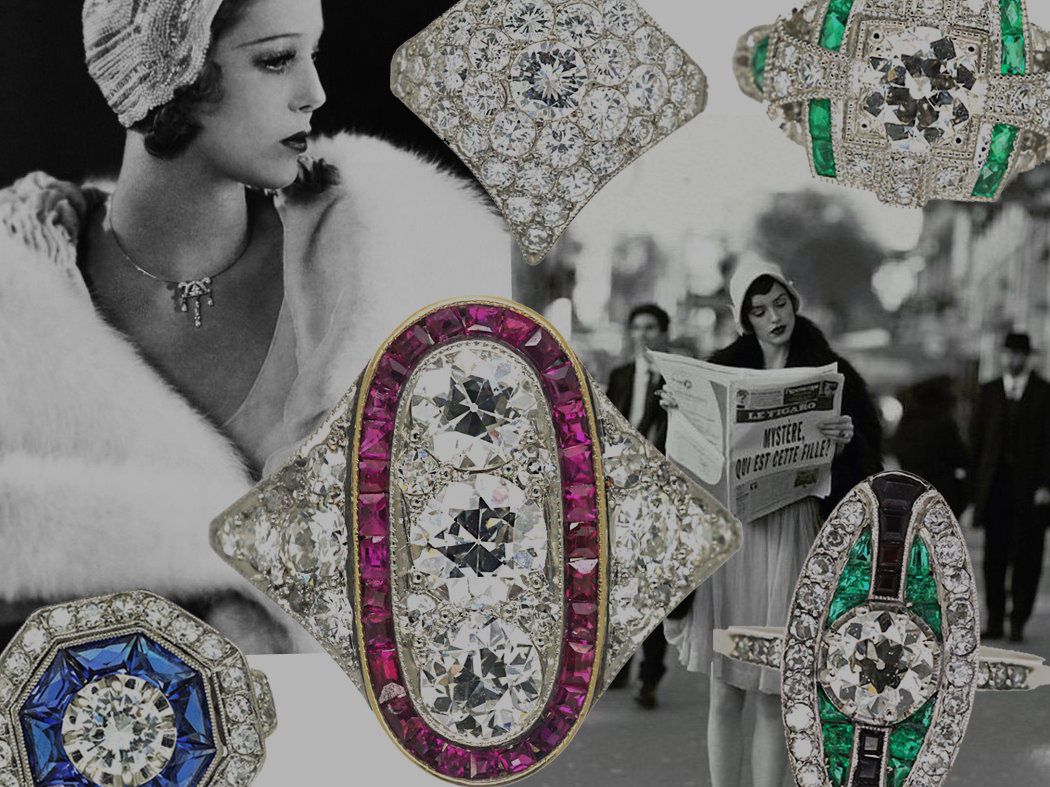
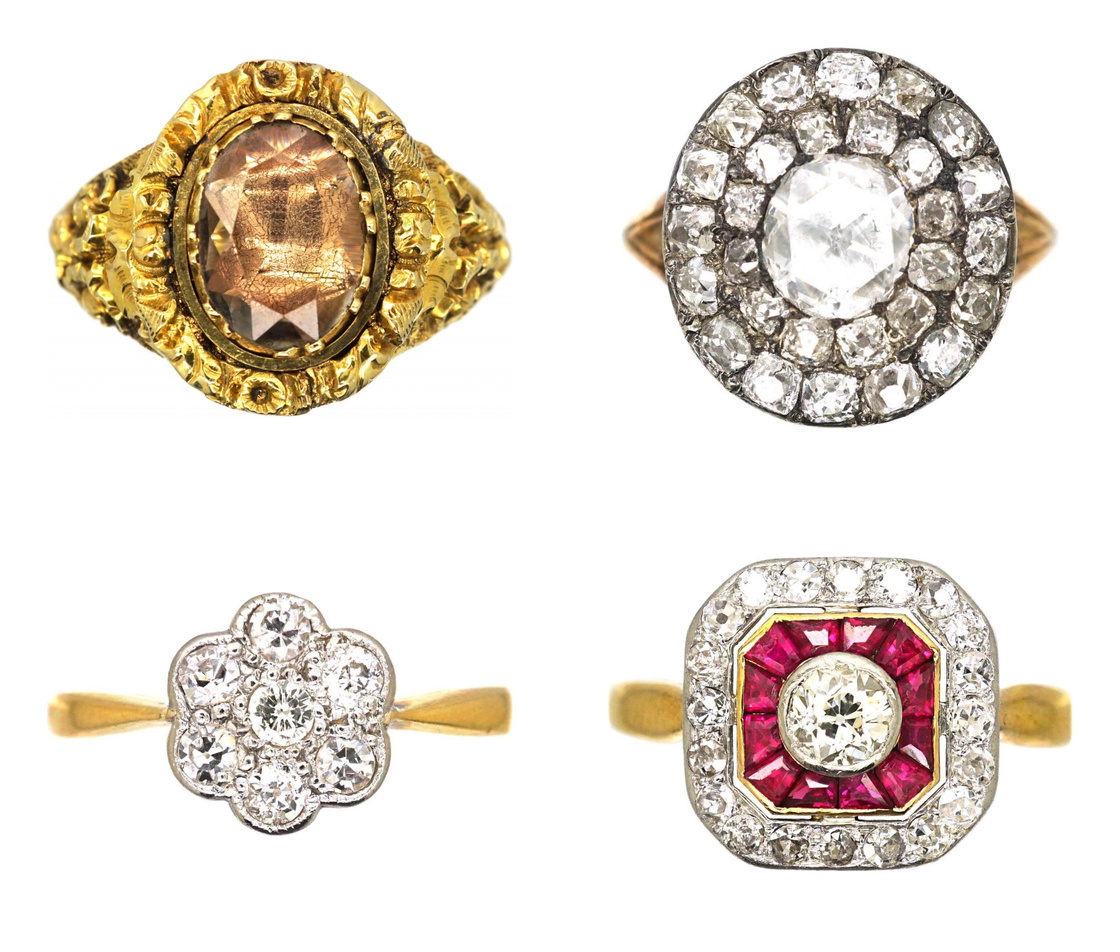
Georgian jewellers often set stones in closed-back settings over coloured foil to heighten their colour. Victorians set diamonds in silver-topped gold, and later in claws. The Edwardians used platinum to make fine claws and millegrain edges; Art Deco jewellers perfected calibré and channel setting. Every stone was cut by hand, too, which is why old mine cut diamonds have such individual character.
Why it matters today
Many of these skills are now rare and expensive. Reproducing the handwork in a Georgian cannetille brooch or a Victorian enamel locket would cost far more than the antique original, which is one reason antique jewellery offers such remarkable value.
Our view
Look closely at any good antique jewel and you will see the hand of its maker. That, more than anything, is what makes it worth owning. Read more in our guides to Georgian jewellery and antique hallmarks.