Diamond Engagement Rings
 Sapphire Engagement Rings
 Emerald Engagement Rings
 Ruby Engagement Rings
 Rings
Rings
 Earrings
 Necklaces
 Brooches
 Bracelets & Bangles
 Cufflinks
 Pendants
 Chains
 Tie Pins
 Lockets
 Charms
 Signet Rings
 Seals
Seals
 Curiosities
 UK / £
 USA / $
 AU / $


 Experts since 1975

-
Your Shopping Bag is empty

 Free Worldwide Delivery
 View All
 Diamond
 Sapphire
 Emerald
 Ruby
Ruby





A Short History of Wedding Rings
A plain gold band is one of the simplest objects in jewellery, and one of the oldest. The wedding ring has been exchanged, in one form or another, for thousands of years, and the antique bands we sell today are part of a very long story.
Ancient origins
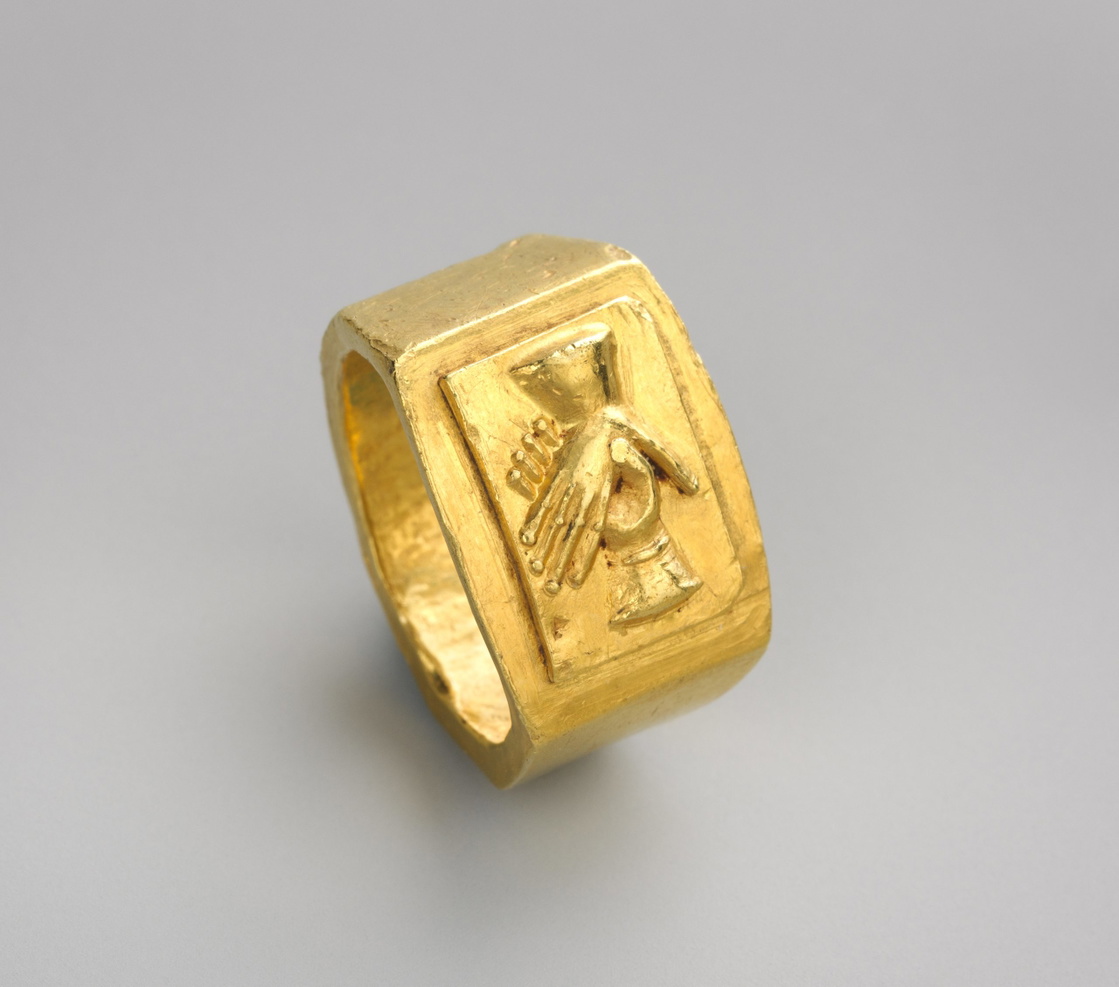
Rings were given as a sign of commitment in the ancient world, and the circle, with no beginning and no end, has long stood for eternity. The Romans gave rings at betrothal, early ones in iron and later in gold, and it was the Romans who believed the fourth finger of the left hand was linked to the heart. We explain that belief in which finger a wedding ring goes on.
The medieval wedding ring
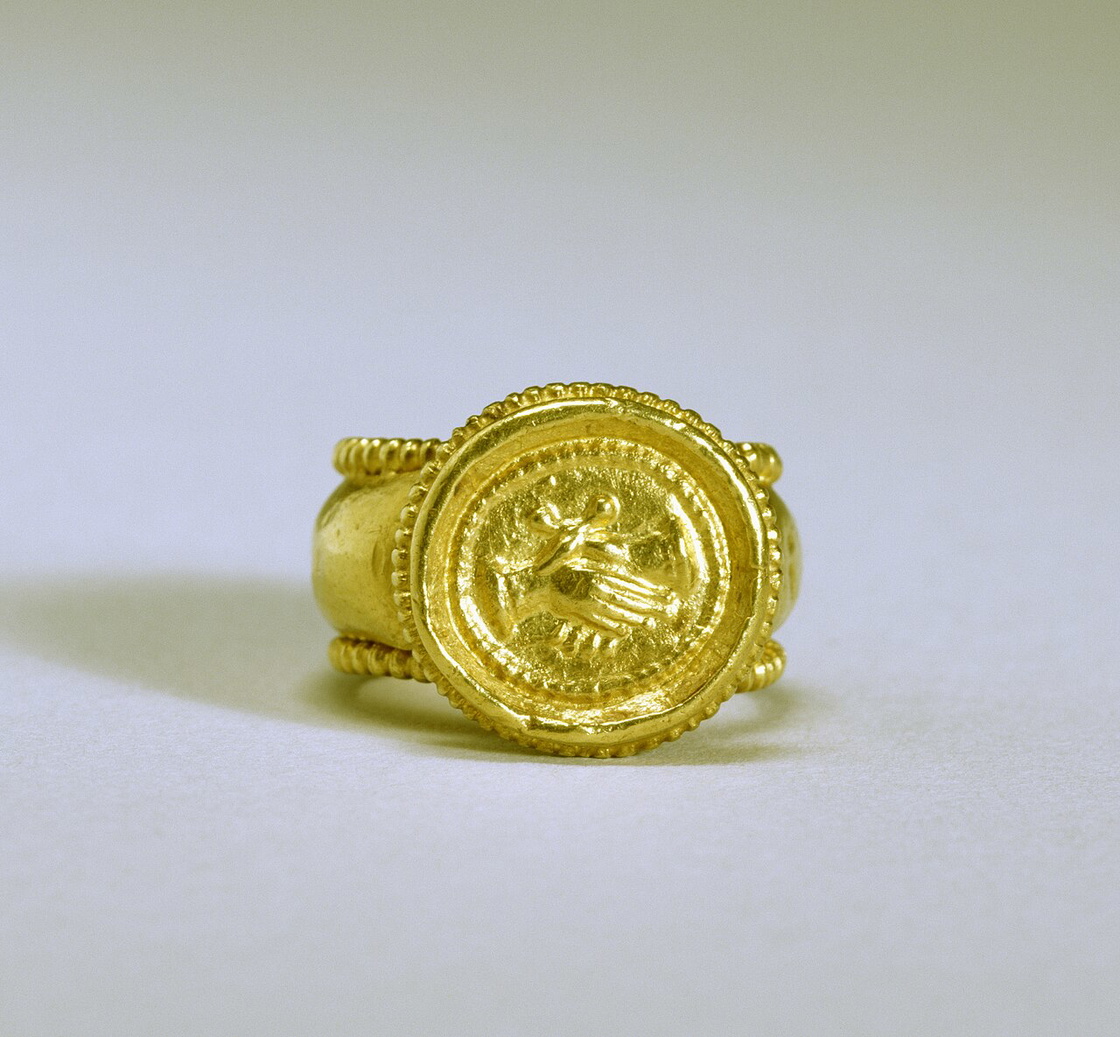
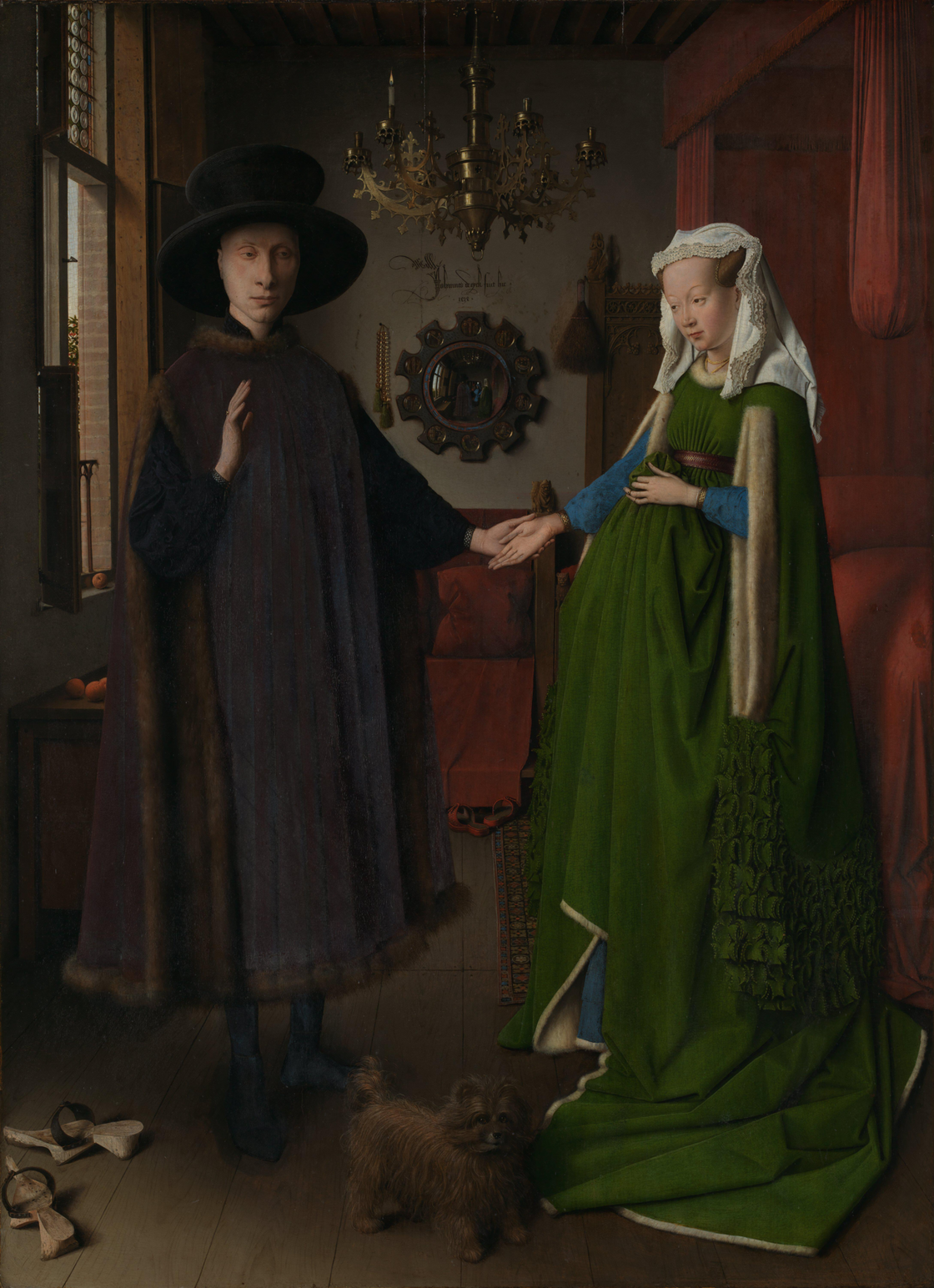
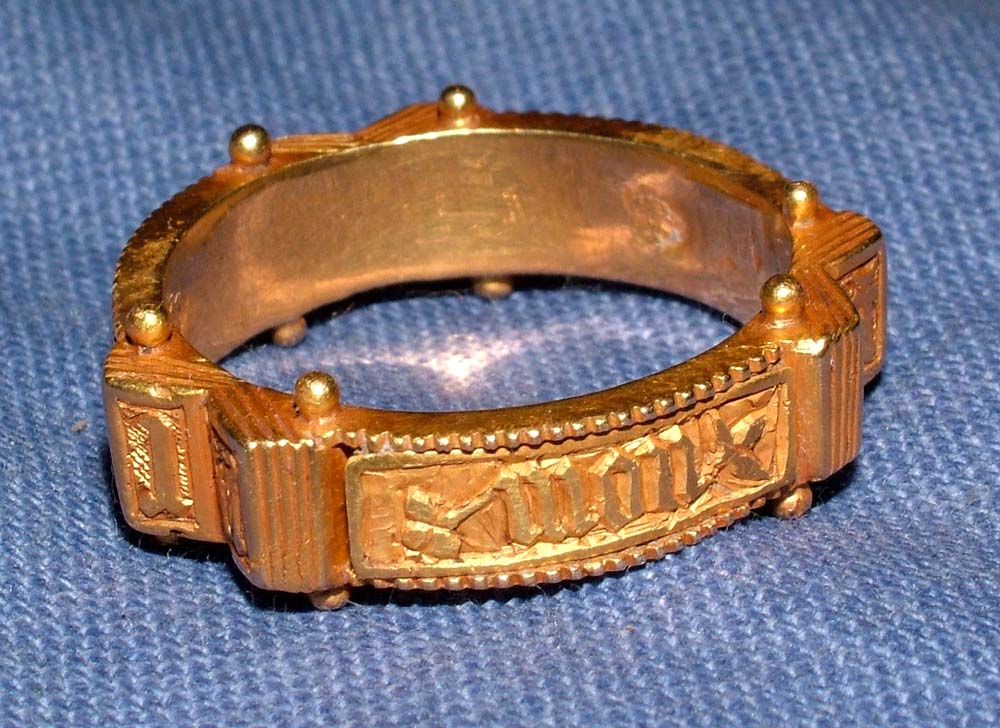
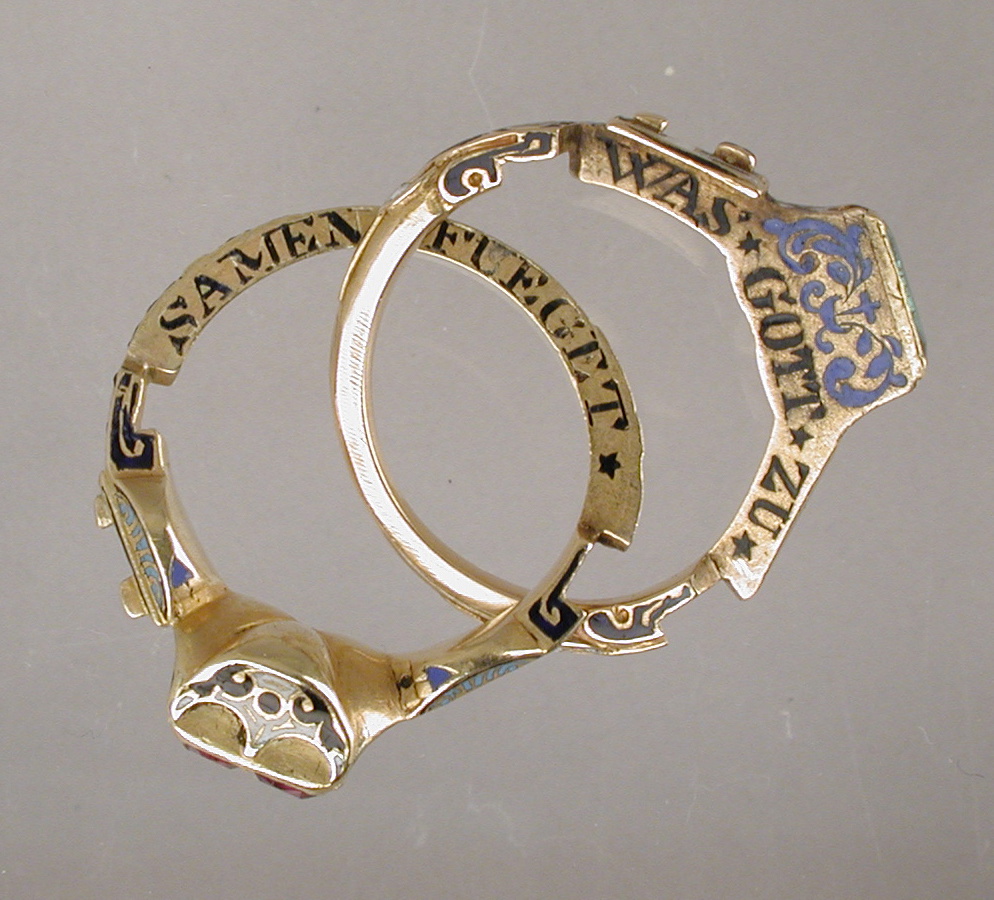
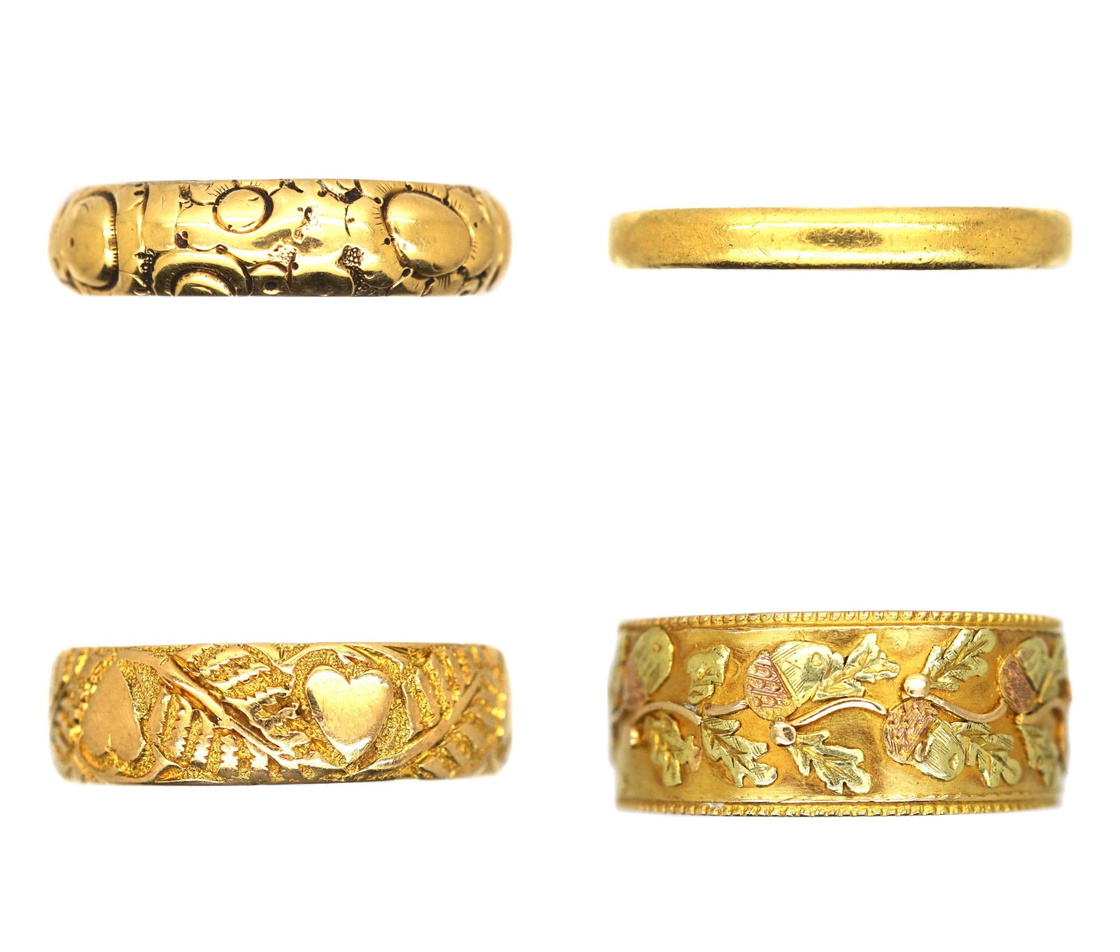
By the Middle Ages the ring had become part of the Christian marriage service. Rings were often engraved inside with a short verse, the posy ring, and the sixteenth and seventeenth centuries also produced gimmel rings, two or three interlocking hoops that fitted together as one, sometimes divided between the couple during the engagement and reunited at the wedding. Fede rings, with clasped hands, were given as both betrothal and wedding rings.
The Georgian and Victorian gold band
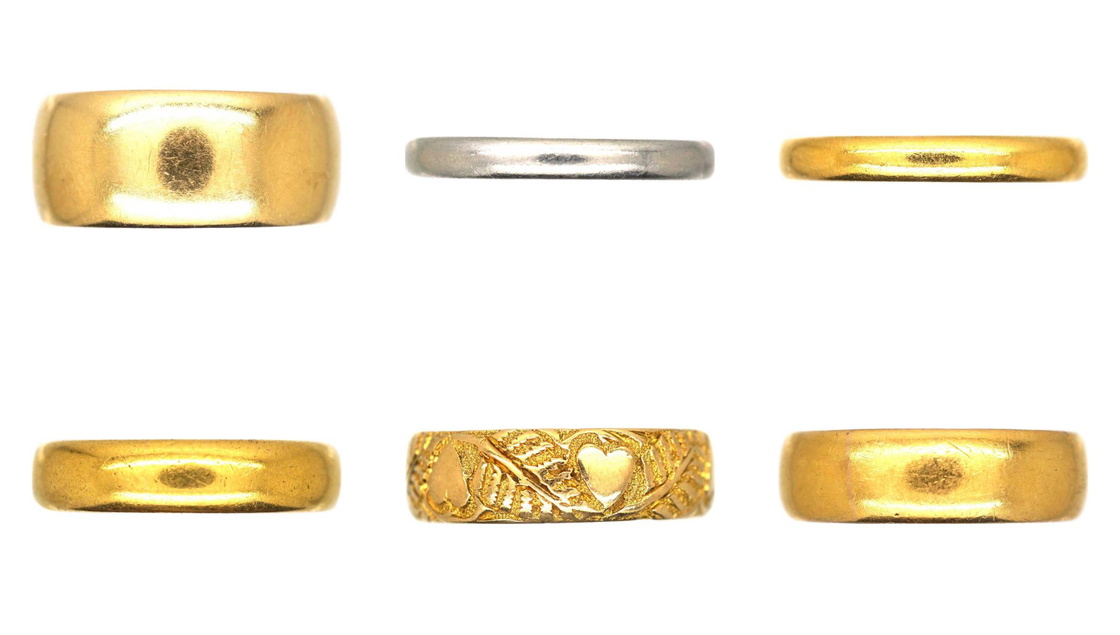
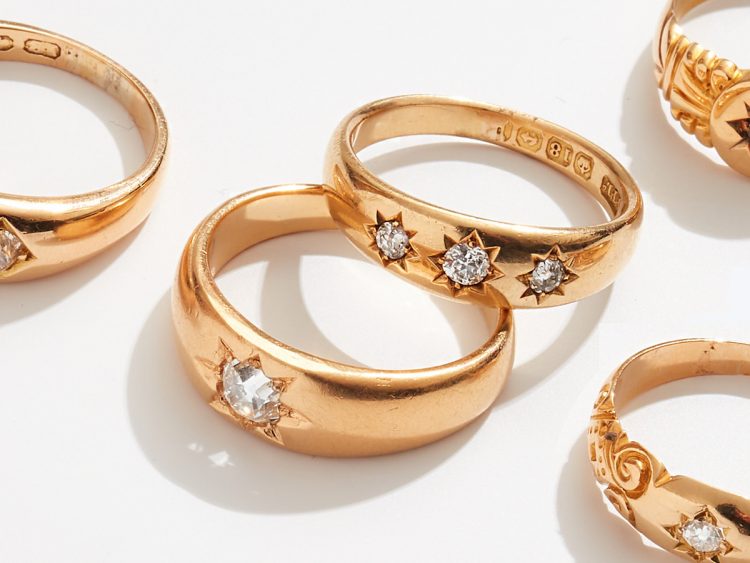
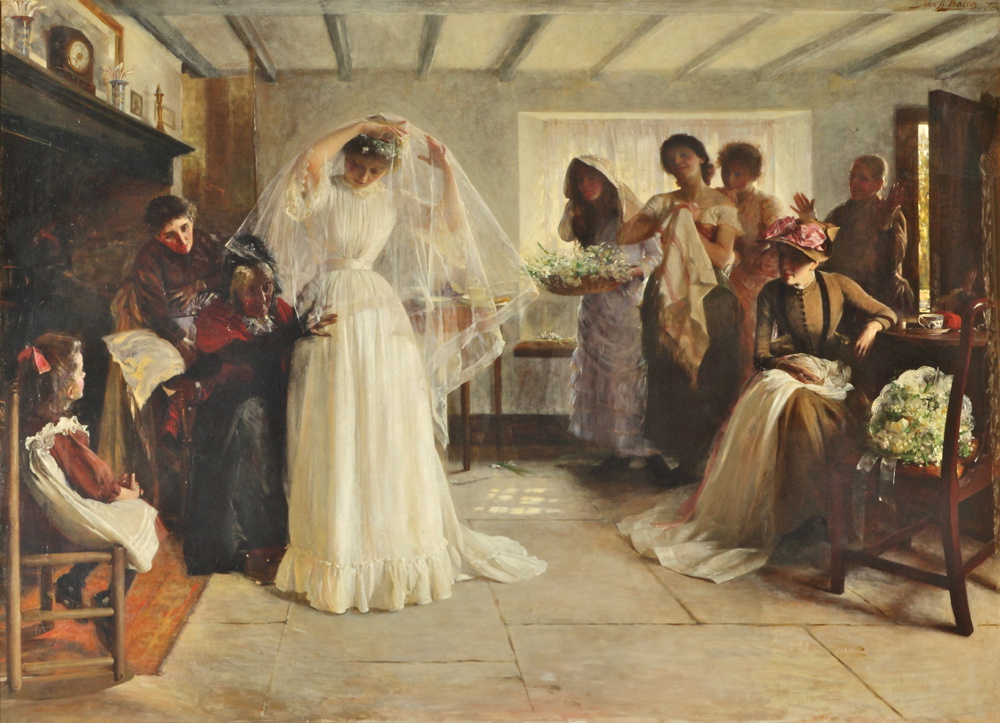
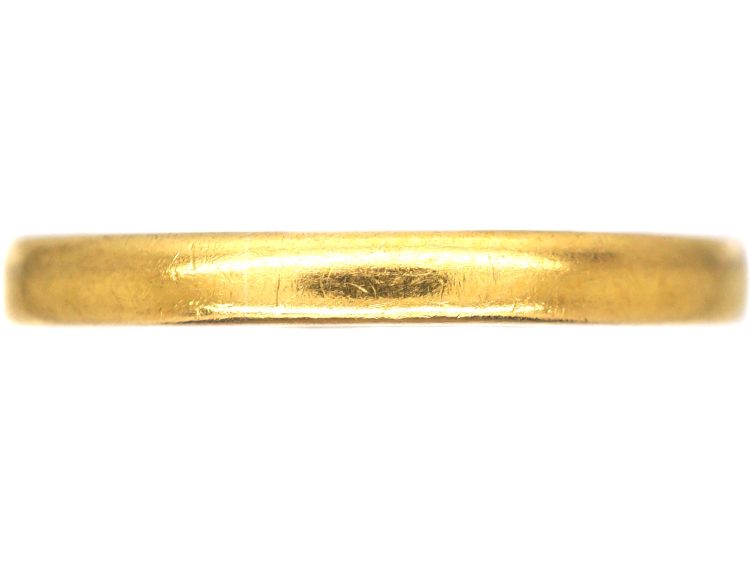
By the eighteenth century the plain gold band had become the standard British wedding ring. For most of the nineteenth century it was made in 22ct gold, rich yellow and soft enough to wear smooth over a lifetime; slimmer 18ct rings became more common later. Because British wedding rings were hallmarked, most antique bands can be dated to the year they were assayed, like this William IV wedding ring assayed in 1832.
An old wedding ring worn thin and smooth is the most romantic object I know. Somebody wore that every day of their married life.
Olly Gerrish, AJC Founder
The twentieth century
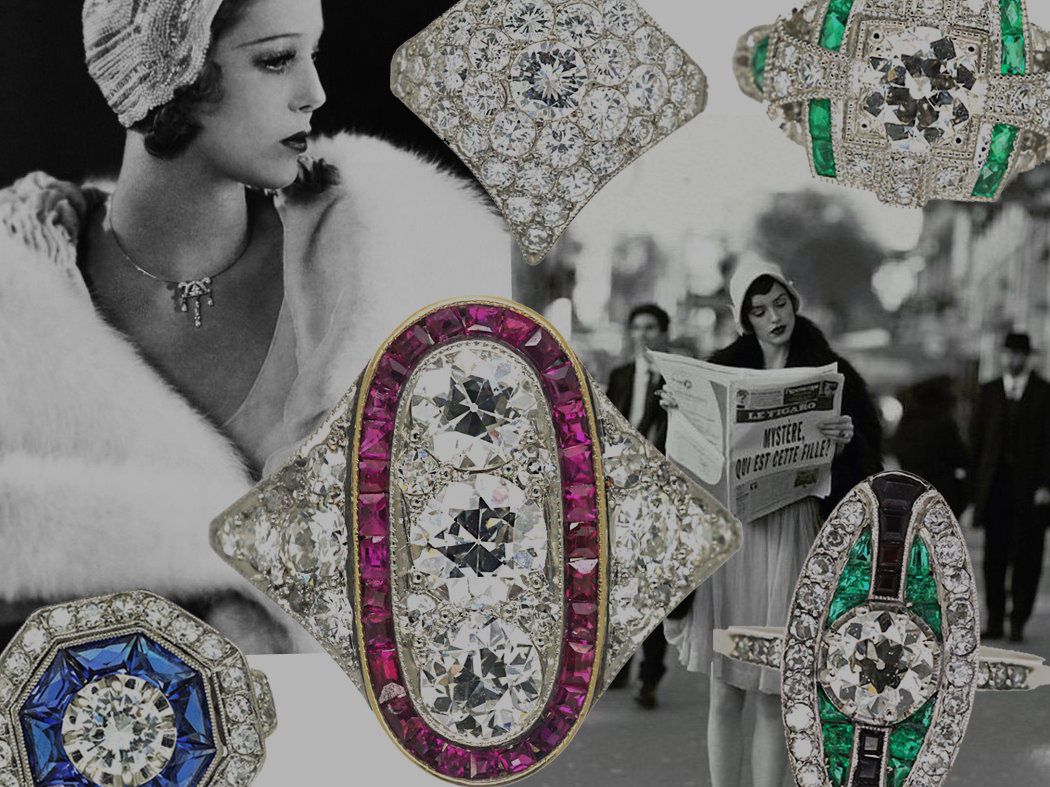
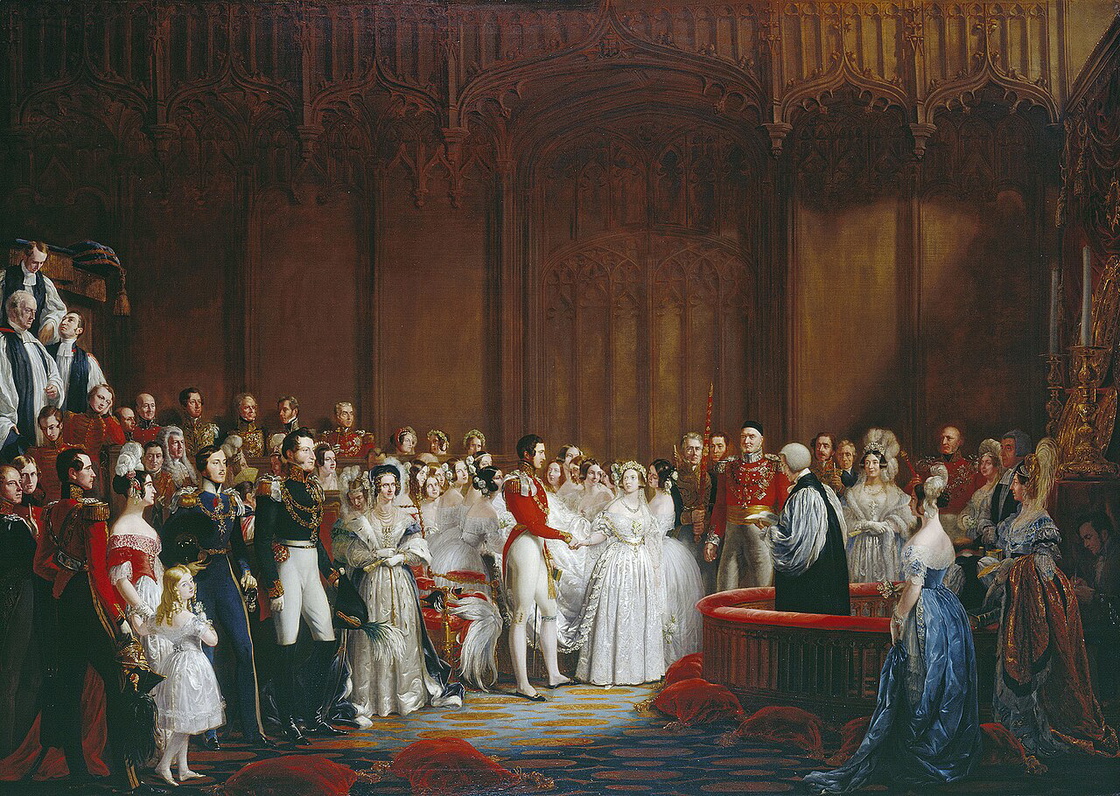
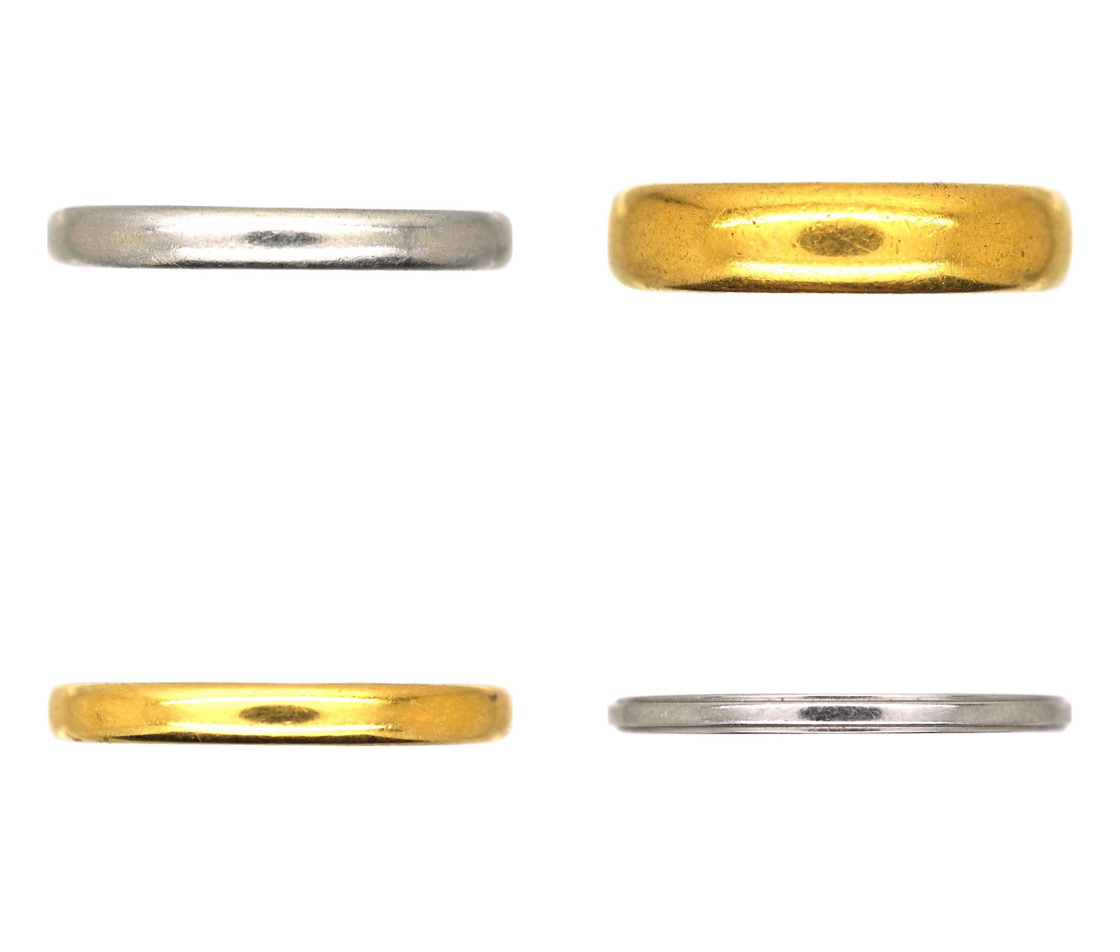
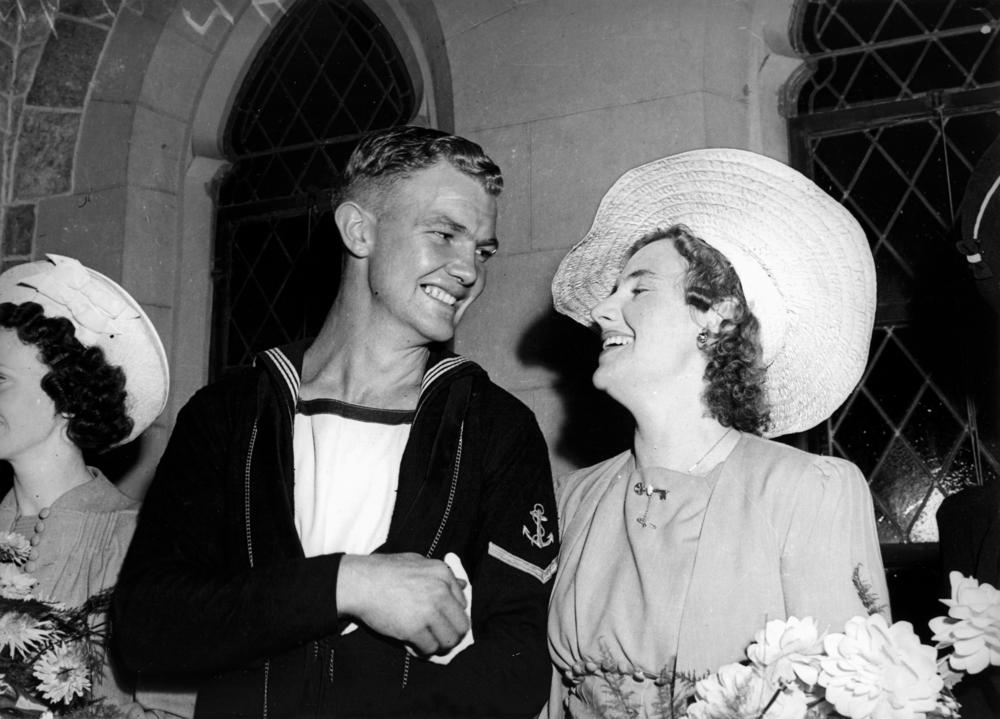
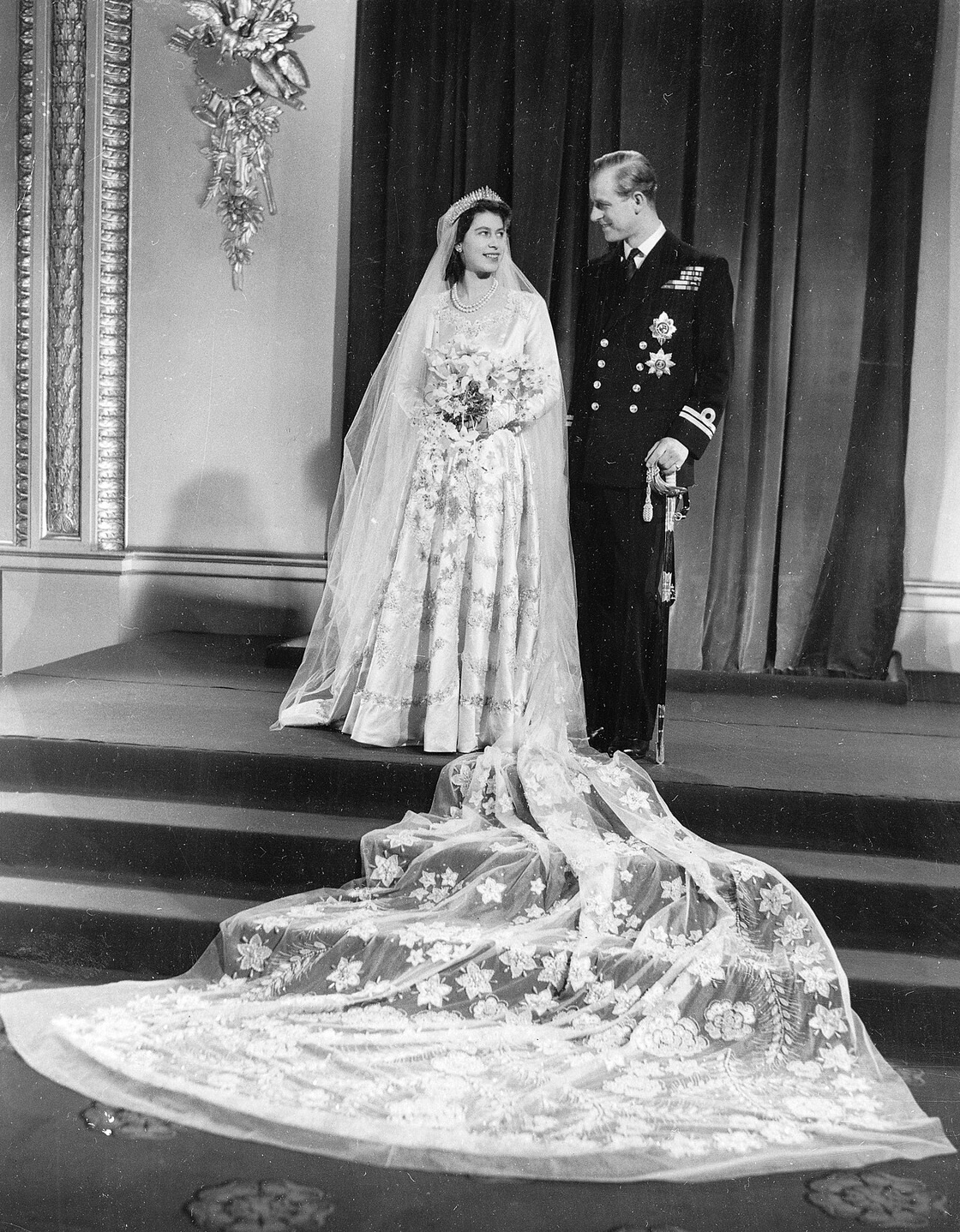
Platinum wedding rings arrived with the Edwardians and became popular in the 1920s and 1930s. Wide 22ct bands remained a British favourite well into the twentieth century. The double-ring ceremony, with the groom also wearing a ring, became widespread only during and after the Second World War, when many servicemen wanted a reminder of home.
Wedding rings today
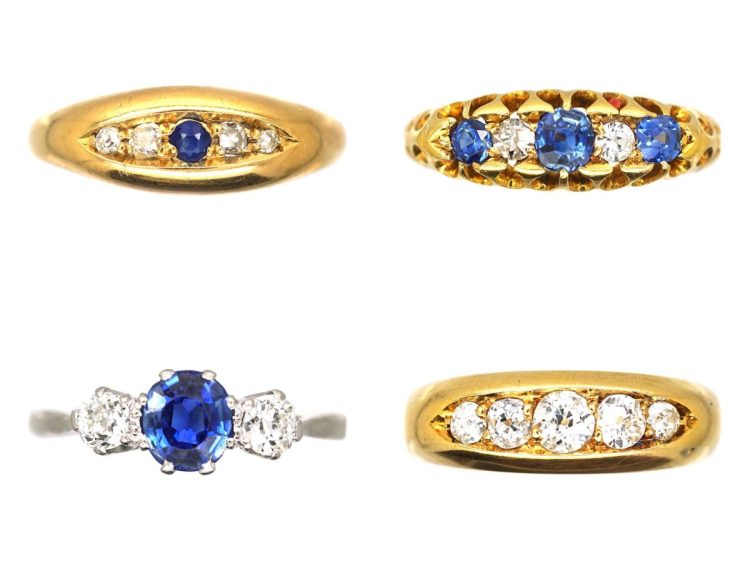
Today couples choose everything from plain bands to diamond eternity rings, and many choose an antique ring for its history and character. An old band, dated by its hallmark to a year that means something, is one of the most personal choices there is. Our guide to reading antique hallmarks explains how to date one.
Our view
A good antique gold band has already proved it can last a lifetime. We would choose one for its colour, its weight and, if possible, a date that tells a story. For earlier history, see a history of the engagement ring.
An old wedding ring worn thin and smooth is the most romantic object I know. Somebody wore that every day of their married life.
Olly Gerrish, AJC Founder