Diamond Engagement Rings
 Sapphire Engagement Rings
 Emerald Engagement Rings
 Ruby Engagement Rings
 Rings
Rings
 Earrings
 Necklaces
 Brooches
 Bracelets & Bangles
 Cufflinks
 Pendants
 Chains
 Tie Pins
 Lockets
 Charms
 Signet Rings
 Seals
Seals
 Curiosities
 UK / £
 USA / $
 AU / $


 Experts since 1975

-
Your Shopping Bag is empty

 Free Worldwide Delivery
 View All
 Diamond
 Sapphire
 Emerald
 Ruby
Ruby





A History of the Engagement Ring
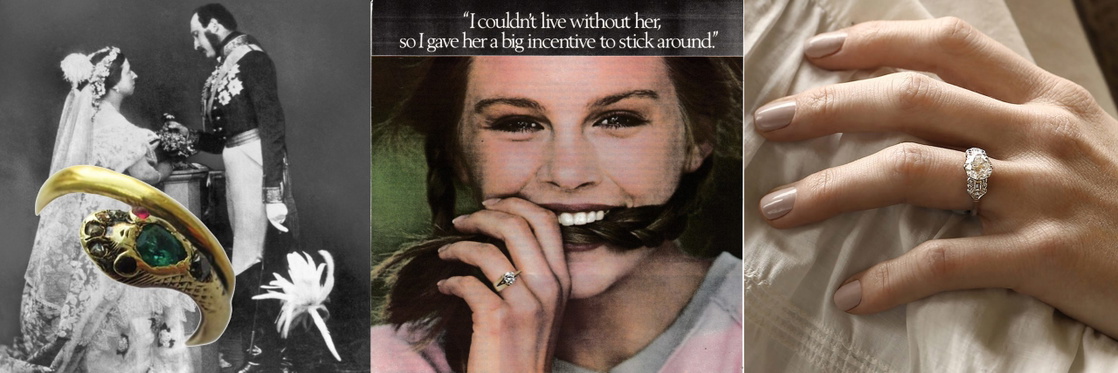
The engagement ring feels timeless, but most of what we take for granted about it is surprisingly recent. The idea of a ring as a promise goes back thousands of years; the diamond solitaire as the default is little more than a century old. Here is how we got from one to the other, and where antique rings fit into the story.
Ancient origins
Rings have symbolised commitment for a very long time. The ancient Egyptians are often credited with seeing the circle as a symbol of eternity, and rings of plaited reeds, leather and later metal appear in many early cultures. The idea that the fourth finger of the left hand connects directly to the heart, the vena amoris, came later, from the Romans. Our article on which finger a wedding ring goes on tells that story.
The Romans: from symbol to contract
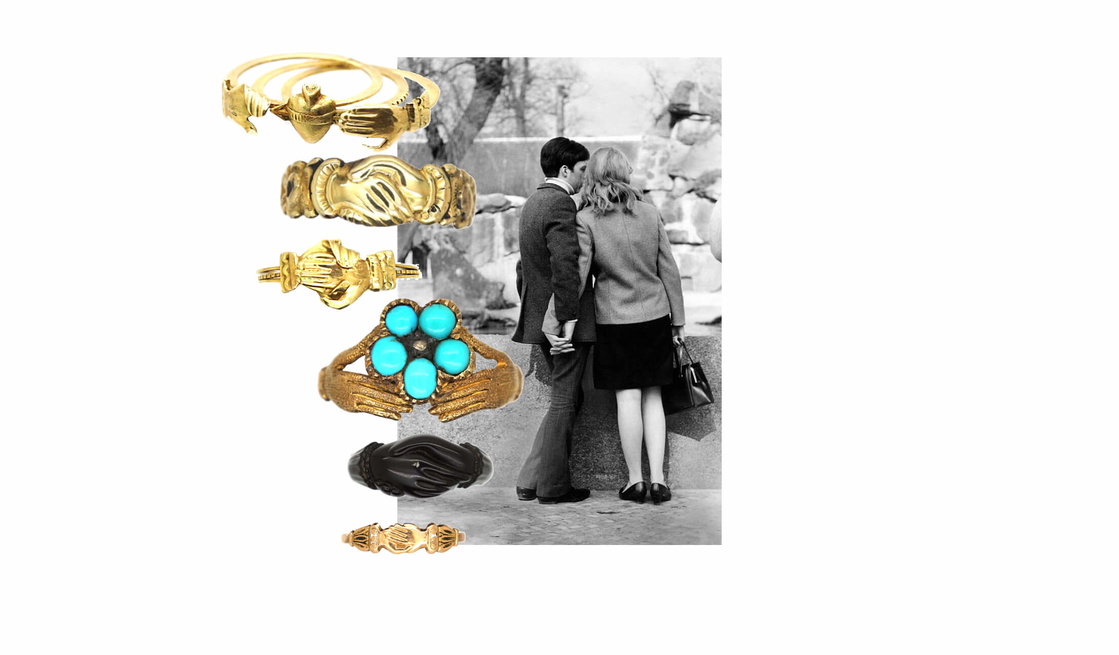
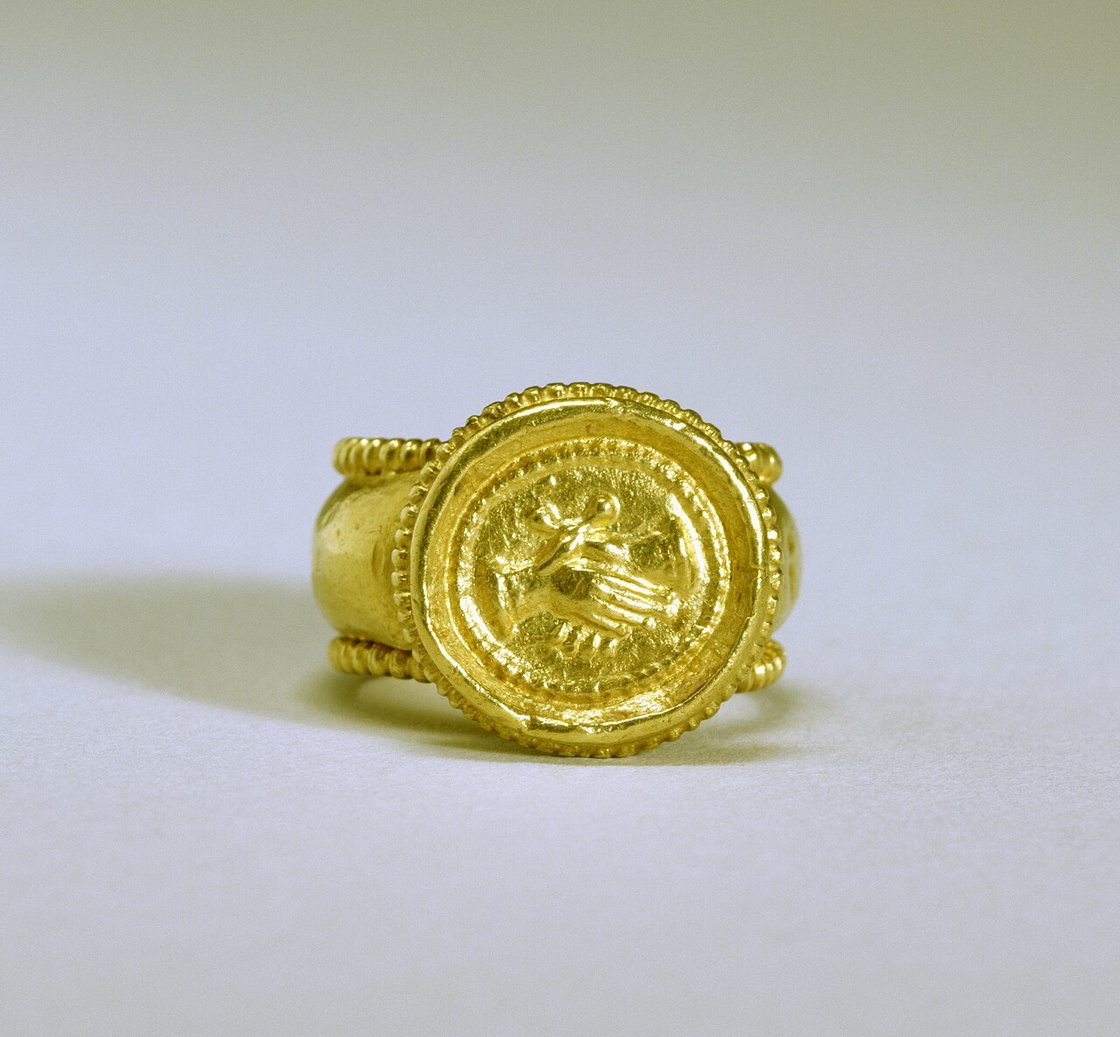
In Rome, a ring given at betrothal was as much a sign of a formal agreement as of love. Early betrothal rings were often of iron, later of gold. The Romans also gave us the fede ring, from the Italian mani in fede, hands joined in faith: two clasped hands, a design that survived for centuries and became the ancestor of the Irish Claddagh.
Medieval Europe: love and courtship
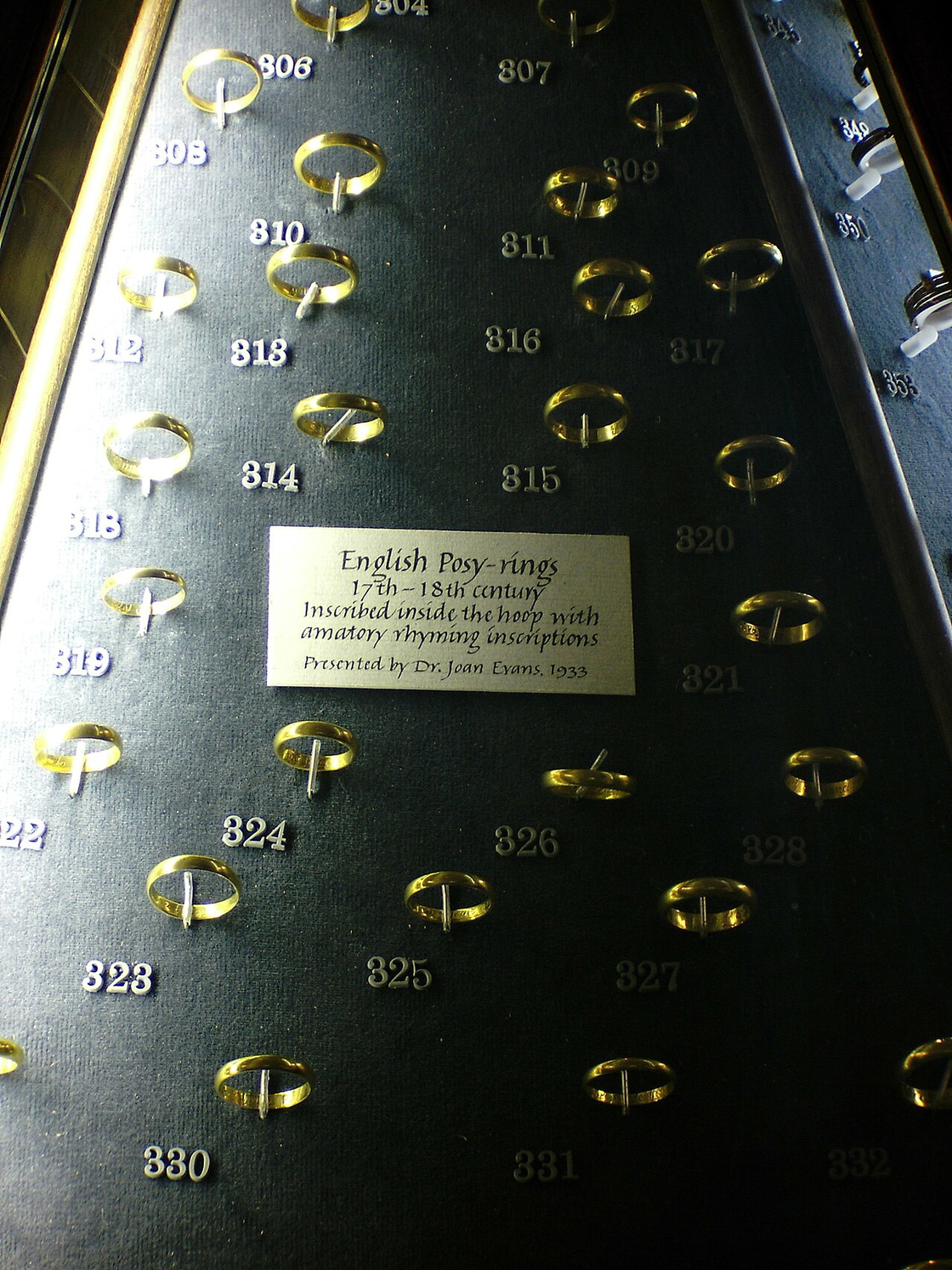
By the Middle Ages, rings had become part of Christian marriage, and they were increasingly personal. Posy rings, plain gold bands engraved inside with a short verse or motto such as “Let love abide”, were given from the fifteenth to the seventeenth centuries, and are among the most touching rings to survive.
The Renaissance and the first diamond engagement ring
In 1477, Archduke Maximilian of Austria gave Mary of Burgundy a ring set with diamonds in the shape of the letter M, often called the first recorded diamond engagement ring. For the next three centuries diamonds remained the preserve of royalty and the very rich, and most engagement rings were set with coloured stones, or with none at all.
Georgian, Victorian and Edwardian rings
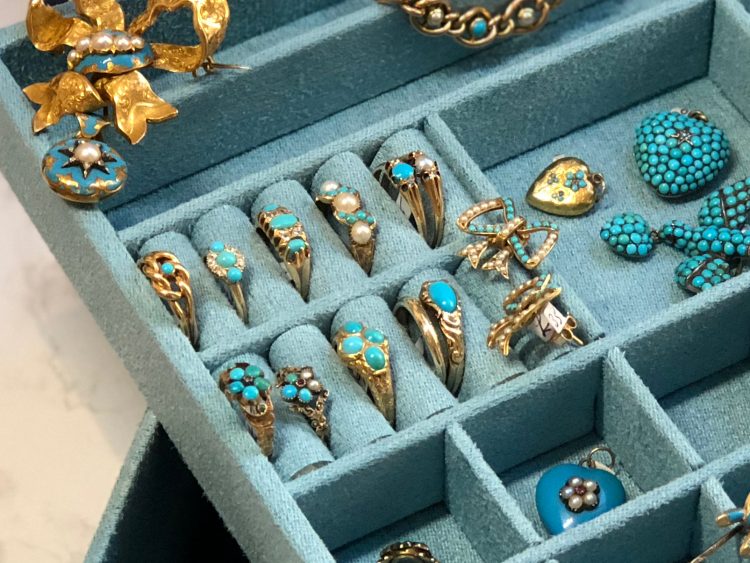
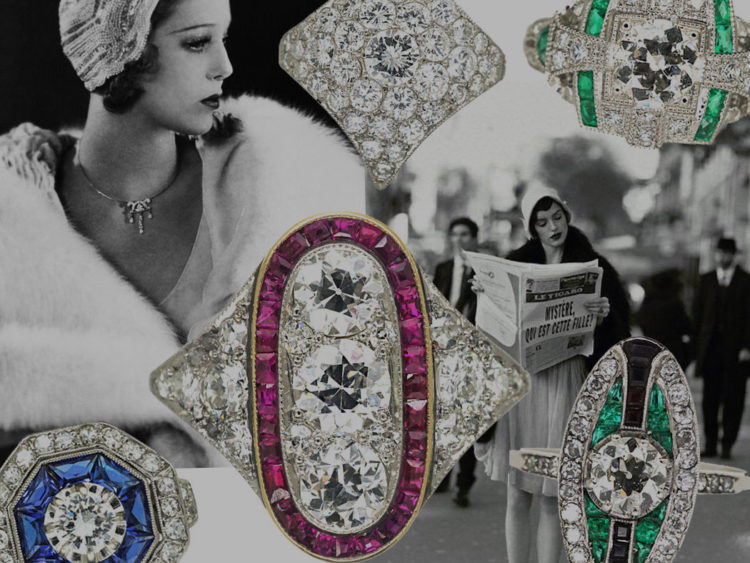
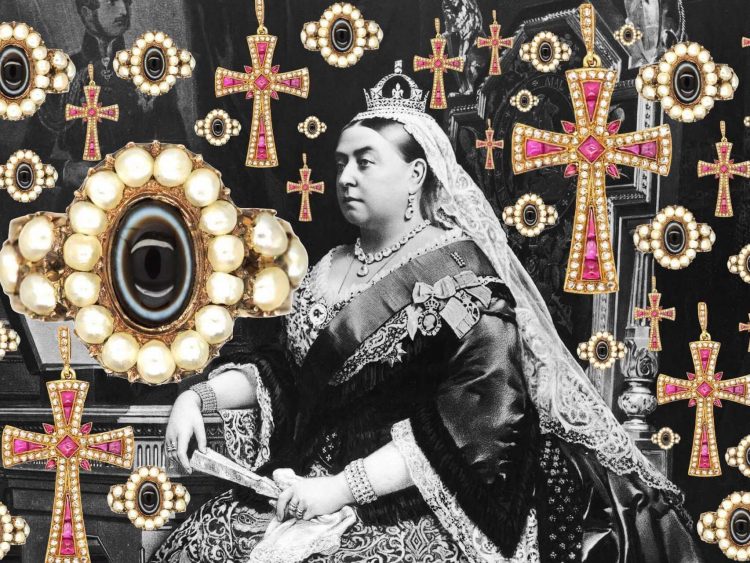
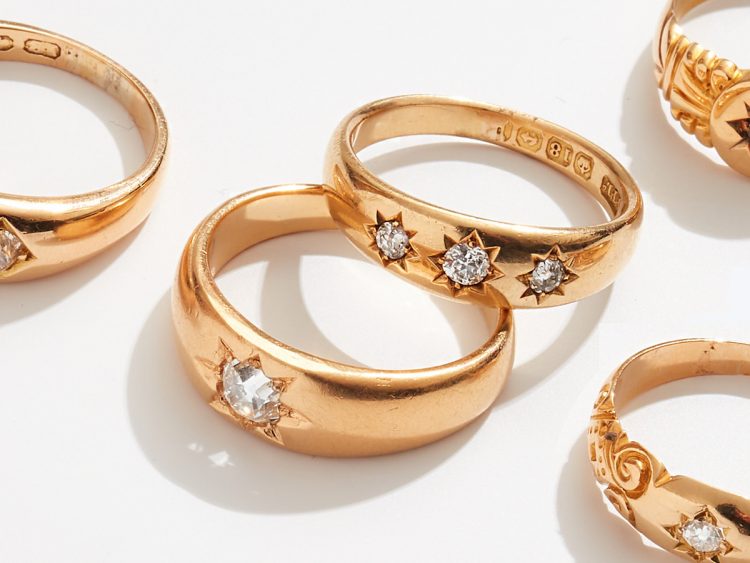
The eighteenth and nineteenth centuries are where antique engagement rings really begin. Georgian jewellers made clusters of foiled diamonds and coloured stones in closed-back settings, and sentimental rings such as regard rings, which spelled messages in gemstones. In 1839 Prince Albert gave Queen Victoria an engagement ring in the form of a snake set with an emerald, and serpent rings became the height of fashion. The discovery of diamonds in South Africa in the 1860s and 1870s made diamonds far more widely available, and by the Edwardian period platinum allowed jewellers to set them in the fine, lacy mounts that still look so elegant today.
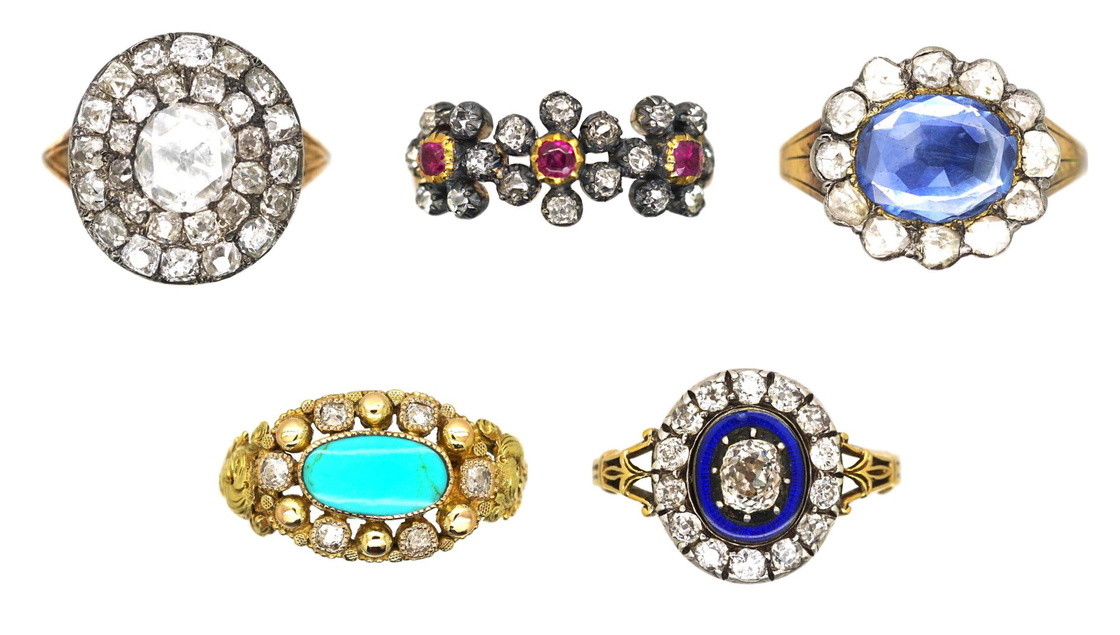
Every antique engagement ring was somebody’s promise once. I think that’s the loveliest thing about them: you’re not starting a story, you’re continuing one.
Olly Gerrish, AJC Founder
The modern era: the diamond campaign
The diamond solitaire’s dominance owes a great deal to advertising. In 1947 De Beers launched its campaign with the line “A Diamond Is Forever”, and over the following decades a diamond engagement ring became the expected norm in much of the world, along with the idea of spending a set proportion of a salary on it.
Royal engagement rings
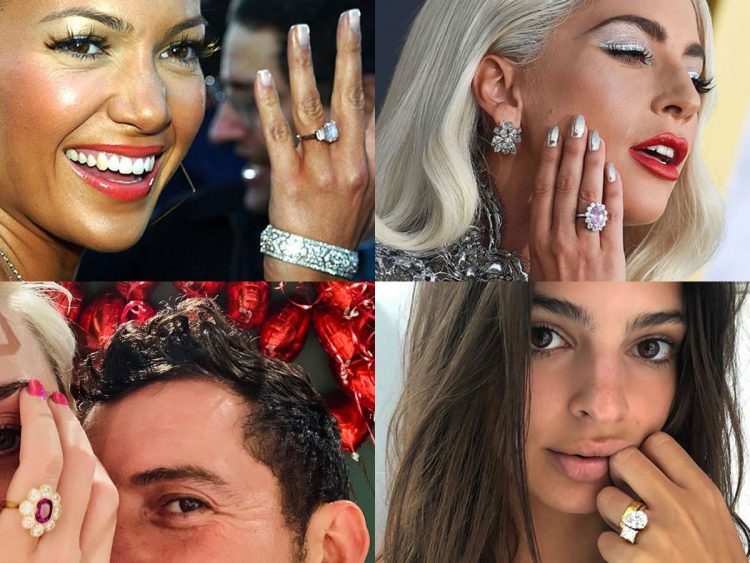
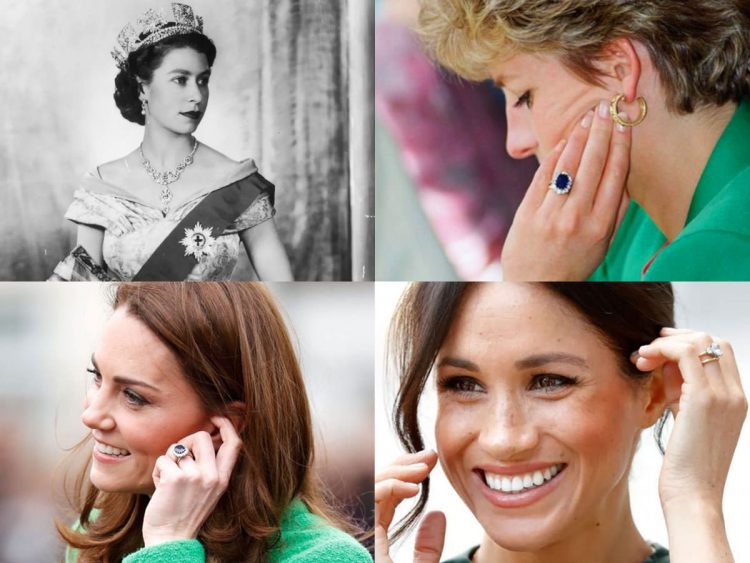
Royal rings have always set trends: Queen Victoria’s serpent, Princess Diana’s sapphire cluster, now worn by the Princess of Wales, and Meghan’s three-stone ring. Our article on the most iconic royal engagement rings covers them in detail.
Different customs around the world
Traditions vary widely. In parts of northern and eastern Europe the ring is worn on the right hand; in some countries, engagement and wedding rings are the same ring, moved from one hand to the other at the wedding; and in many cultures the betrothal is marked with other jewellery altogether.
Today: individuality and sustainability
More and more couples now want a ring that is individual rather than standard, and one that doesn’t require anything new to be mined. Both are reasons antique engagement rings are more popular now than at any time in our fifty years. We explain the environmental case in why antique diamonds are the ethical choice.
Our view
The history of the engagement ring is a reminder that there is no single right way to do it. Coloured stones, clusters, sentimental rings and diamonds of every cut all have a long and honourable history. Choose the ring that means something to you, and if it has already meant something to someone else, so much the better.
Explore the collection
- Antique engagement rings
- Georgian rings
- Victorian engagement rings
- Edwardian engagement rings
- Art Deco engagement rings