Diamond Engagement Rings
 Sapphire Engagement Rings
 Emerald Engagement Rings
 Ruby Engagement Rings
 Rings
Rings
 Earrings
 Necklaces
 Brooches
 Bracelets & Bangles
 Cufflinks
 Pendants
 Chains
 Tie Pins
 Lockets
 Charms
 Signet Rings
 Seals
Seals
 Curiosities
 UK / £
 USA / $
 AU / $


 Experts since 1975

-
Your Shopping Bag is empty

 Free Worldwide Delivery
 View All
 Diamond
 Sapphire
 Emerald
 Ruby
Ruby





Antique Diamonds vs Ethically Sourced Diamonds: Why Antique Wins
Antique jewellery and ethically-sourced diamonds both aim to please new eco-conscious shoppers. But which is best? Here are the answers.
Diamonds may be forever, but mining them has a cost. More and more of the couples who come to the Townhouse want a diamond they can feel good about, and many have been told that “ethically sourced” new diamonds or lab-grown stones are the answer. We think there is a simpler one: a diamond that was mined, cut and set a century or more ago.
1. Sustainability
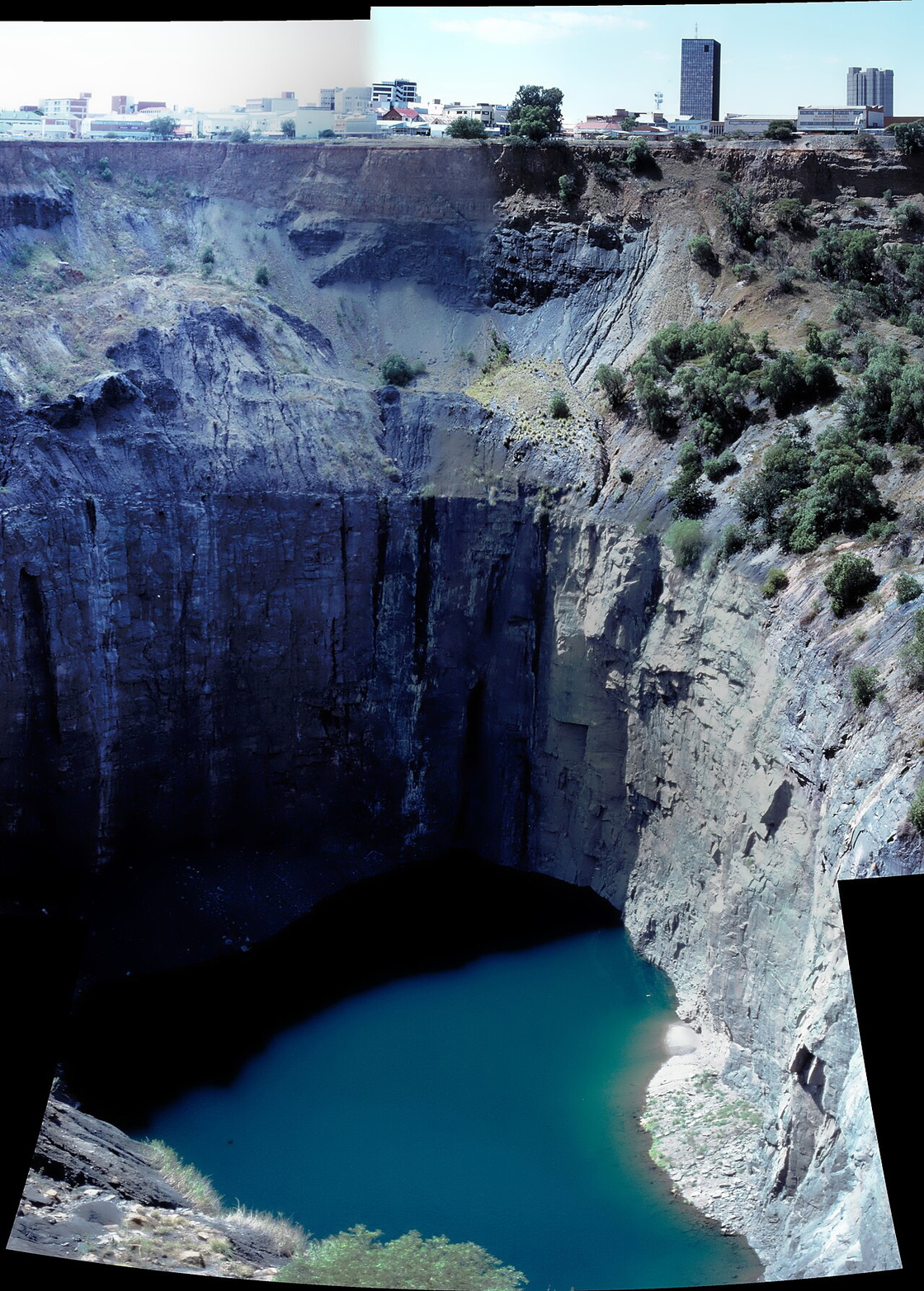
An antique diamond requires no new mining at all. It has already been dug, cut and polished, often by hand, and choosing it simply gives it another life. Even responsibly mined new diamonds involve moving large quantities of earth, and lab-grown diamonds, though they avoid mining, require a great deal of energy to produce. For an antique diamond, the environmental cost was paid long ago. You can read more about our approach on our ethical page.
2. Character and history
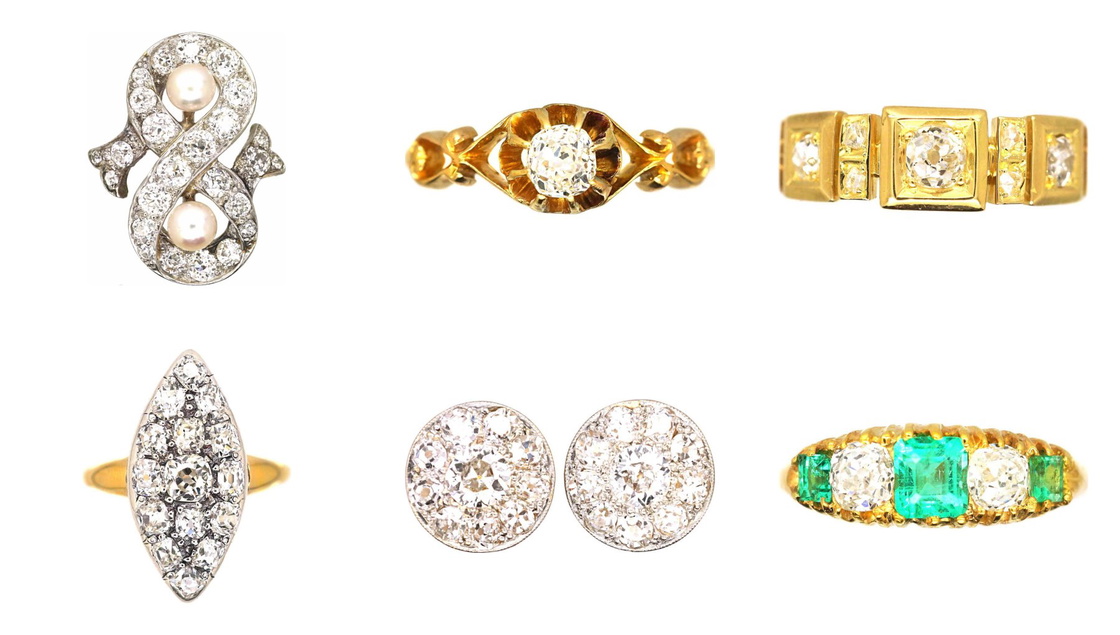
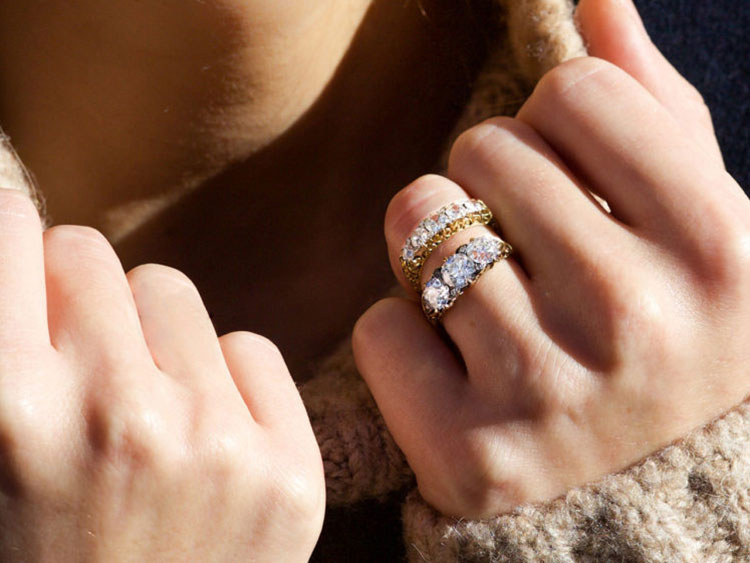
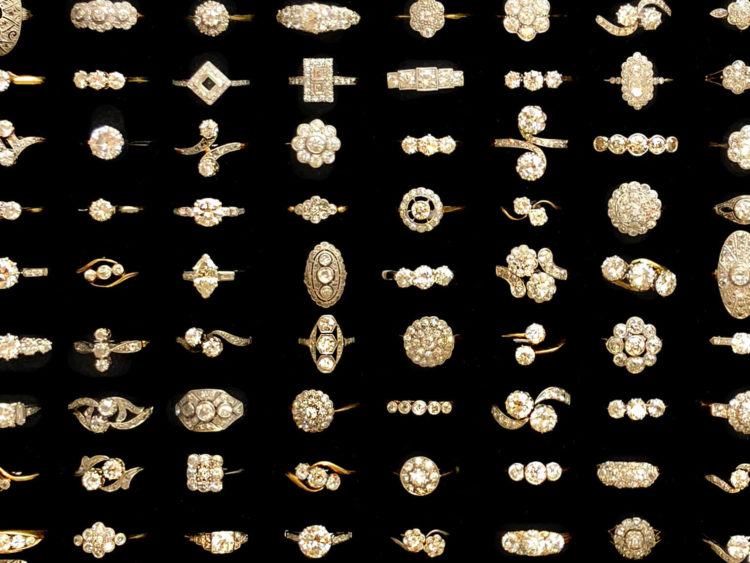
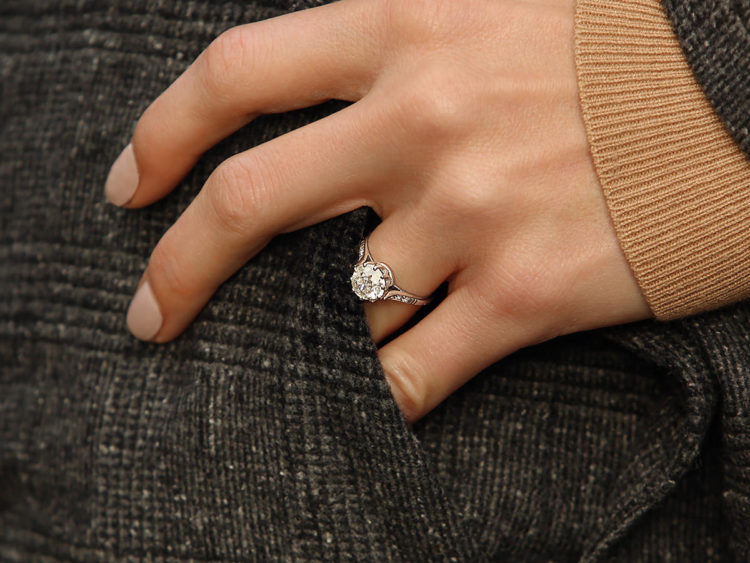
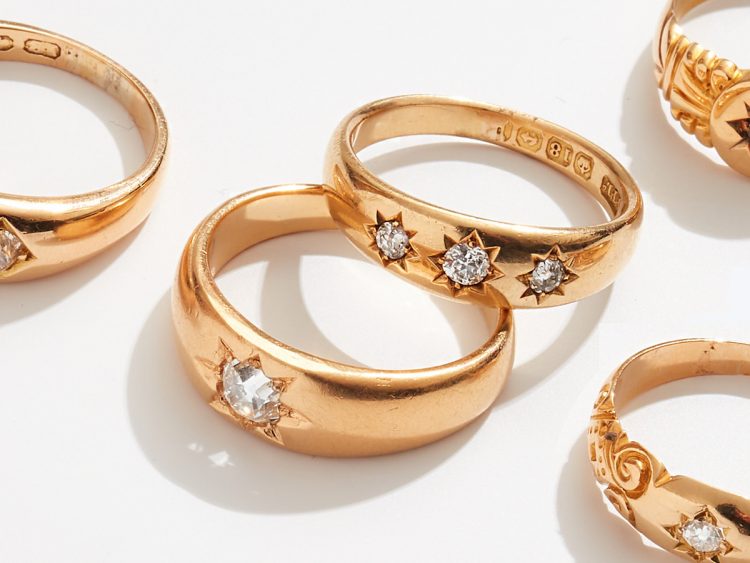
Old diamonds were cut by eye, to make the most of each individual stone, so no two are the same. An old mine cut or old European cut diamond has a warmth and a broad, flashing fire that modern cutting rarely aims for, and it carries a history that no new stone can.
3. Craftsmanship
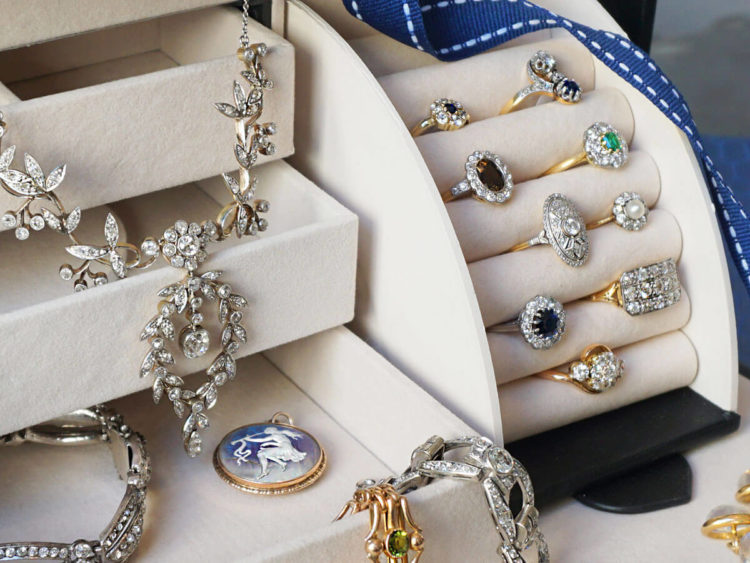
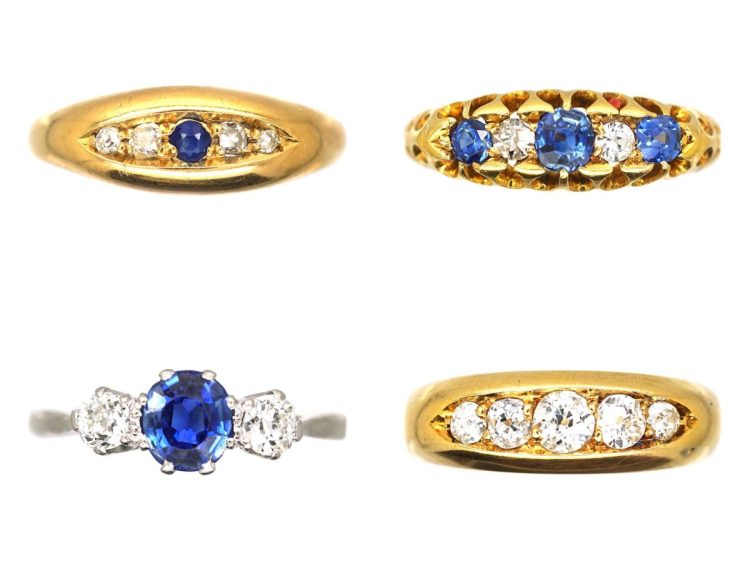
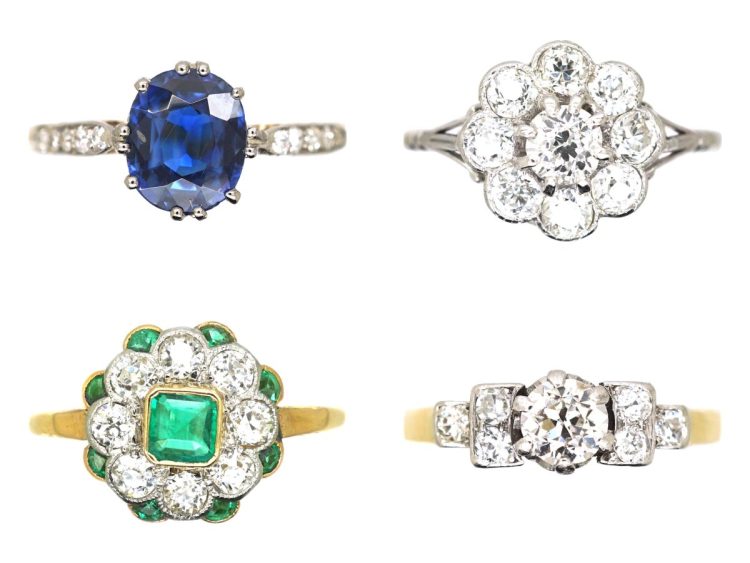
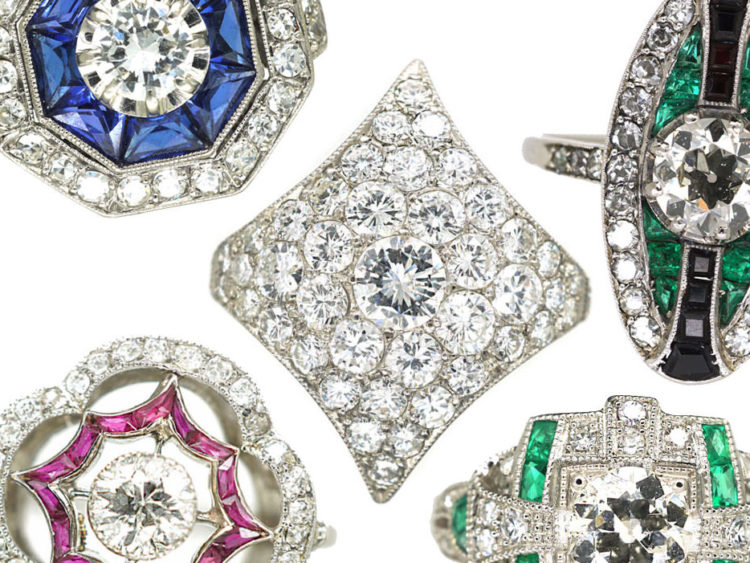
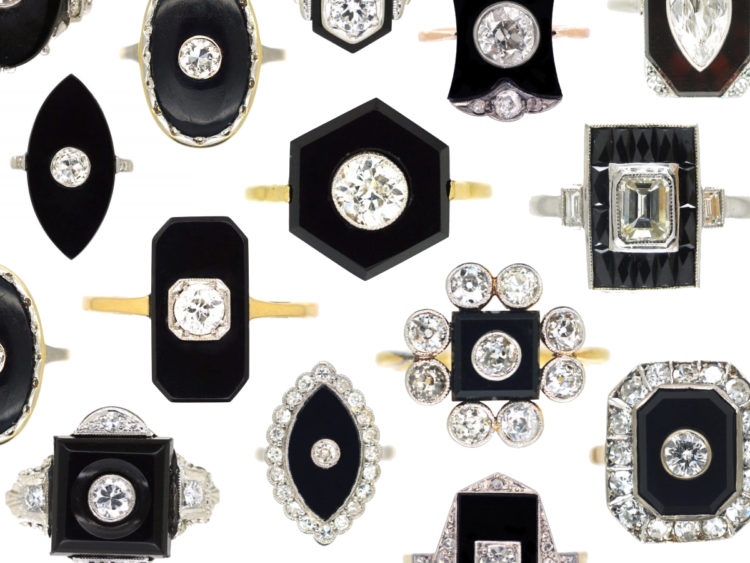
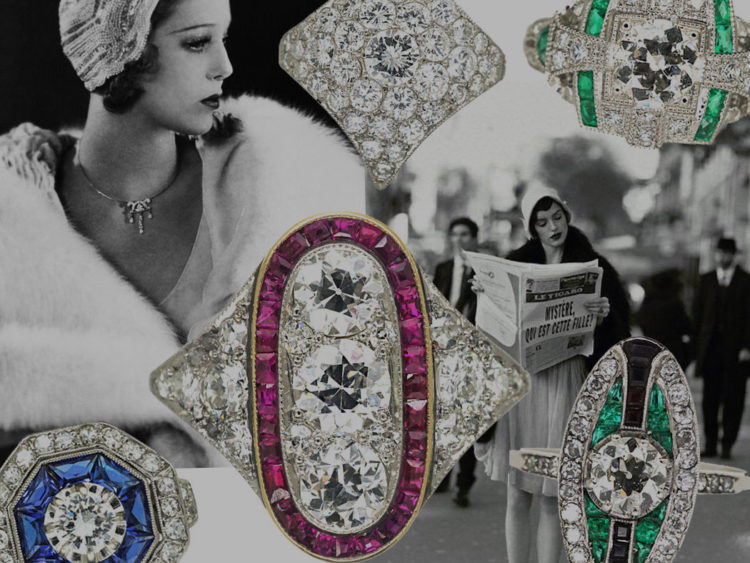
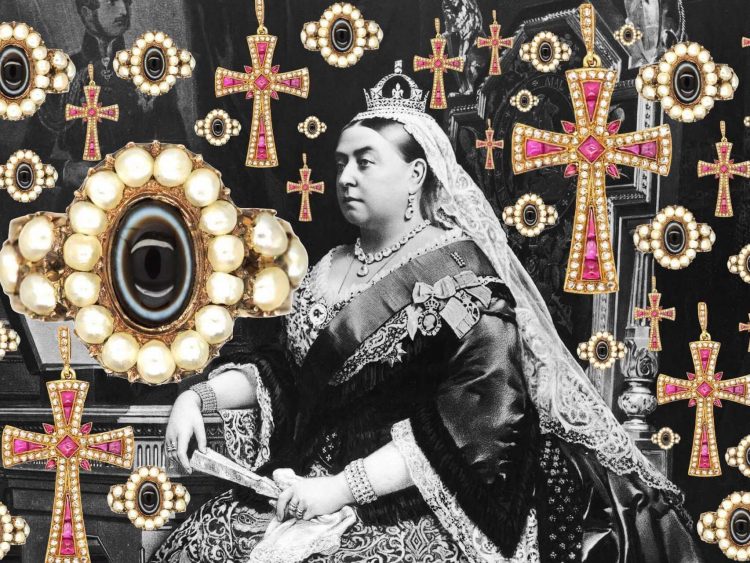
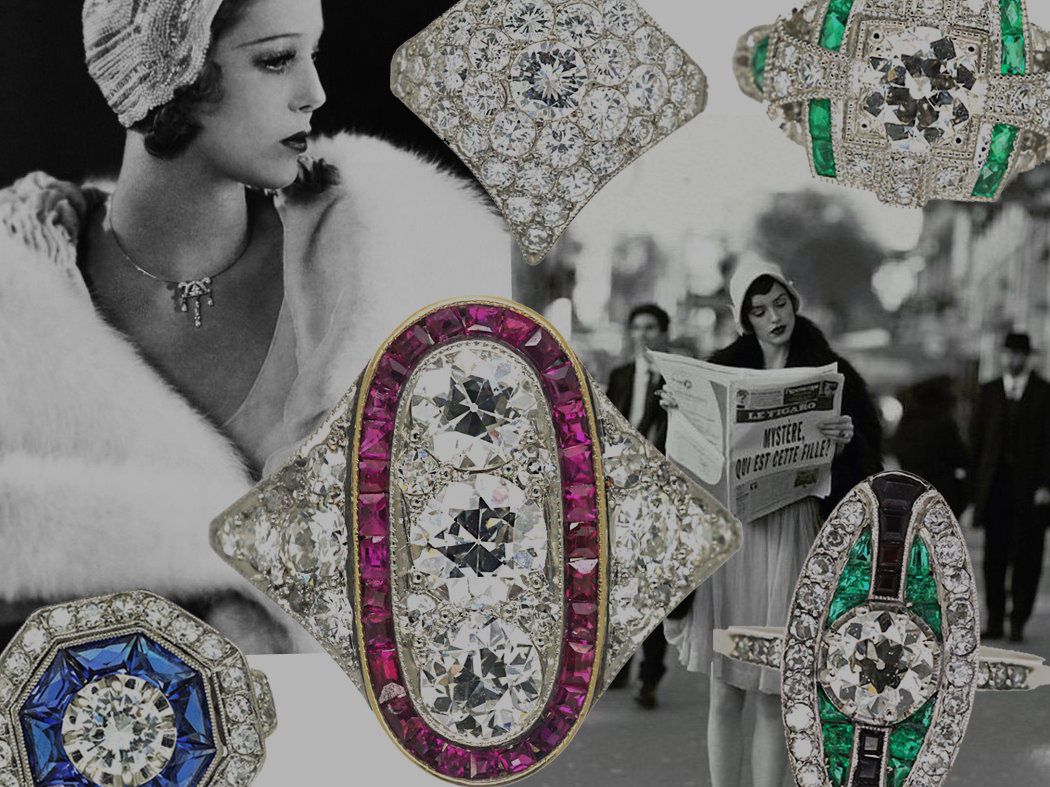
Antique rings were made by hand, often by small workshops of highly skilled craftsmen: the carving on a Victorian half hoop, the millegrain edges on an Edwardian platinum mount, the precision of an Art Deco setting. That level of handwork is extremely expensive to reproduce today.
4. Value
A new diamond ring loses a large part of its value the moment it leaves the shop, because the price includes the retailer’s margin and the cost of mining and manufacturing. A good antique ring has already been through that, and has usually been bought at a price that reflects its real market value. We would never describe jewellery as an investment, but antique pieces of quality do tend to hold their value well.
The greenest diamond is the one that’s already been mined. Ours were cut by hand a hundred or two hundred years ago, and they’ll outlast all of us.
Olly Gerrish, AJC Founder
5. The ethical questions
The Kimberley Process, introduced in 2003, was designed to stop conflict diamonds entering the market, but it covers only rough diamonds and only a narrow definition of conflict; it says little about working conditions or environmental damage. Tracing a new diamond from mine to ring remains difficult. An antique diamond sidesteps these questions entirely: nothing about buying it today creates demand for new mining.
6. A personal connection
An antique ring has already been loved by someone, and there is something moving about continuing that story. Many of our clients tell us it is the reason they chose antique in the first place.
Our view
If you care about where your diamond comes from, an antique diamond is the most honest answer there is: no new mining, no uncertain supply chain, and a stone of real character and craftsmanship. See our antique diamond engagement rings.