Diamond Engagement Rings
 Sapphire Engagement Rings
 Emerald Engagement Rings
 Ruby Engagement Rings
 Rings
Rings
 Earrings
 Necklaces
 Brooches
 Bracelets & Bangles
 Cufflinks
 Pendants
 Chains
 Tie Pins
 Lockets
 Charms
 Signet Rings
 Seals
Seals
 Curiosities
 UK / £
 USA / $
 AU / $


 Experts since 1975

-

Your Shopping Bag is empty

 Free Worldwide Delivery
 View All
 Diamond
 Sapphire
 Emerald
 Ruby
Ruby





Platinum in Antique Jewellery: A Guide
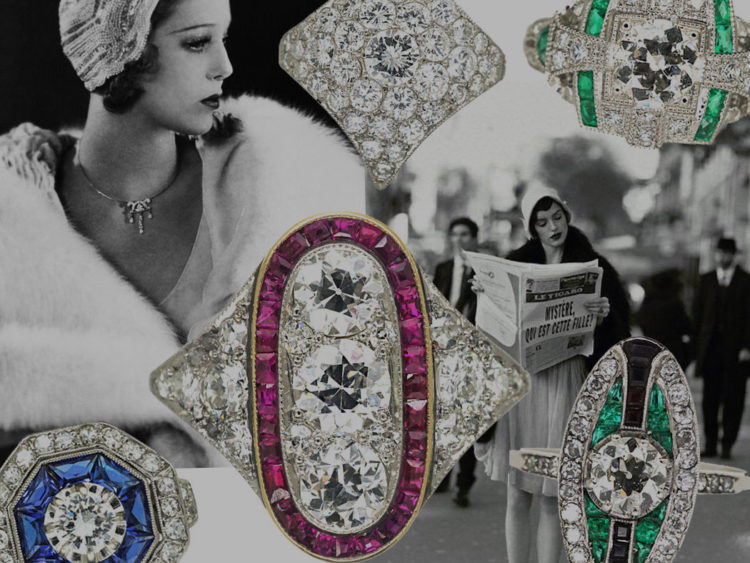
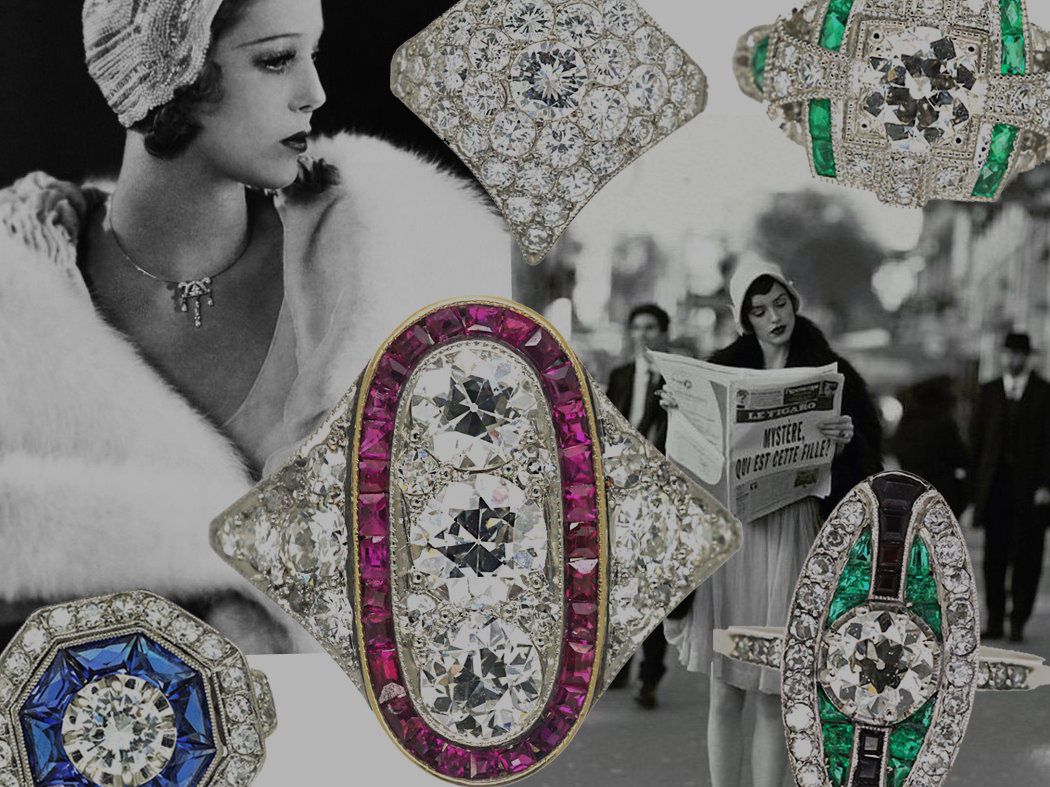
Platinum changed jewellery. When it arrived in fine jewellery around 1900, it made possible the delicate, lacy settings of the Edwardian period and the crisp geometry of Art Deco. Today it is still one of the finest metals for a ring, and in antique jewellery it tells you a great deal about when a piece was made.
What platinum is
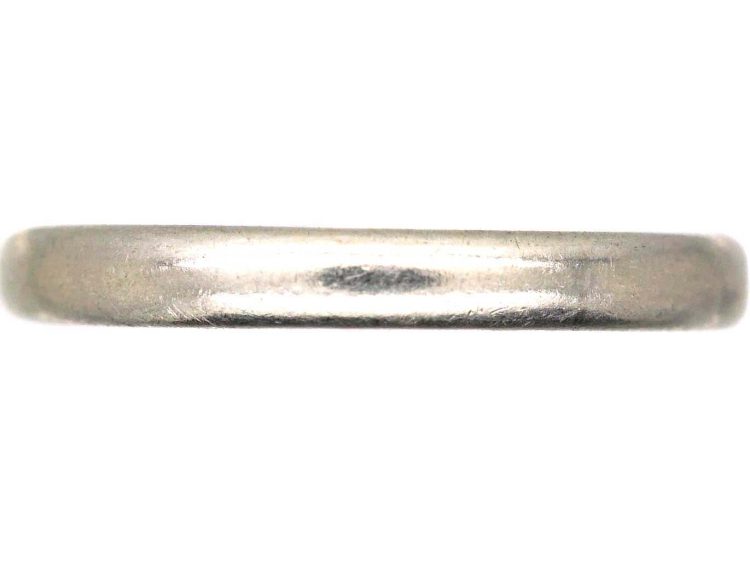
Platinum is a naturally white, very dense precious metal. Jewellery platinum is usually around 95% pure, far purer than most gold alloys, and it does not tarnish. It is also extremely strong, so a very small amount can hold a stone securely.
Platinum in antique jewellery
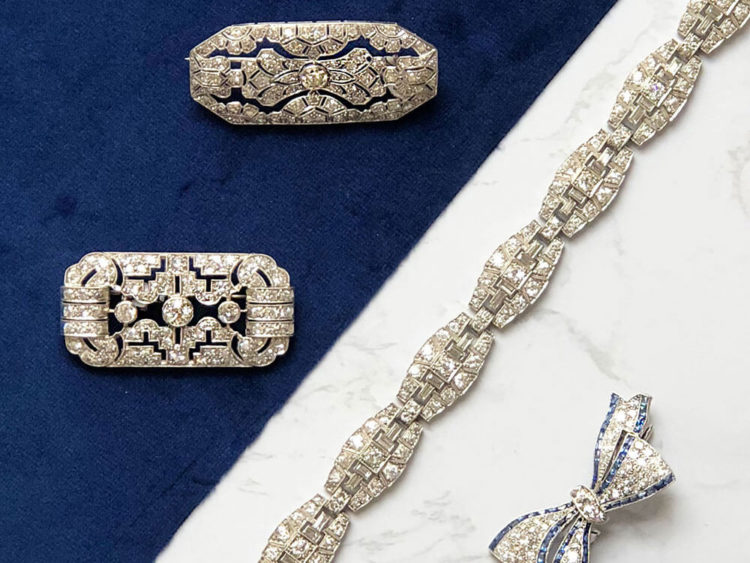
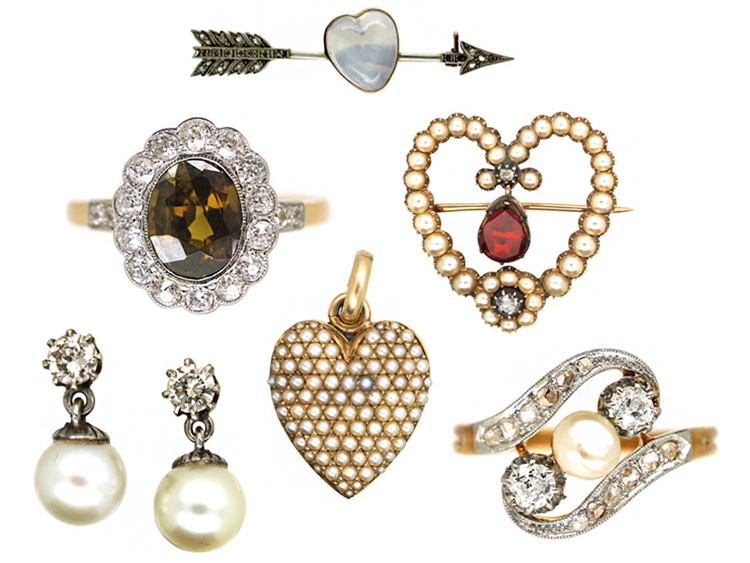
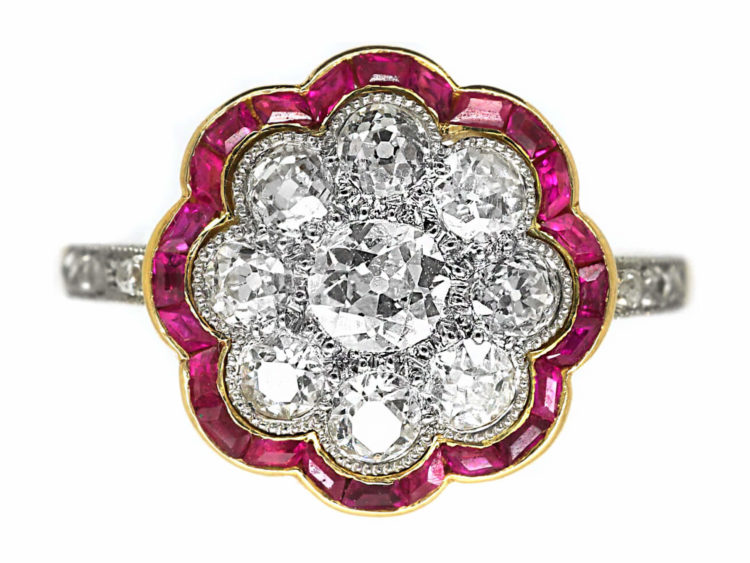
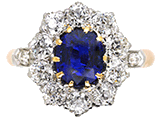
Before platinum, diamonds were usually set in silver, which tarnishes, backed with gold for strength. Late Victorian and Edwardian jewellers began to use platinum-topped gold, a platinum face on a gold back, and then platinum on its own. Its strength allowed them to make the fine claws, millegrain edges and openwork that define Edwardian jewellery, like this Edwardian sapphire and diamond cluster ring. Art Deco jewellers used it for their bold white designs. During the First World War platinum was reserved for military use in several countries, which helped white gold become popular as a substitute.
The pros and cons of platinum rings
In its favour: platinum is strong, hypoallergenic, naturally white and very durable. It holds stones securely and suits diamonds perfectly.
To bear in mind: it is heavier and more expensive than gold, and it develops a soft grey patina with wear, which some people love and others prefer to have polished.
Platinum is what made Edwardian jewellery possible. You can see the jeweller’s confidence in it: those tiny claws have held their diamonds for over a hundred years.
Olly Gerrish, AJC Founder
Platinum hallmarks
Platinum was only brought into the British hallmarking system in 1975, so antique platinum jewellery is often unmarked, or stamped “PLAT” or “PT” by the maker. Our guide to reading hallmarks explains more.
Caring for platinum
Clean platinum with warm soapy water and a soft brush. Scratches move the metal rather than removing it, and a jeweller can polish them away. Have the claws of a platinum ring checked every year or two.
Our view
For a diamond ring, Edwardian or Art Deco platinum is hard to beat: strong, white and made with extraordinary finesse. See our antique platinum engagement rings and platinum jewellery.