Diamond Engagement Rings
 Sapphire Engagement Rings
 Emerald Engagement Rings
 Ruby Engagement Rings
 Rings
Rings
 Earrings
 Necklaces
 Brooches
 Bracelets & Bangles
 Cufflinks
 Pendants
 Chains
 Tie Pins
 Lockets
 Charms
 Signet Rings
 Seals
Seals
 Curiosities
 UK / £
 USA / $
 AU / $


 Experts since 1975

-
Your Shopping Bag is empty

 Free Worldwide Delivery
 View All
 Diamond
 Sapphire
 Emerald
 Ruby
Ruby





Antique Pavé Settings: A Guide
Walking the path to that perfect antique piece? This guide to the pavé setting will help pave the way.
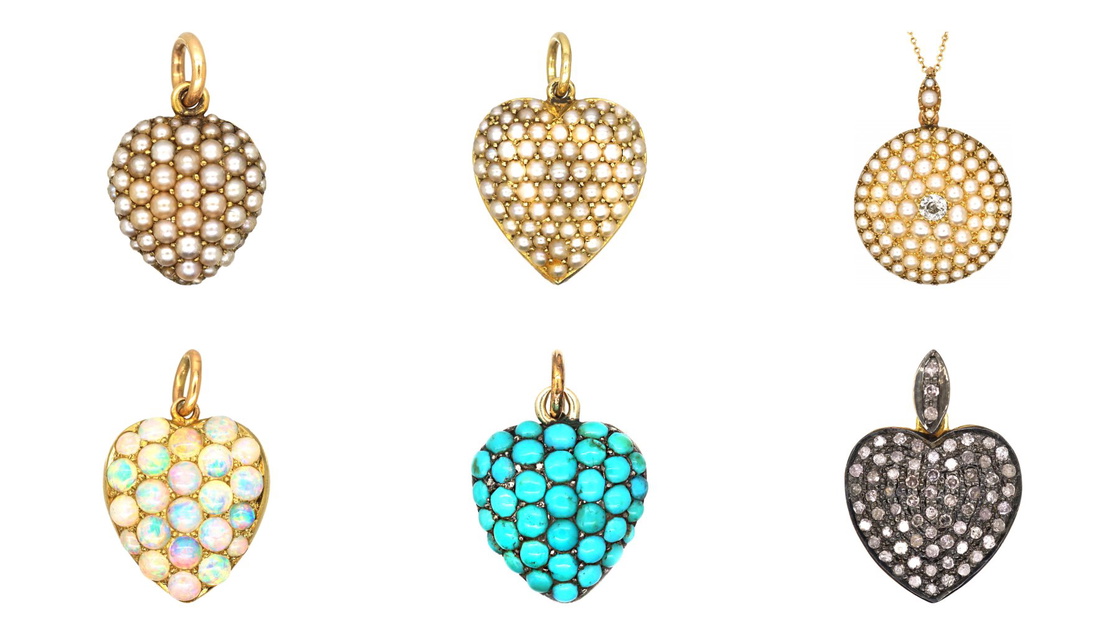
A pavé setting covers a surface with small stones set so closely that the metal almost disappears, like a street paved with cobbles. It is one of the most beautiful effects in jewellery, and antique pavé, whether in diamonds, turquoise or pearls, has a softness and charm that is hard to match.
What is a pavé setting?
The word is French for “paved”. In a pavé setting, small stones are set into holes drilled close together in the metal, and tiny beads of metal are raised from the surface to hold each one. Done well, the result is a continuous surface of stones, with the metal barely visible between them.
A brief history of pavé
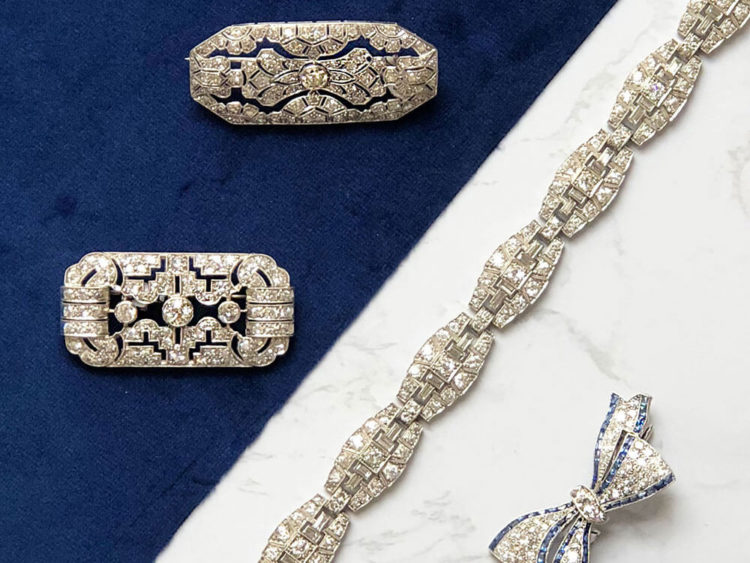
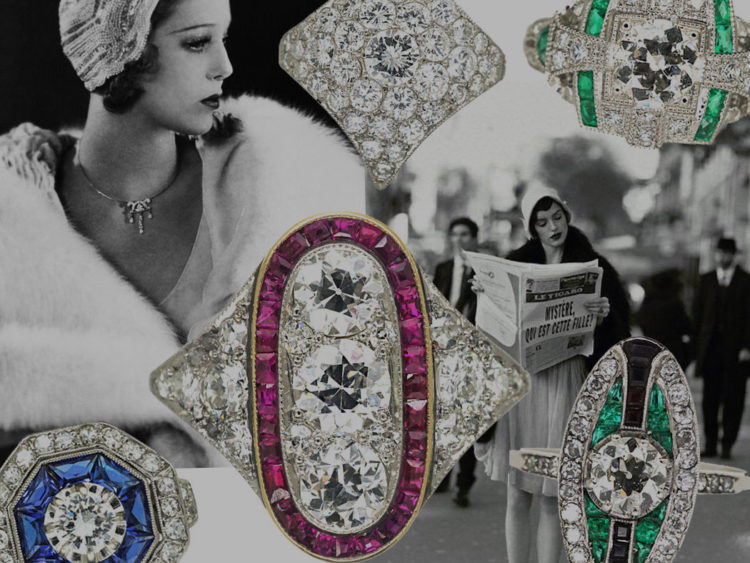
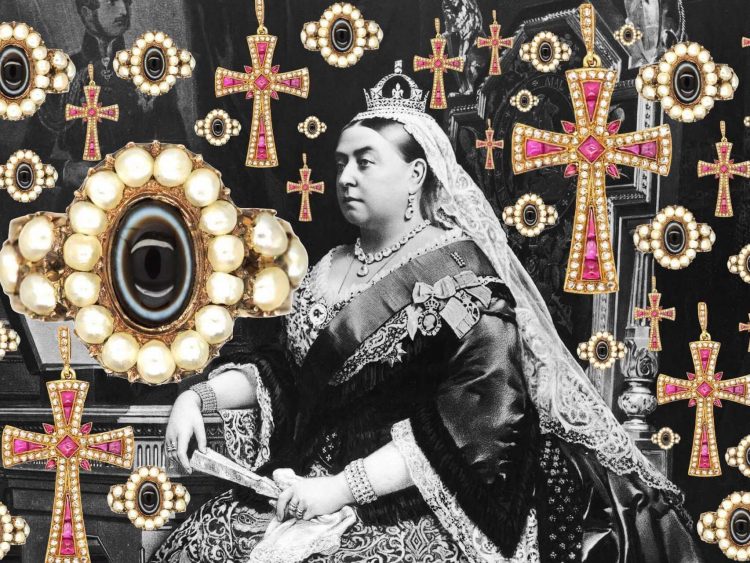
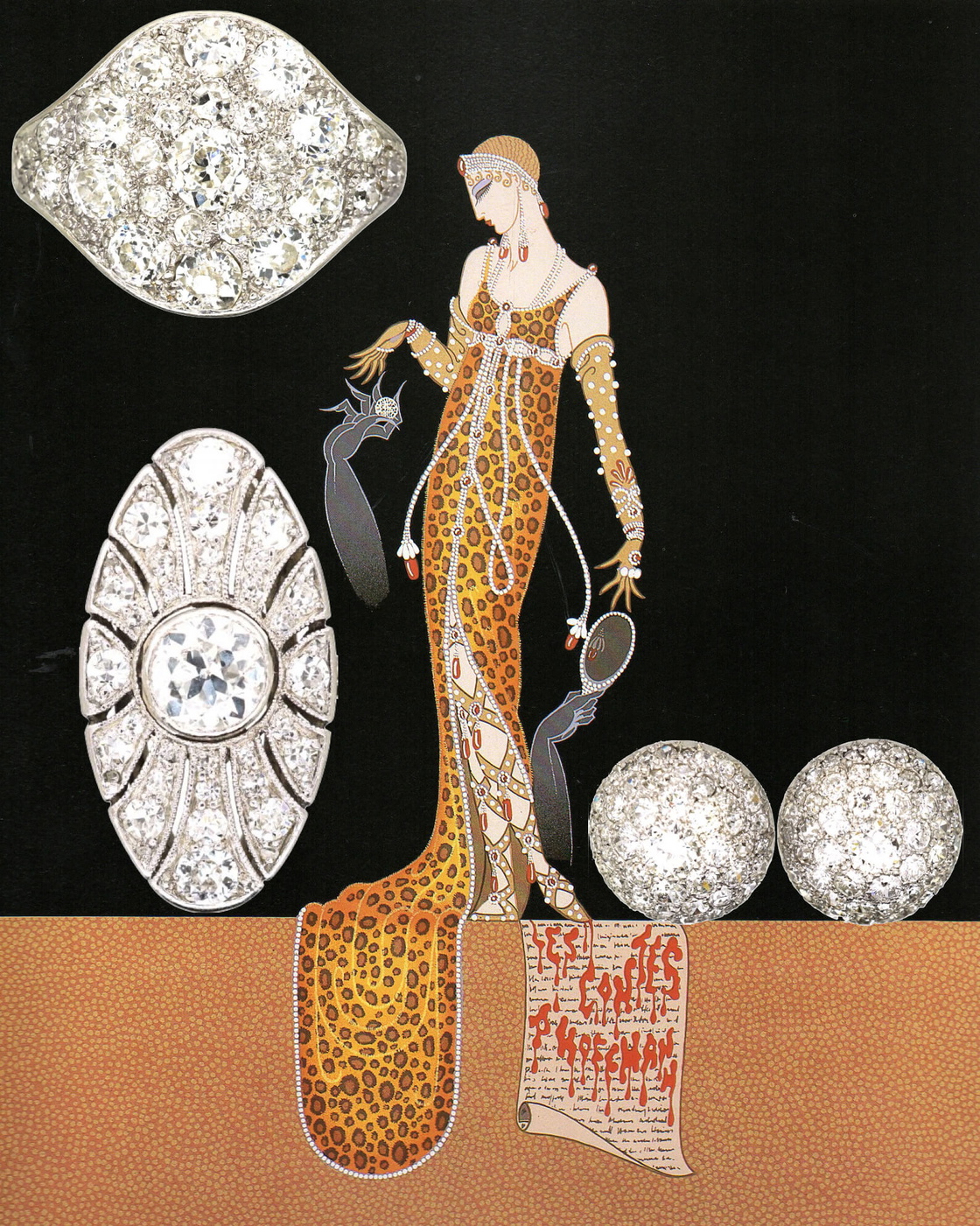
Pavé setting was developed by French jewellers in the eighteenth century, and it flourished in the nineteenth. Victorian jewellers loved pavé-set turquoise and natural pearls, in heart-shaped lockets, brooches and rings like this Victorian pavé turquoise and diamond ring. Edwardian and Art Deco jewellers used diamond pavé in platinum, which could hold small stones securely with very little metal, to create the white, glittering surfaces typical of the 1920s.
Shop antique pavé-set jewellery
-
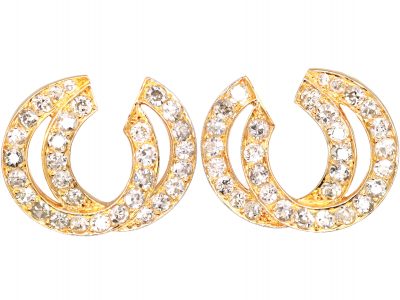 Art Deco 18ct Gold Double Hoop Earrings set with Diamonds
 -
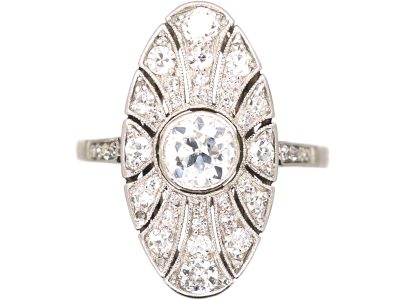 Early 20th Century Platinum & Diamond Navette Cluster Ring
 -
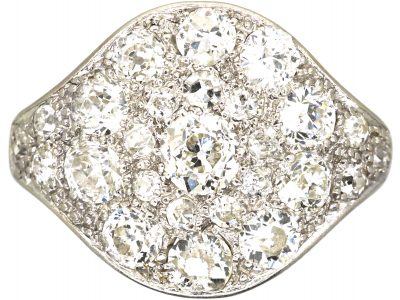 Art Deco Platinum, Pave Set Old Mine Cut Diamond Oval Cluster Ring
 -
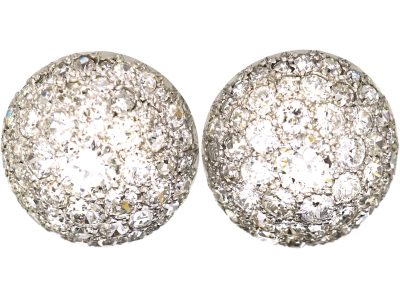 Art Deco Platinum & Diamond Pave Set Earrings
 -
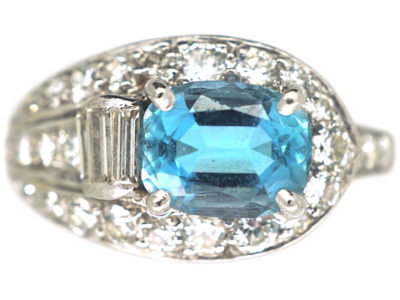 Art Deco Platinum, Aquamarine & Diamond Wrap Over Buckle Design Ring
 -
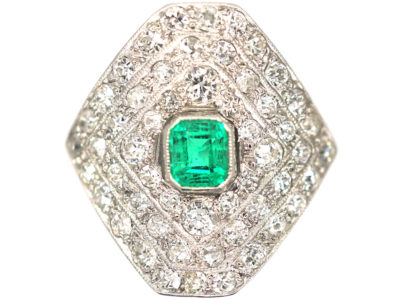 Art Deco Platinum Diamond Shaped Emerald & Diamond Ring
Types of pavé setting
Classic pavé. Round stones set in rows or following the shape of the piece, held by small beads of metal. This is the pavé of most antique jewellery.
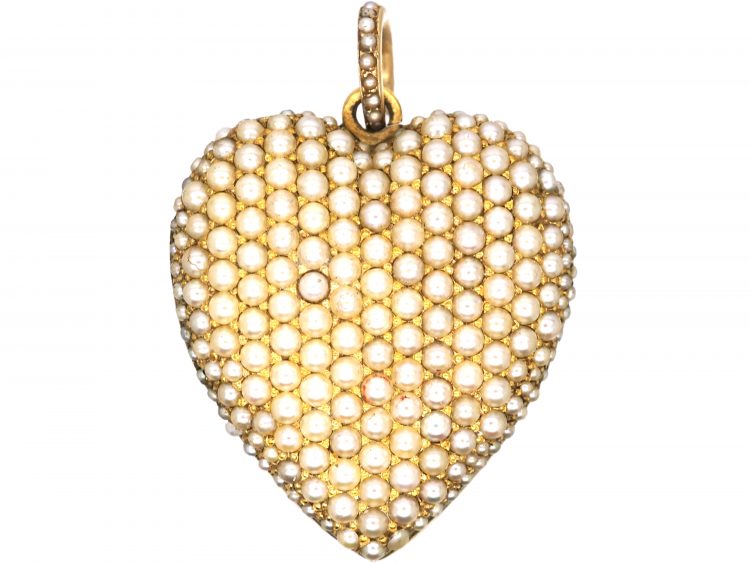
Micro-pavé. Very small stones set under magnification. It is largely a modern technique, made possible by modern tools, and you will rarely find it in genuinely antique pieces.
French pavé. A refinement in which the metal is cut away in small V-shapes beneath each stone, so more light reaches it. It is also mainly a modern term.
Cluster pavé. Small stones set closely around a centre stone or grouped into a raised dome, a style used in many Victorian and Edwardian cluster rings.
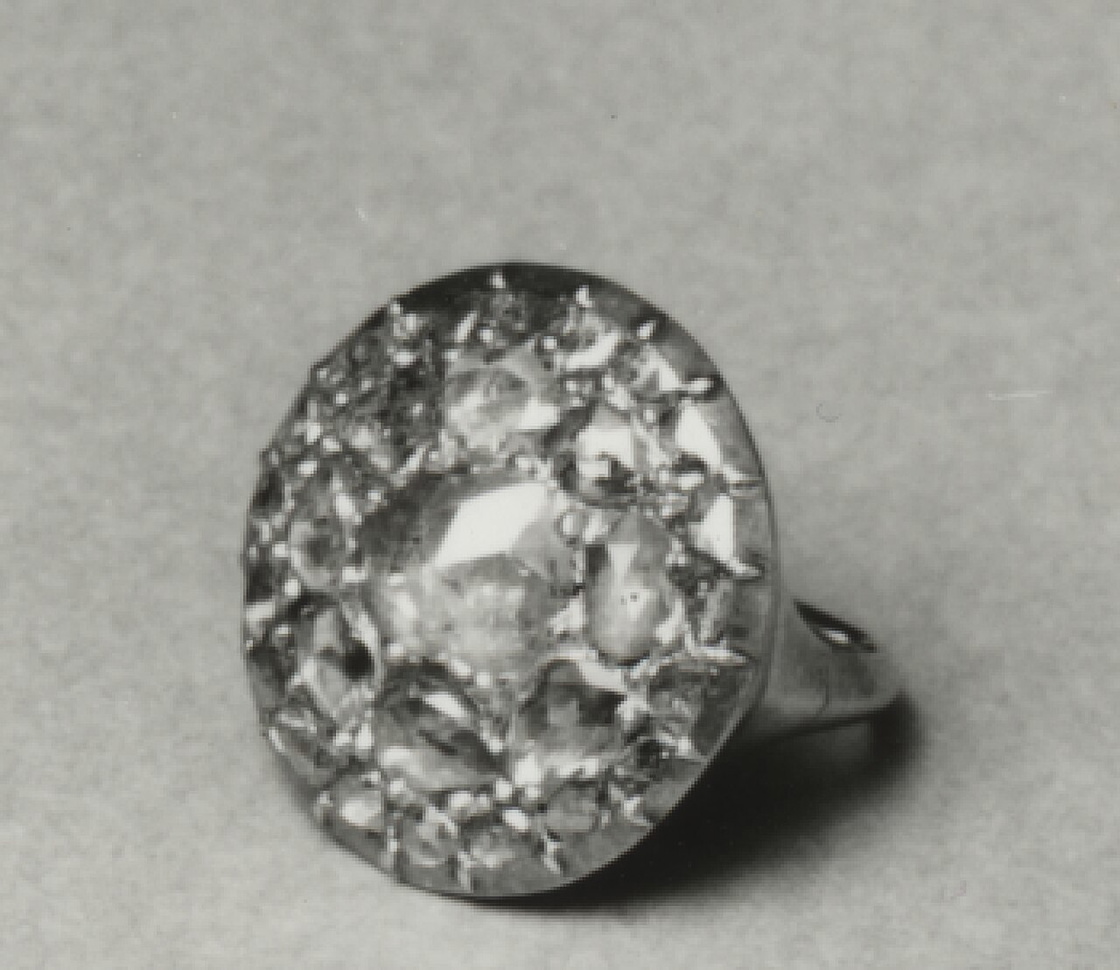
Victorian pavé turquoise is pure joy. The stones sit together like a little cobbled street of colour, and it’s one of the few things that looks even better with a bit of wear.
Olly Gerrish, AJC Founder
Why choose antique pavé?
Sparkle and colour. A pavé surface catches the light from every angle, whether it is set with diamonds or with coloured stones.
Versatility. Pavé works on everything from a small heart pendant to a bold Art Deco ring or brooch.
Elegance. Antique pavé has a softness that modern machine-made pavé often lacks.
Luxury. Pavé is time-consuming to set by hand, and a piece covered in finely set stones has an unmistakable richness.
What we look for
We check that every stone is present and secure, since small pavé stones can work loose over time, and that the setting beads are crisp rather than worn flat. With turquoise and pearl pavé, we look for original stones of good, even colour; replacements are common and should be well matched.
Our view
For us, antique pavé is at its most charming in Victorian and Edwardian heart lockets and pendants set with turquoise or pearls, and at its most glamorous in Art Deco diamond rings. Both are easy to wear and wonderfully characterful.
We’ve paved the way for you to understand pavé but why not visit our London showroom to see for yourself? Make an appointment with us and start you antique journey.