Diamond Engagement Rings
 Sapphire Engagement Rings
 Emerald Engagement Rings
 Ruby Engagement Rings
 Rings
Rings
 Earrings
 Necklaces
 Brooches
 Bracelets & Bangles
 Cufflinks
 Pendants
 Chains
 Tie Pins
 Lockets
 Charms
 Signet Rings
 Seals
Seals
 Curiosities
 USA / $
 AU / $

-

Your Shopping Bag is empty
 View All
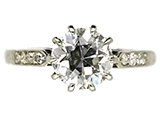 Diamond
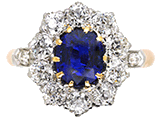 Sapphire
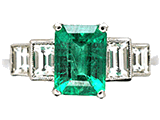 Emerald
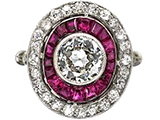 Ruby
Ruby







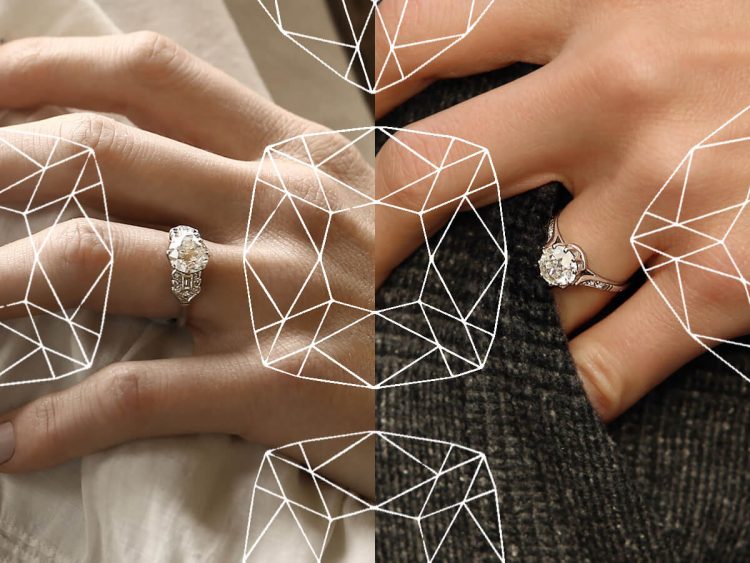
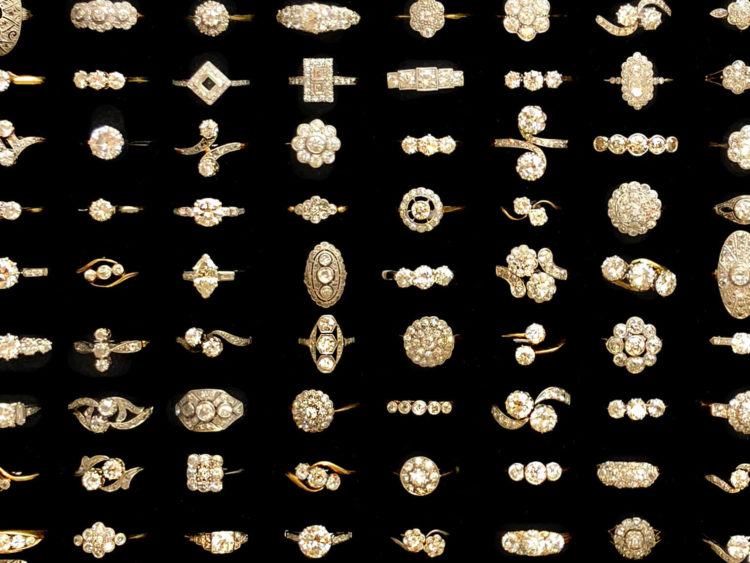


The Responsible Choice
Buying antique jewellery is both ethical and eco-friendly as harmful and destructive mining processes are not needed to make an item yours.
Find Out More Latest Finds
What's Hot
Expert Picks
The Archive
Sale
Eras
Collections
Contact
Book Appointment
Join VIP
Latest Finds
What's Hot
Expert Picks
The Archive
Sale
Eras
Collections
Contact
Book Appointment
Join VIP
 Experts since 1975Read Our Story
 UK / £


 0
0
Your Shopping Bag is empty

 Free Worldwide Delivery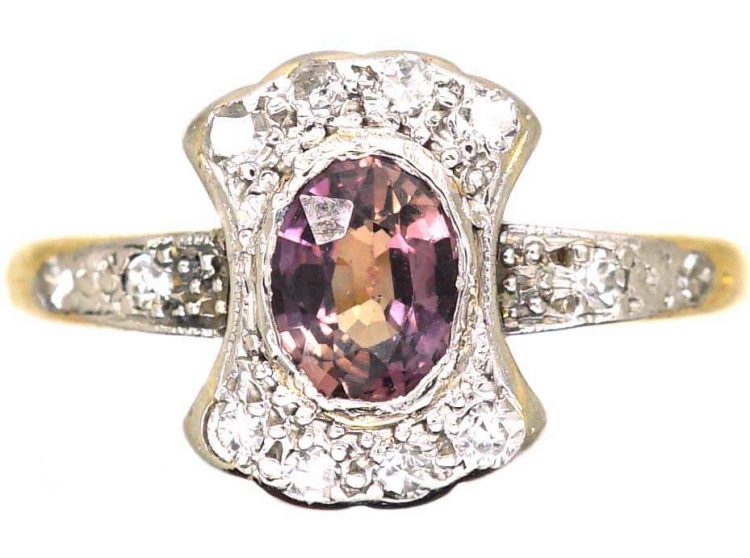
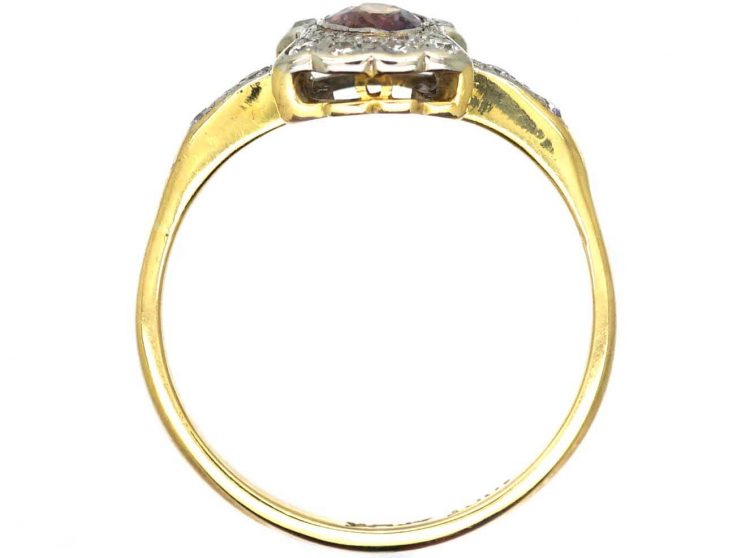
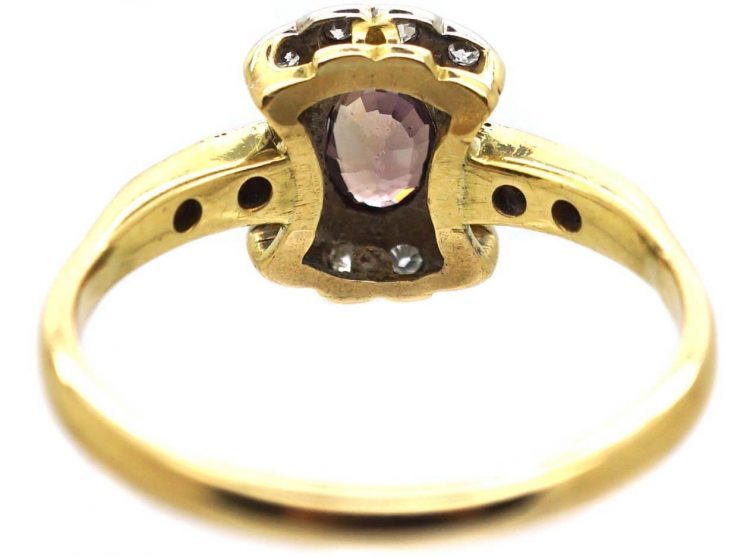
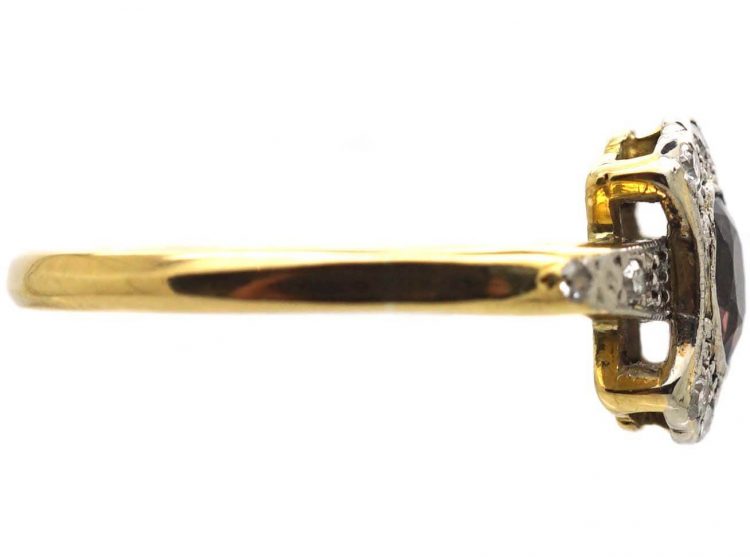
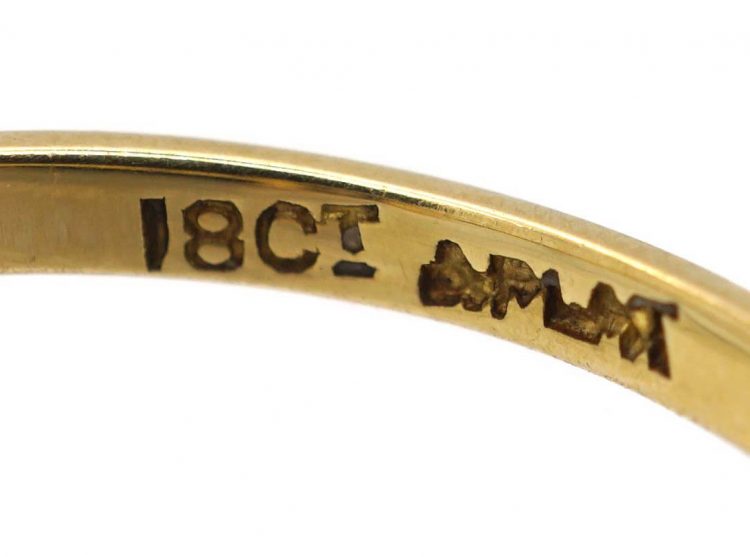
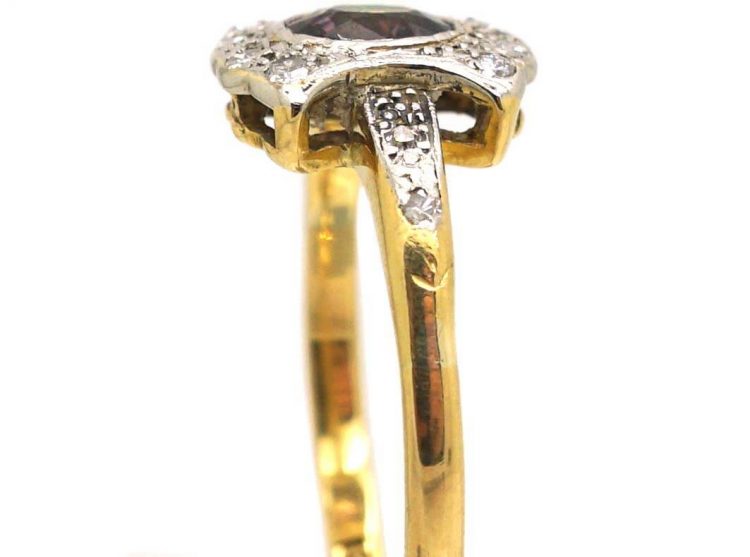
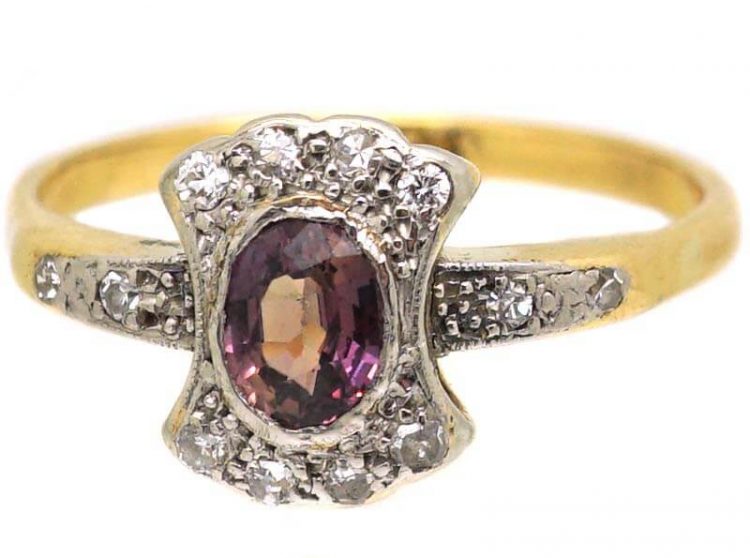
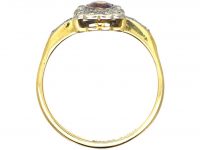
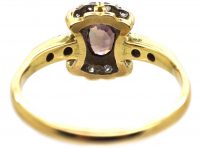
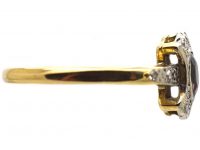
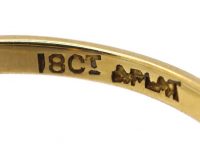
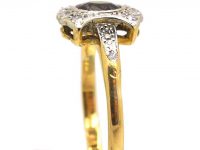
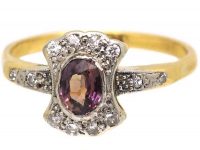


AlexandriteA variety of the mineral, chrysoberyl, discovered in Russia's Ural Mountains in 1830, and named in honour of the reigning tsar, Alexander II (1818-1881). Because of its distinct colour-change from green when viewed in daylight to red under incandescent light, it is often referred to as the 'emerald by day and ruby by night'. More is the very rare colour change variety of the mineral chrysoberylA hard stone that ranges in colour from yellow, to brown, to green. Alexandrite and Cat’s Eye are both notable types of Chrysoberyl. More. It was originally discovered in the Ural mountains in Russia in the 1830s. In this ring the collet set alexandrite is a lively stone exhibiting browny pink and green tones. It has small diamonds above and below with further diamonds in the shouldersThe point on a ring where the central section meets the shank or band, often carved, decorated or inlaid with small diamond accent stones. More in platinumDerives from the Spanish word 'platina' meaning 'little silver'. Acknowledged since the 1900s, platinum's durability and natural brightness has been and still is today highly treasured A metallic element prized for its rarity, whiteness, high tensile strength and insusceptibility to corrosion, platinum first became widely used in jewellery in the late ninete... More settings. It sits low on the finger and curves around the finger nicely. It would make a lovely and unusual engagement ring
The Details
So rare to find an alexandrite!
Buying antique jewellery is both ethical and eco-friendly as harmful and destructive mining processes are not needed to make an item yours.
Find Out More

We always stand by our five core principles: Quality, Rarity, Expertise, Peace of Mind and Personal Touch
Find Out More
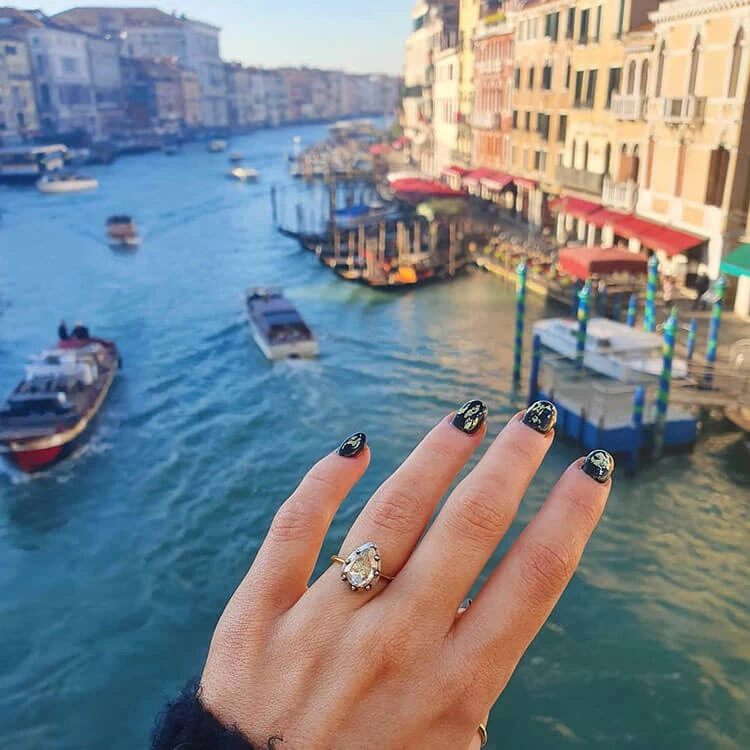






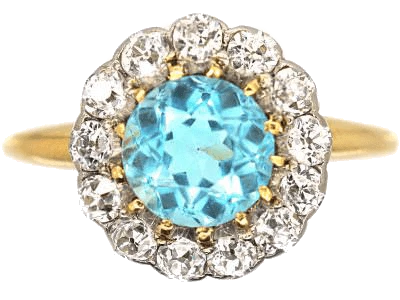
Best antique jewellers in London. So helpful, honest and friendly. And have amazing stock!
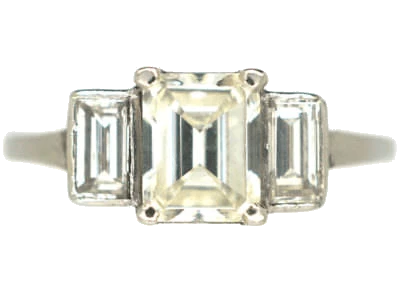
Buying an engagement ring isn't an easy experience but the team not only made the process pain free, they also helped me pick the perfect ring. Friendly, knowledgeable and with a great selection of antique rings. Would highly recommend
Excellent service and managed to supply exactly the ring I was looking for after weeks of search elsewhere.
Highly recommend. So excited to give this engagement ring a new divfe to divve
Excellent experience from start to finish, I didn't have a clue what I was doing when looking at engagement rings but was very happy with my purchase. And it seemed to do the trick as she happily said yes :)
The engagement ring we bought from the AJC was perfect, and the service provided was very friendly and attentive. I haven't got anything bad to say!
Service was unbeatable - worked to an extremely tight time scale and dedivvered without a hitch. The ring is perfect and I'm proud to see it on the hand of my fiancé. You guys have made us both very happy!
Can't say enough about the amazing service we received. They have the most exquisite selection of jewellery and really take the time to help you decide. I would strongly recommend a visit.
Olly was so lovely and helpful, which is exactly what you need when you're buying an engagement ring.