Diamond Engagement Rings
 Sapphire Engagement Rings
 Emerald Engagement Rings
 Ruby Engagement Rings
 Rings
Rings
 Earrings
 Necklaces
 Brooches
 Bracelets & Bangles
 Cufflinks
 Pendants
 Chains
 Tie Pins
 Lockets
 Charms
 Signet Rings
 Seals
Seals
 Curiosities
 UK / £
 USA / $
-
Your Shopping Bag is empty
 View All
 Diamond Rings
 Sapphire Rings
 Emerald Rings
 Ruby Rings






 WhatsApp




Want a Closer Look?
Book a virtual appointment with one of our resident jewellery experts, here in London.
Book Your Virtual Consultation Latest Finds
Most Popular
Expert Picks
The Archive
Sale
Eras
Collections
Contact
Book A Consultation
Join VIP
Latest Finds
Most Popular
Expert Picks
The Archive
Sale
Eras
Collections
Contact
Book A Consultation
Join VIP
 Experts since 1975Read Our Story
 AU / $


 0
0
Your Shopping Bag is empty

 Free Australia Shipping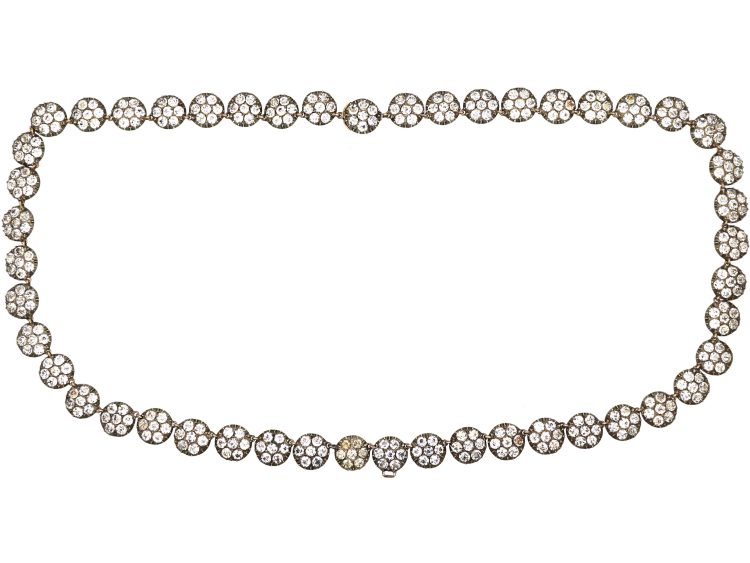
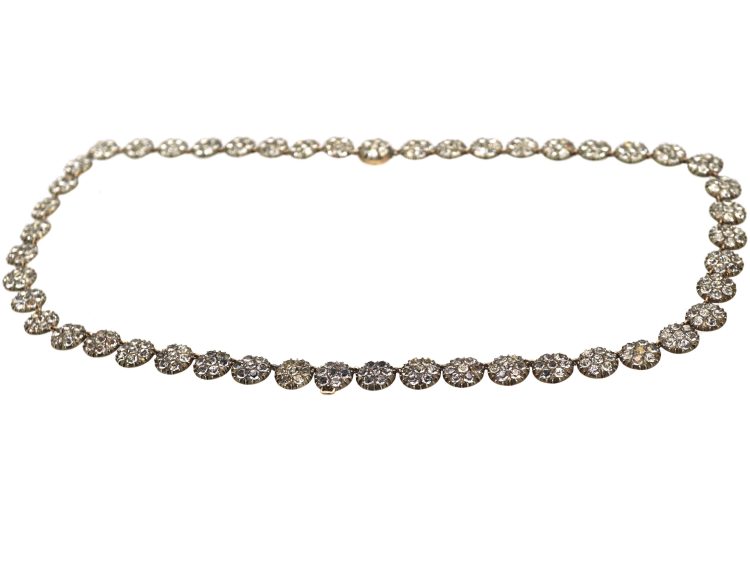
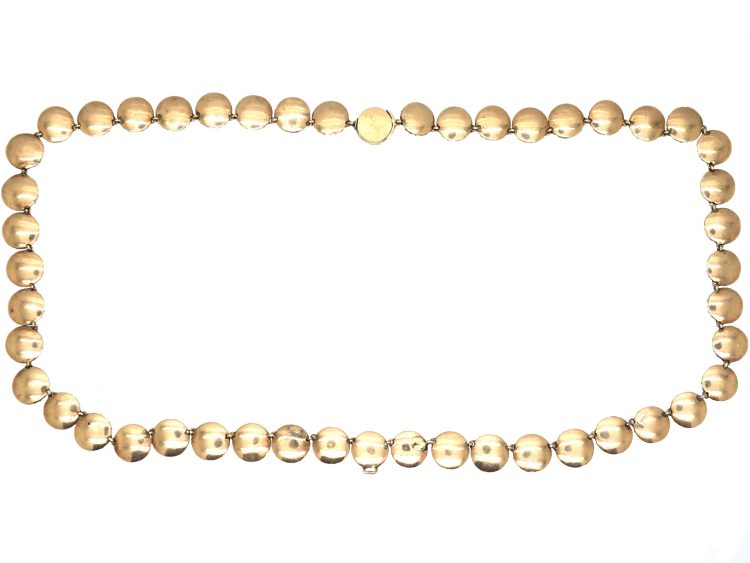

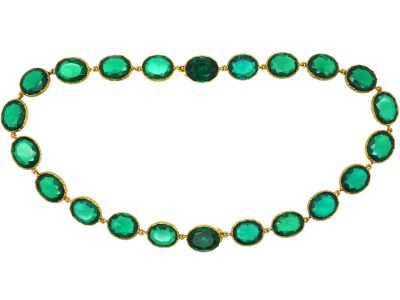
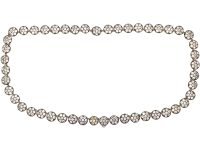
A very pretty GeorgianJewellery made in the Georgian era (1714-1830). More riviere that was made circa 1820. It is composed of a continuous chain of small flowers set with pasteGlass made to resemble gem materials, which may be moulded, faceted, carved, etc. More. It is. silverA metallic element which is malleable and ductile, and white in colour, making it ideal for use in jewellery. It is usually mixed with copper to improve its hardness.
More with 9ct37.5% pure gold (or 375 parts pure gold and 625 parts other metals) More gold to the reverse and the clasp. Georgian paste jewellery refers to high-lead-content glass stones that were hand-cut and polished to mimic the brilliance of diamonds and other precious gemstones during the Georgian era (1714–1837). Far from being seen as “cheap fakes,” paste was a highly skilled art form prized by the aristocracy and even royalty for its exceptional sparkle under candlelight. The lead content gave the paste a denser structure and higher refractive index than standard glass, allowing it to shimmer similarly to a diamondA precious, lustrous gemstone made of highly compressed carbon. Diamonds are one of the hardest materials known to mankind. Colours of diamonds range from colourless, yellow, orange and brown to almost black. Natural coloured (or ‘fancy’) diamonds can be extremely rare. The cut, colour, clarity and carat weight of a diamond are the criteria jewellers use... More. Stones were typically set in silver or gold with a thin layer of metallic foilA thin metal foil placed behind a gemstone within a closed-back setting to improve its appearance. Metallic foil improves the reflectivity of certain gemstones, whilst coloured foils act as colouring agents when placed behind colourless materials, such as paste and rock crystal. The practice of foil-backing gemstones can be traced back to Minoan times (circa... More behind them to reflect light and intensify colour.
This riviere looks wonderful when worn. It has a hidden tongue clasp and a small gold mount in the centre that a paste pendant may have been attached to.
The Details
A rare and beautiful paste riviere.
We are pleased to offer FREE SHIPPING on all purchases to our customers in Australia.
All orders are fully insured and dispatched securely from London by our trusted partner, DHL Express Worldwide.

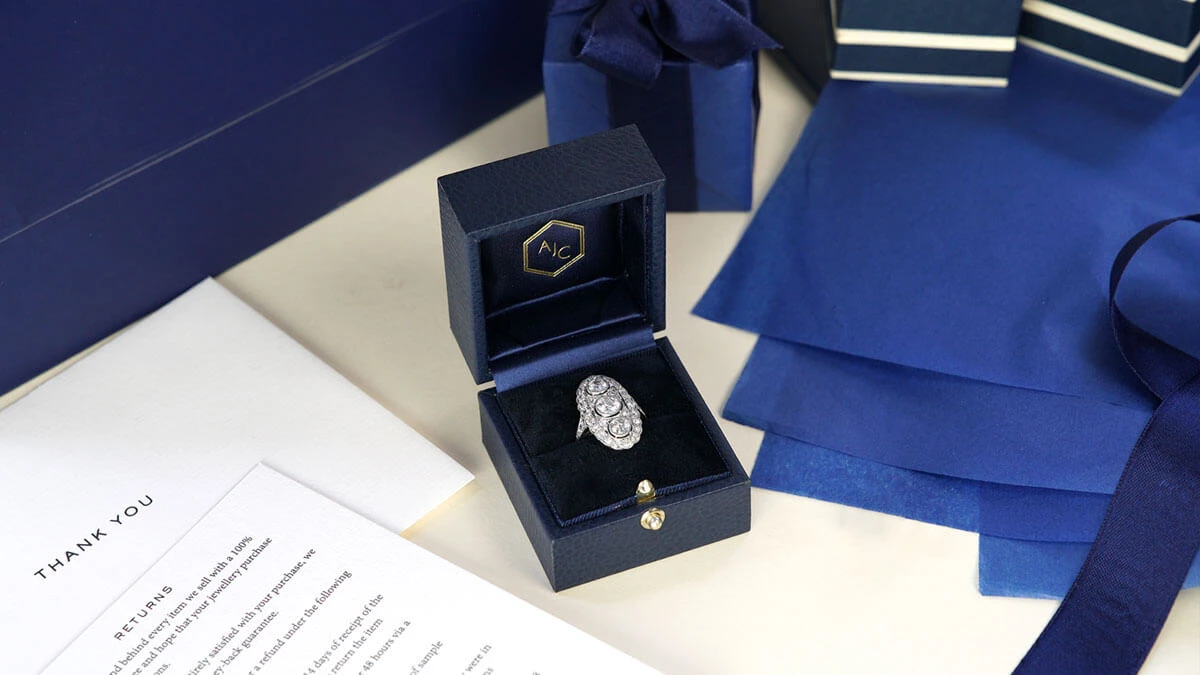
We are pleased to offer a 30 day, full money-back guarantee on all purchases.
Customers from Australia will pay for return postage and any customs, taxes and duties applied.
We calculate and pre-pay all customs, taxes, and duties (DDP) at checkout so your order arrives hassle-free.
The following fees may apply to your order:
A broad-based 10% consumption tax levied on most goods, services and imports, collected at each stage of production with input-tax credits to avoid “tax-on-tax.” It replaced the wholesale sales tax in July 2000.
A government-imposed fee levied by the Australian Border Force to cover the cost of processing your import declaration, charged per declaration and tiered by consignment value and lodgement method.
A government fee applied by the Australian Border Force to cover the cost of processing your import declaration, with the amount varying by consignment value, lodgement type (electronic vs documentary) and cargo channel (sea/air/post).
DHL fronts duties & taxes to expedite clearance, then adds a small handling fee.
Book a virtual appointment with one of our resident jewellery experts, here in London.
Book Your Virtual Consultation
Buying antique jewellery is both ethical and eco-friendly as harmful and destructive mining processes are not needed to make an item yours.
Find Out More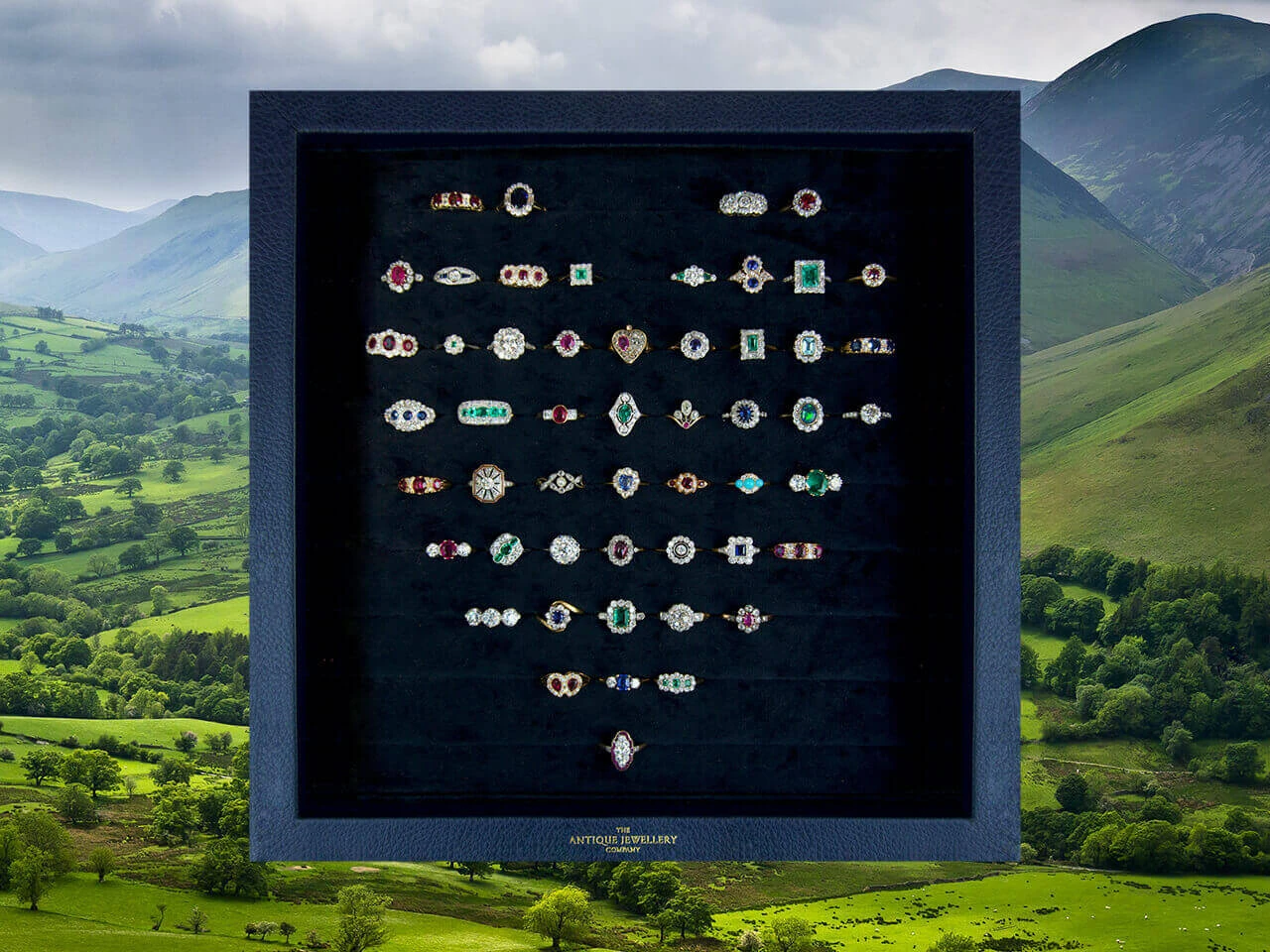

We always stand by our five core principles:
Quality, Rarity, Expertise, Peace of Mind and Personal Touch








 Australia Duties & Taxes