Diamond Engagement Rings
 Sapphire Engagement Rings
 Emerald Engagement Rings
 Ruby Engagement Rings
 Rings
Rings
 Earrings
 Necklaces
 Brooches
 Bracelets & Bangles
 Cufflinks
 Pendants
 Chains
 Tie Pins
 Lockets
 Charms
 Signet Rings
 Seals
Seals
 Curiosities
 UK / £
 USA / $
-
Your Shopping Bag is empty
 View All
 Diamond Rings
 Sapphire Rings
 Emerald Rings
 Ruby Rings



The Responsible Choice
Buying antique jewellery is both ethical and eco-friendly as harmful and destructive mining processes are not needed to make an item yours.
Find Out More Latest Finds
Most Popular
Expert Picks
The Archive
Sale
Eras
Collections
Contact
Book A Consultation
Join VIP
Latest Finds
Most Popular
Expert Picks
The Archive
Sale
Eras
Collections
Contact
Book A Consultation
Join VIP
 Experts since 1975Read Our Story
 AU / $


 0
0
Your Shopping Bag is empty

 Free Australia Shipping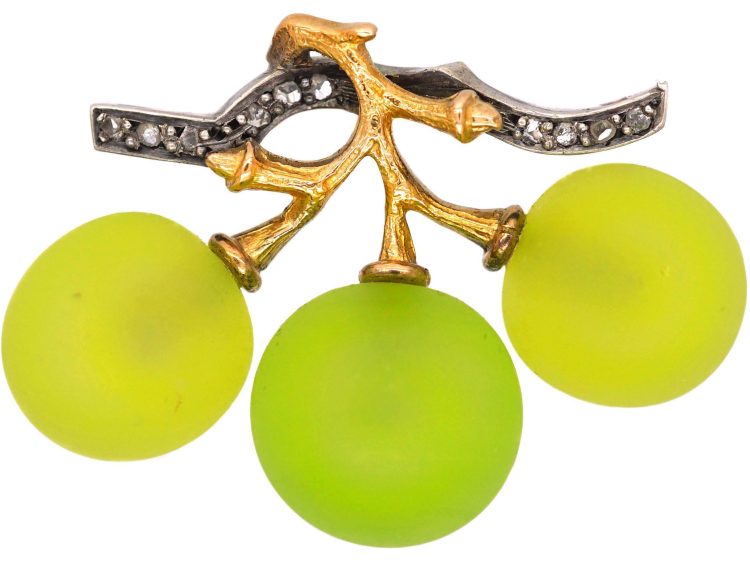

A gold, silverA metallic element which is malleable and ductile, and white in colour, making it ideal for use in jewellery. It is usually mixed with copper to improve its hardness.
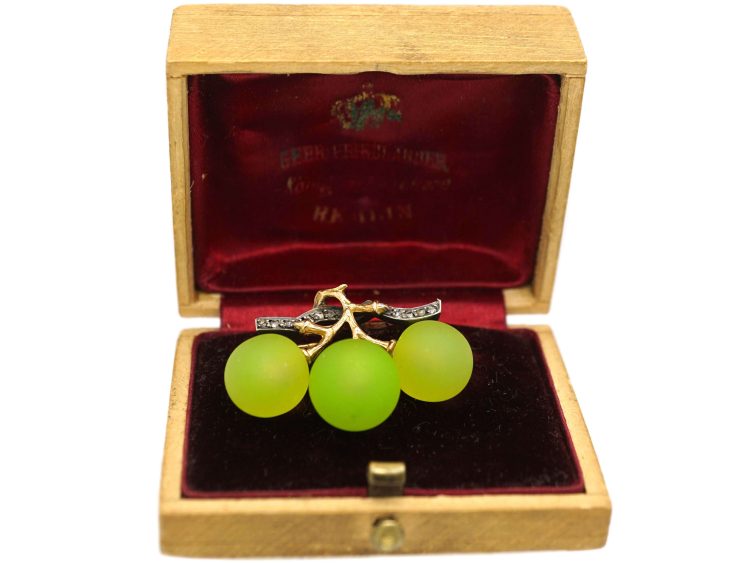
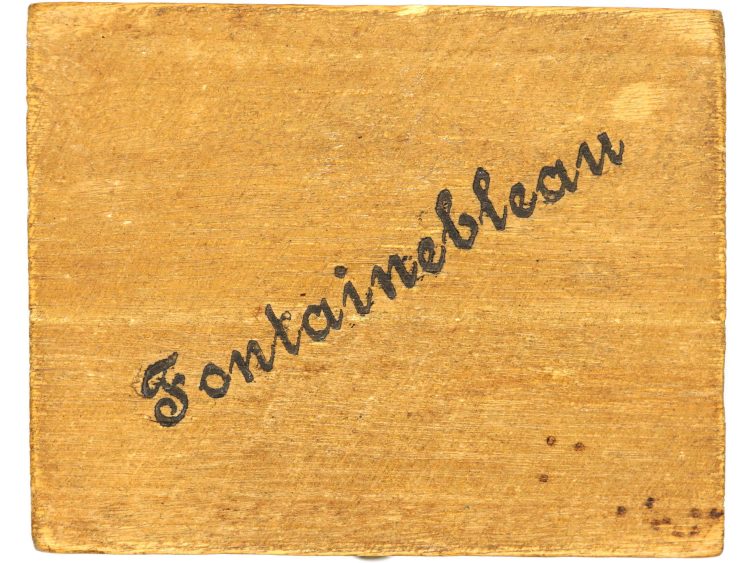
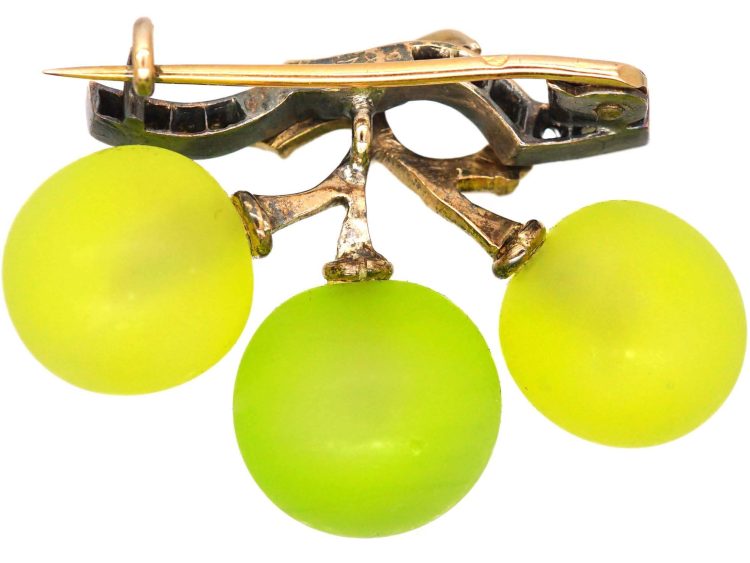
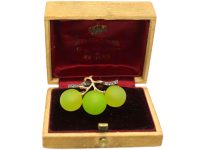
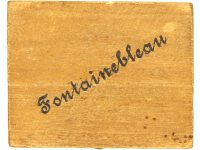
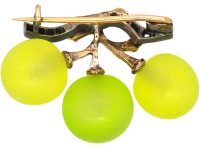
More, rose diamondA precious, lustrous gemstone made of highly compressed carbon. Diamonds are one of the hardest materials known to mankind. Colours of diamonds range from colourless, yellow, orange and brown to almost black. Natural coloured (or ‘fancy’) diamonds can be extremely rare. The cut, colour, clarity and carat weight of a diamond are the criteria jewellers use... More and pâte de verre frosted glass brooch, made in France circa 1889 by Maison Fonsèque and Olive. Designed in the form of grapes, a symbol of hospitality and wellbeing, it was a highly popular design produced in gold and silver, sometimes featuring a fitted miniature wine case as in this example
In 1885, Émile Olive left the Parisian goldsmith and jeweller Lucien Falize and subsequently went into partnership with the jeweller M. Fonsèque. He created ingenious and charming designs such as this grape brooch in 1889. So popular were these designs that they ultimately contributed to the firm’s success
Further references:
Translated by Katharine Purcell, French Jewelry of the Nineteenth Century by Henri Vever, London, 2001, p. 904 and 1024, for illustrations of brooches of similar design, dated 1889
A similar example may also be seen in the Victoria & Albert Museum, London, accession number M.88-2007
The Details
A rare collector’s brooch
Buying antique jewellery is both ethical and eco-friendly as harmful and destructive mining processes are not needed to make an item yours.
Find Out More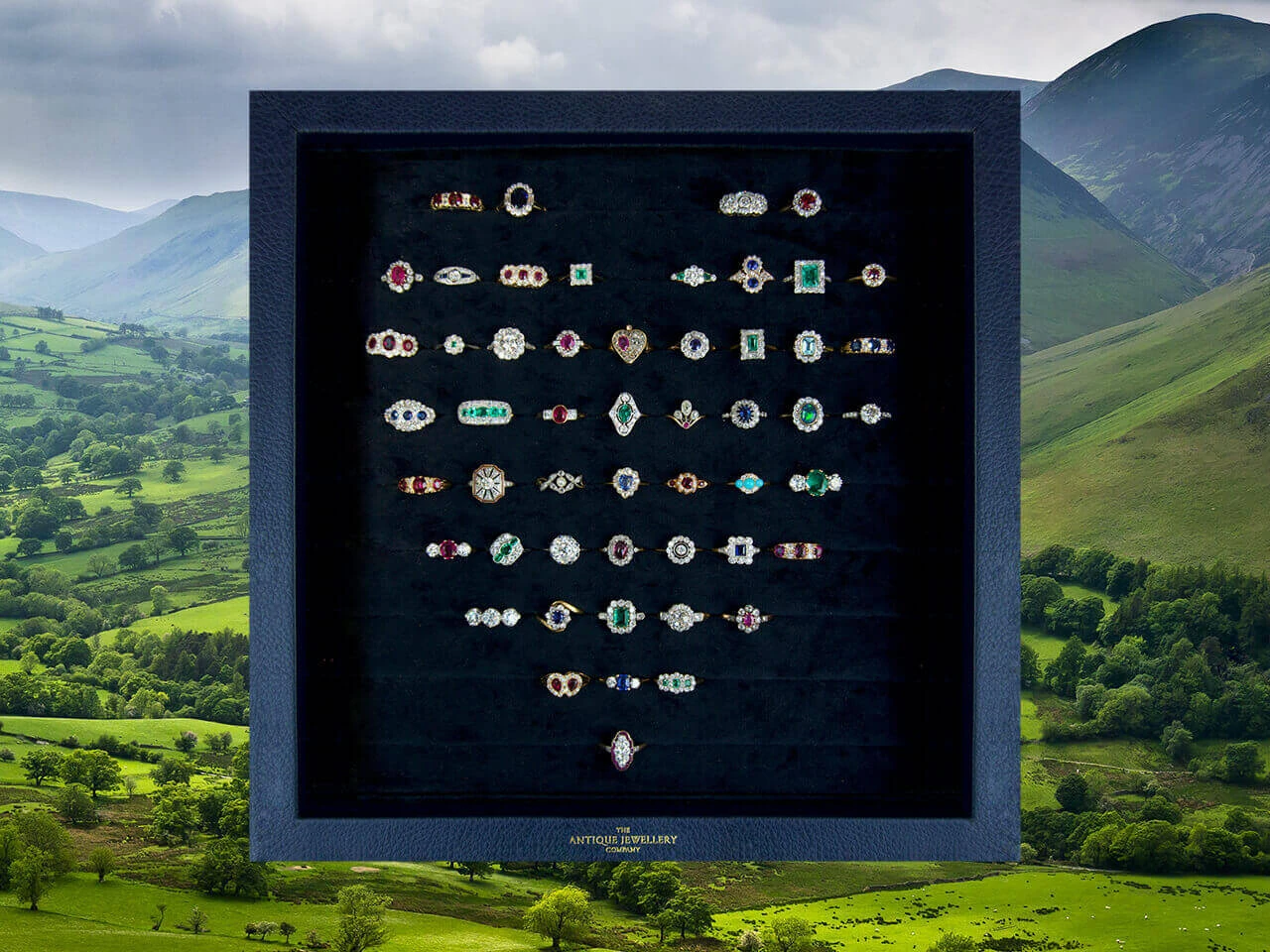
We always stand by our five core principles:
Quality, Rarity, Expertise, Peace of Mind and Personal Touch